
"I took two years of Spanish and I can't remember a thing. I'm just bad at languages."
If you grew up in the US, the UK, Canada or Australia, there's a decent chance you've said some version of that sentence. Maybe it was French instead of Spanish. Maybe you dropped it the very first semester you were allowed to.
A post on r/languagelearning asked exactly this: why do high school language classes kill the joy, and why does that bad taste make it so hard to start again? The poster quit Spanish as soon as they could, then started Chinese in college because they needed the credit, and found they actually enjoyed it. Same person. Same brain. Totally different feeling.
So what changed?
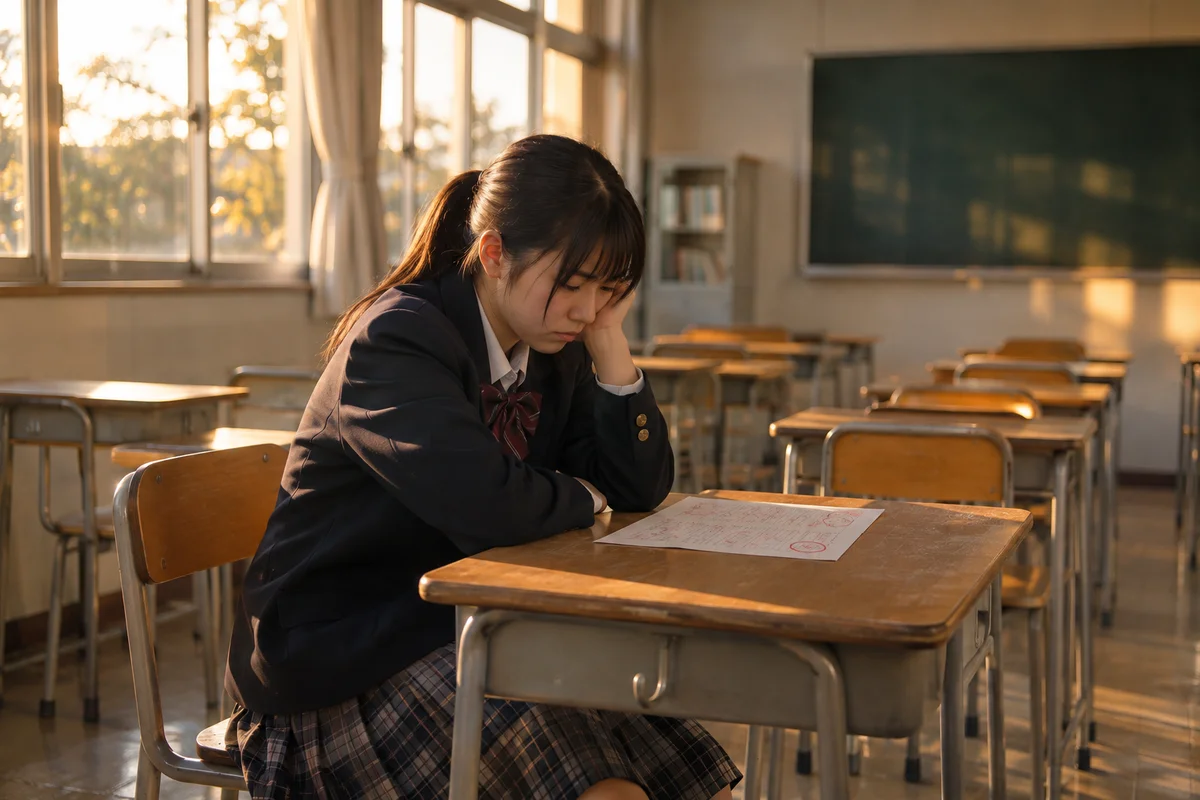
Think back to what a typical week of class looked like. Vocab quiz on Friday. Conjugation charts. Lose a point for the wrong accent mark. A "conversation" that was really two students reading a scripted dialogue about where the library is.
I don't remember mine fondly either. Looking back, what we were practicing wasn't talking to people in Spanish. It was a game of not getting marked wrong.
A language is supposed to be a tool for telling someone something. But in that classroom there was nobody you actually wanted to talk to, and nothing you actually wanted to say. Just right answers, wrong answers and a grade.
Of course it wasn't fun. It's the difference between listening to a song you love and taking a written exam on its sheet music.
The tricky part is that the feeling outlasts the class by decades.
You see a Spanish menu or hear French on a train, and something kicks in: "I'll get it wrong." "I'm not a language person." That isn't a measure of your ability. It's a bundle of memories and feelings that got trained in over years of being graded.
That's why so many restarts collapse in the first week. You decide to give it another go, and the first thing you open looks like a textbook. Instantly you're back in third period. Desk, bell, red pen. You close the app and that's that.
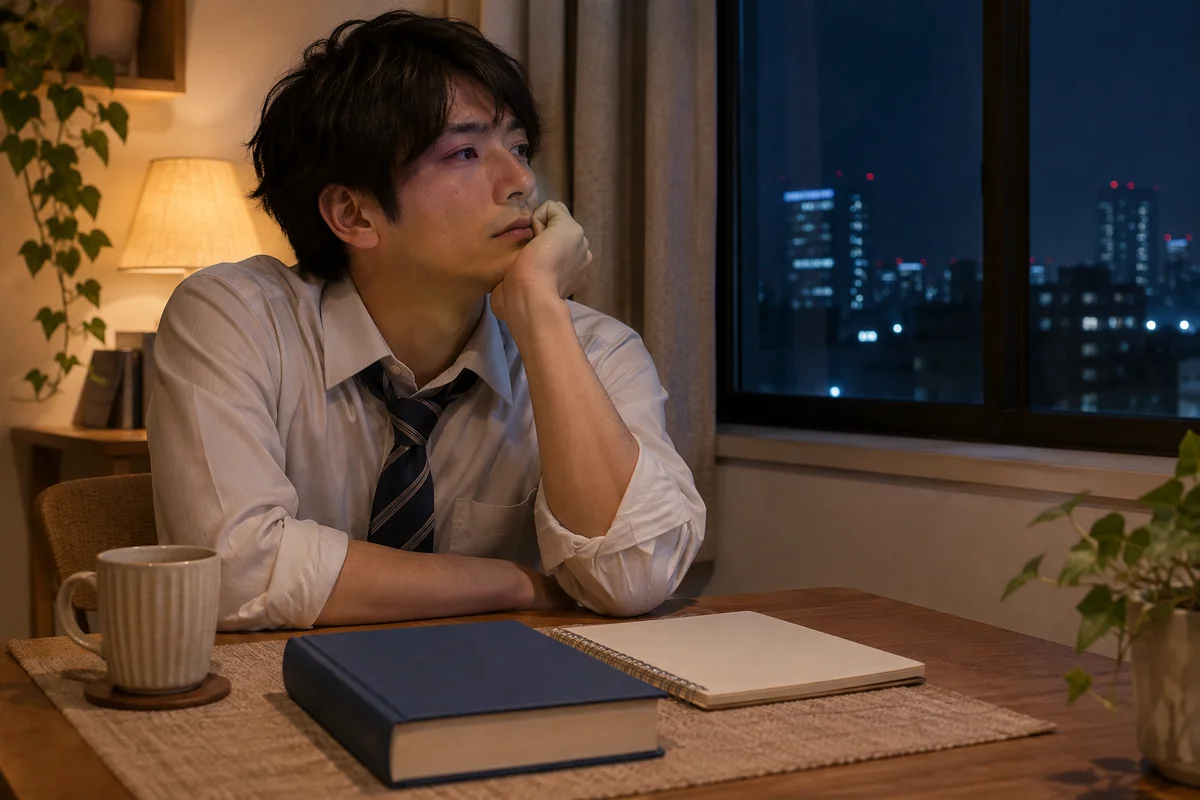
None of this means you lack willpower. It's much more likely that your restart looks exactly like the classroom, so your brain treats it like the classroom.
Remember the Reddit poster who hated Spanish but liked Chinese? That's a big clue.
A new language has no baggage. Nobody ever docked you points in it. Learning one word feels like a small win, and being clumsy doesn't sting, because there's no report card history attached.
So what decides whether it feels fun isn't mainly how hard the language is. It's the memories glued to it.
Which raises a hopeful question: if you came back to Spanish or French through a door that doesn't lead to the classroom, could it feel new too? I think it can.
Your first step back shouldn't look like homework. Start with something you'd want to watch or read anyway: a Spanish-language show, a French podcast about a hobby you love, interviews with a musician you like. The language becomes something you pick up along the way, not something you study.
Swap "how many mistakes did I make today?" for "what did I manage to say today?" Two words that made someone laugh is a win. There's no teacher grading you anymore.
Small conversation goals work far better than "become fluent." Try goals like these:
This is the biggest one. What the classroom was missing was someone to talk to. The moment there's a real person on the other end, the language stops being a subject and turns into the way you talk to them.

You don't need to be good. If you're curious about the other person, the conversation keeps going. Honestly, the clumsy back-and-forth where you're both working to understand each other tends to be the part you remember fondly later.
A language exchange is simple: you help them with English, they help you with Spanish or French. The trick is to keep it about getting to know each other, not about performing. Here are a few messages you can borrow.
Opening message (Spanish learner):
Hi! I'm from Ohio and I'm restarting Spanish after a long break. My level is honestly pretty rusty. I'd be happy to help with English anytime. What got you interested in English?
Switching languages (keep it simple):
¡Hola! Me llamo Sam. Me gusta cocinar y ver películas. ¿Y tú? (Sorry if that's wrong, still warming up!)
Asking for corrections without making it a test:
If I say something weird, feel free to tell me, but only the stuff that would actually confuse people. I'm trying not to overthink it.
French version of a check-in:
Salut ! Comment s'est passé ton week-end ? Moi, j'ai fait une randonnée. C'était fatigant mais super.
Notice that none of these are about grammar. They're about cooking, weekends, hikes. That's the point: the topic is them, not the verb tense.
People who had a rough time in high school language classes often think, "I'll talk to people once I've studied properly." But that order is just the classroom again.
Flip it. Find someone you want to talk to first. Look up the words you need when you need them. That's plenty.

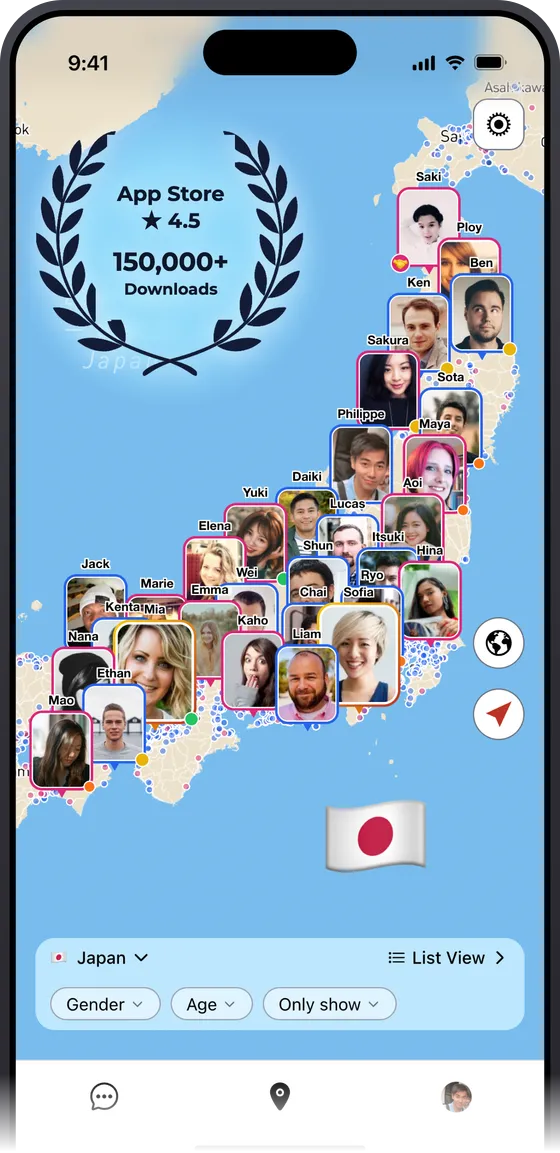
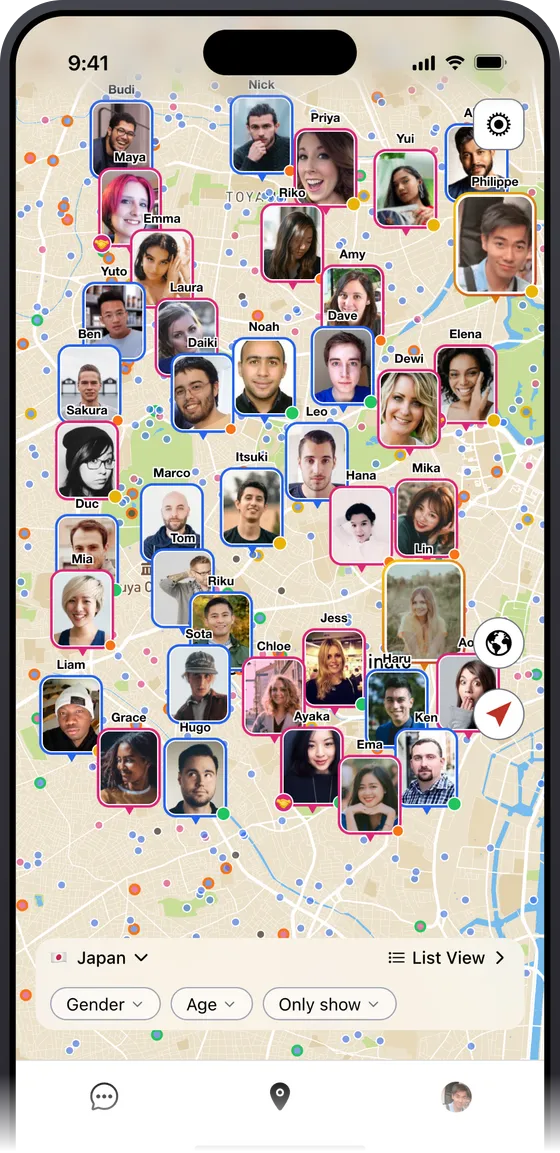
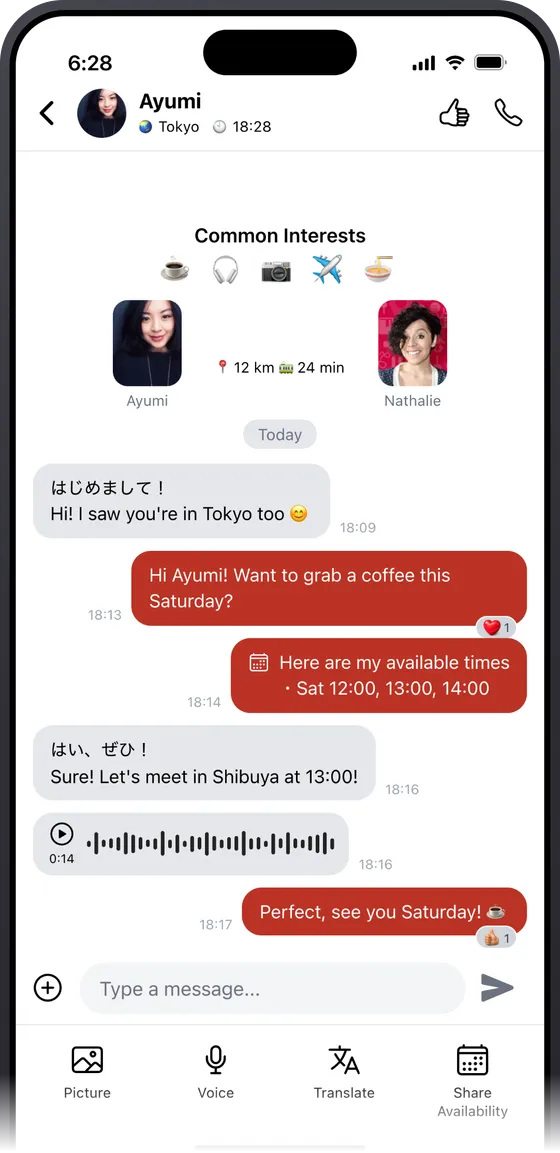
SewaYou is a map-based app for making friends with people nearby and anywhere in the world. You can explore a city in Mexico, Spain or France from your couch, start chatting with someone there without any travel plans, get to know people before a trip, and meet up when you're in the same place.
Make Japanese Friends On a Live World Map


You don't need a whole study plan to bring Spanish or French back into your life. You need one person you're curious about.
If high school Spanish or French wasn't fun, that isn't on you. It was a language built around points and deductions.
But you don't have tests or report cards anymore. You're allowed to talk about things you like, with someone you like, in imperfect Spanish. That alone is often enough to bring the fun of languages back.
Start by finding one person you'd like to talk to. Download SewaYou and meet someone on the map, wherever in the world they are.