
Sometimes it starts at the vending machine. A colleague you barely know yet lowers their voice and says, "Can I tell you something?" Then comes the story. The senior coworker who mocks them in front of everyone. The shove in the storage room. The years of it.
You came to this job to do your work. Now you are holding a secret that makes your stomach turn every time you walk past that person's desk. What are you supposed to do with it?
I have been on the receiving end of a few of these conversations in Japan. The first time, I did almost nothing, because I had no idea what "something" would even look like. This article is what I wish I had known.

The first question most people ask is simple. If it is that bad, why has nobody reported it in ten years?
From what I have seen, the answer is rarely that people do not care. It is that the costs of speaking up feel concrete and the benefits feel imaginary. Many people stay at one company for a very long time, so the bully is not someone you will escape next year. They might be your senior for the rest of your career. Reporting can feel like blowing up the only workplace you have.
There is also the fear of being seen as the problem. In a team that values harmony, the person who raises a complaint can end up labeled as the one who "disturbed the atmosphere," while the person causing the harm keeps their seat. And sometimes the manager is close friends with the bully, or is the bully.
So people endure. Silence feels safer than it actually is. Years later, they are scared to come to work, and everyone around them has quietly agreed not to notice.
When someone confides in you, the urge is to jump straight to action. "You have to report this!" "Why didn't you quit?" Both can land as blame, even when you mean well.
What helped the people I talked to most was much smaller. Believe them. Say clearly that what is happening is not normal and not their fault. Ask what they want, instead of deciding for them. Some people want help reporting. Some just need one person at work who is not pretending.
Then offer practical, low-risk help:
Being believed is half the relief. A lot of people in this situation have started doubting their own memory, because everyone around them acts like nothing is wrong.

If the internal route feels impossible, it helps to know it is not the only one.
Japan has a law requiring employers to take measures against power harassment at work, including setting up a way for employees to consult about it and not punishing people for doing so. It has applied to large companies since 2020 and to smaller ones since 2022. Whether your company actually follows it well is another story, but it means there should be a designated contact, and HR may be a different conversation than going to your direct boss.
Outside the company, the prefectural labor bureaus run free general labor consultation corners where workers can ask about harassment and other workplace problems, and there are consultation services aimed at foreign workers in several languages. Labor unions, including general unions that individuals can join, are another option. And physical violence is not an "HR issue." It is something the police can be told about.
None of this makes it easy. Knowing the exits changes how trapped you feel. Your colleague does not have to use any of them today. Just knowing they exist can make the next morning a little lighter.
Here is the pattern I keep noticing. The people who suffer most from workplace bullying are often the ones whose entire social life lives inside that building. Their friends are coworkers. Their evenings are company drinking parties. Their weekends are recovery from the week.
When that is your world, one cruel senior can poison everything. There is no other room to walk into where you are just you, not your rank or your mistakes from last Tuesday.
This is true for Japanese employees and doubly true for foreigners, who may already have thinner networks here. If your only friends in the country work at the same company, telling one of them about the bully can feel risky too.
People outside work see the real you. A friend who has never met your manager can tell you, "That is not okay," without any office politics in the way. That outside perspective is often what finally gives someone the courage to act.
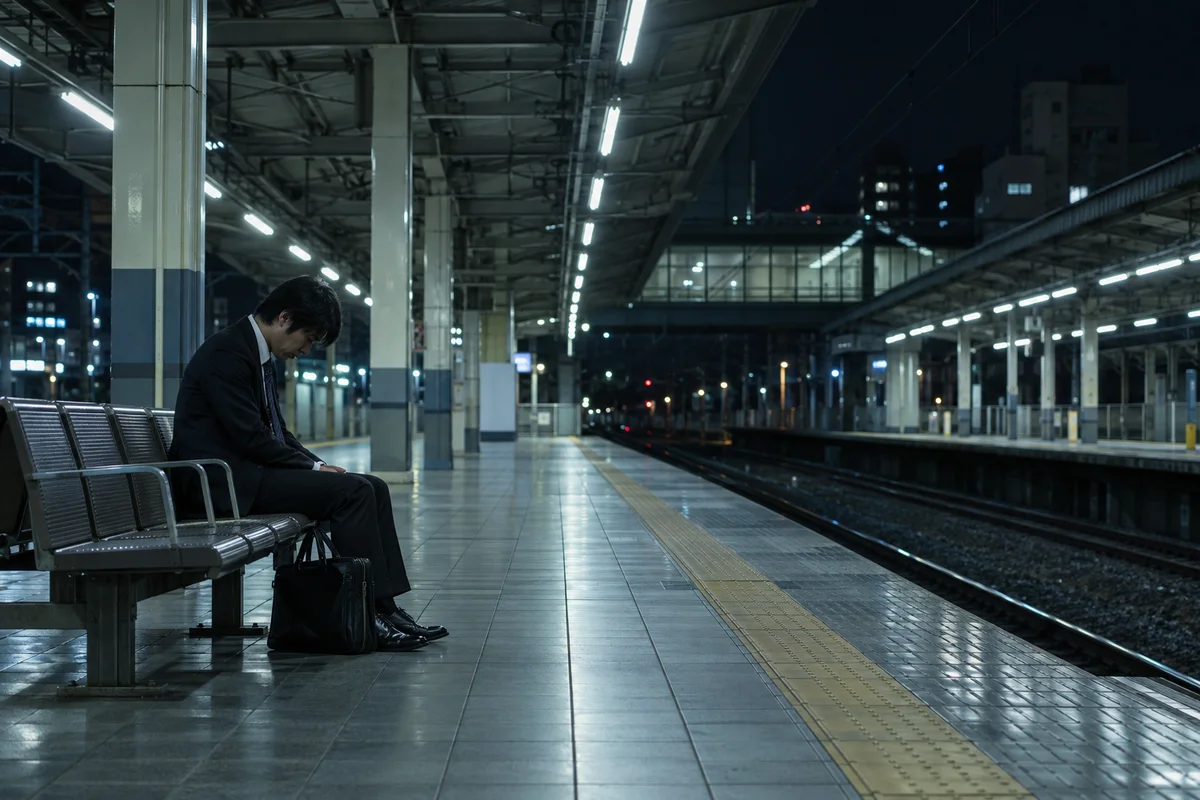
If you are the one being targeted, or the one listening, one of the most protective things you can do is have people in your life who have nothing to do with your job. Not as a replacement for reporting, but as the ground you stand on while you decide what to do.
That might be a running group, a language exchange partner, a neighbor you have tea with on Sundays, or a friend in another country you message every few days. It does not need to be a big circle. Two or three people who know you outside your job title can change how a bad week feels.
I have watched colleagues go from "I can't tell anyone" to "I talked it through with a friend and I'm going to HR" in a matter of weeks. Nothing changed at work in between. What changed was that they no longer felt alone with it.

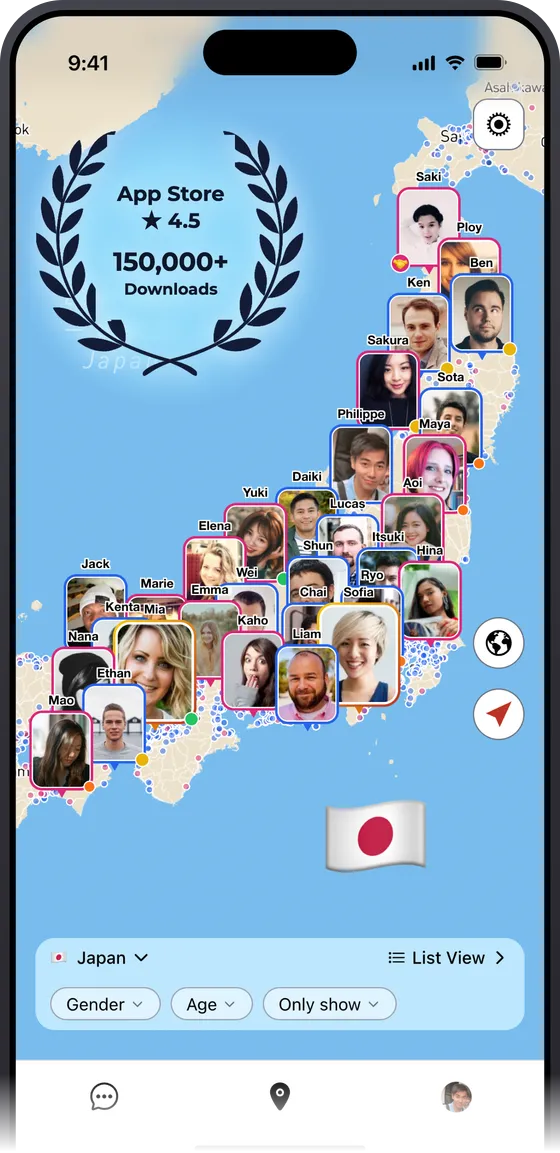
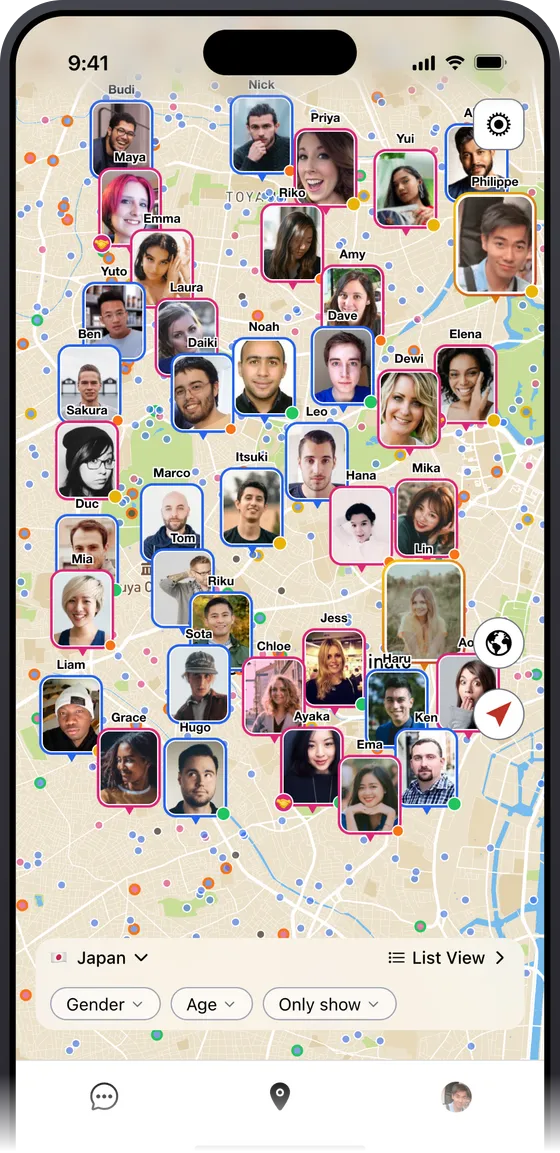
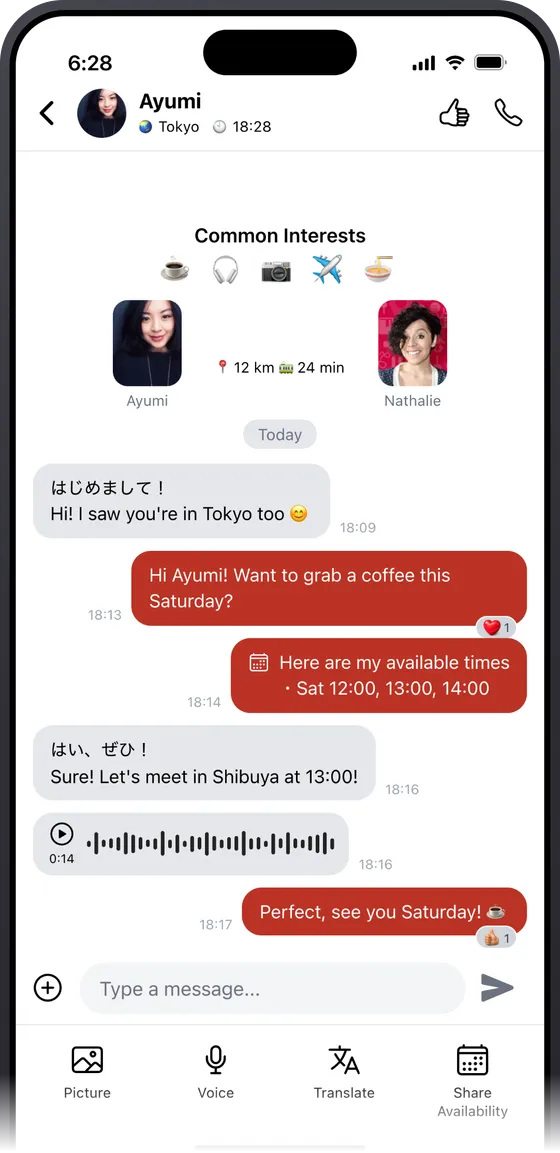
This is a big part of why we built SewaYou. It is a map-based friendship app where you can find people who want to make friends, both nearby and anywhere in the world. You can meet someone in your own neighborhood for a weekend walk, keep a long online friendship going with someone in another country, or connect with people in a city before you visit.
There is no swiping required. You browse the map, use filters to narrow things down, and send a message when a profile feels right. Whether you end up meeting in person or just chatting online, it is a way to build a world that does not run through your office.
Make Japanese Friends On a Live World Map


If a coworker trusted you with their story, the kindest thing you can do is believe them and stay close. And whether you are the one listening or the one hurting, make sure work is not the only place you have people. Download SewaYou, open the map, and say hello to someone outside your office this week.