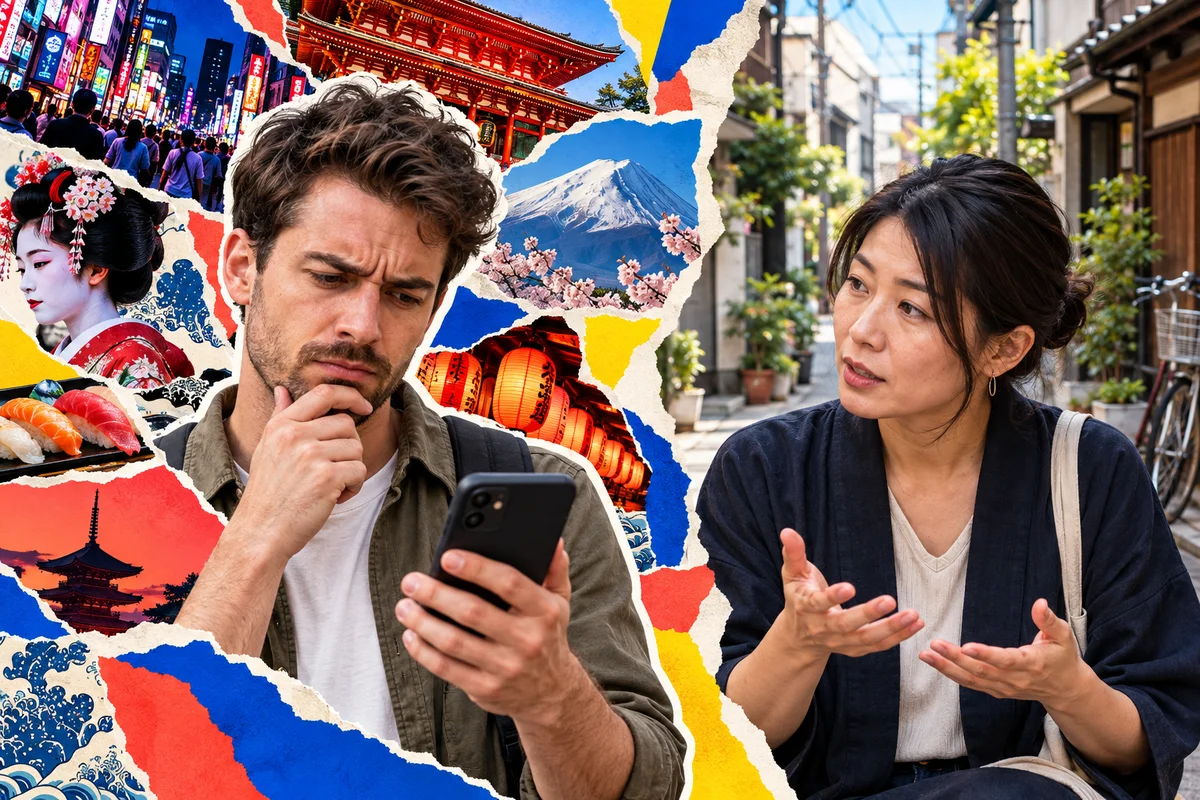
Scroll long enough and you'll learn that in Japan, eating while walking is basically illegal, tipping will get you thrown out of a restaurant, everyone naps at their desk to prove loyalty, and every woman over 25 is pitied as a "Christmas cake." You'll also see the same tired lines about Japanese women being submissive and "No Foreigners" signs on every door.
If you actually live here, or have spent real time here, most of that reads like a description of a country that doesn't exist. So why does Japan attract so much confident nonsense? And more usefully, how do you figure out what's true before you repeat it to someone, or worse, to a Japanese person's face?
I don't think most of this comes from bad intent. It comes from a few things that happen to line up perfectly for Japan.
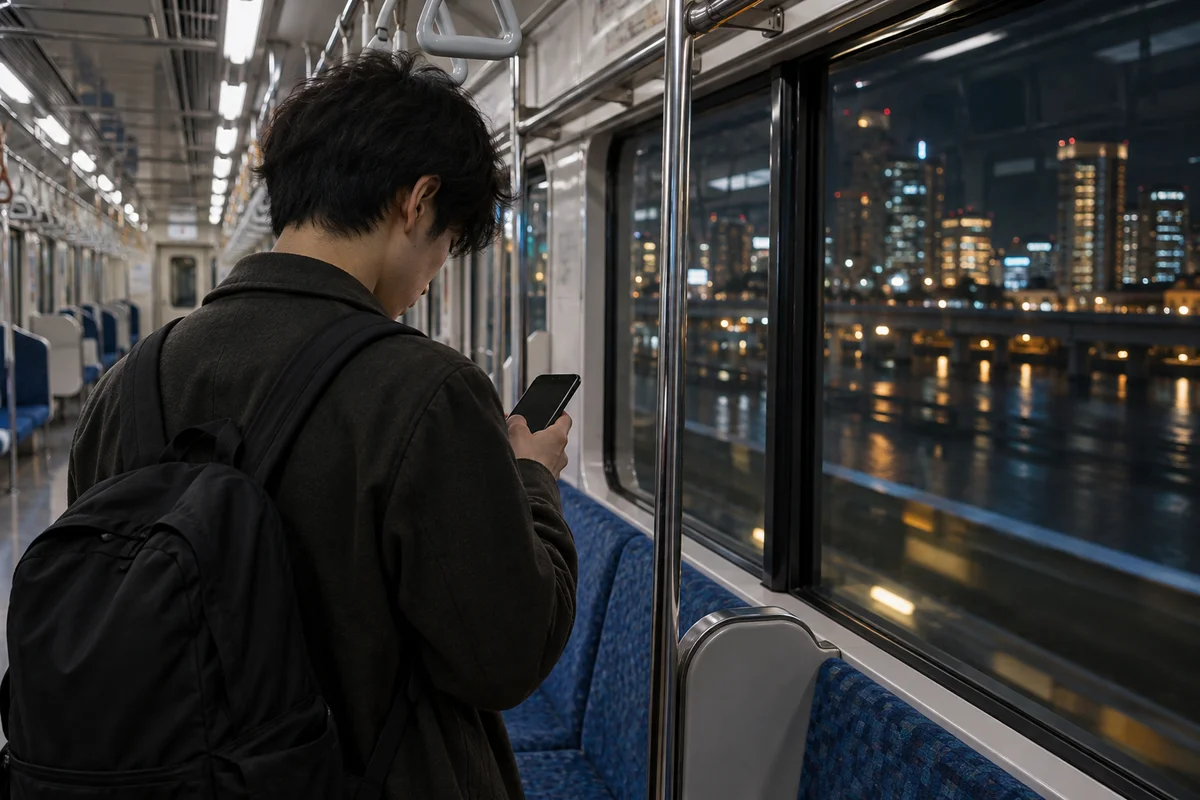
First, Japan is famous but far away. Millions of people are curious about it, and only a small share of them have ever been, let alone lived here. That gap is the perfect space for a story nobody can easily check.
Second, "weird Japan" is a genre. A clip that says "in Japan, people do this strange thing" gets shared far more than one that says "in Japan, people mostly go to work, cook dinner and watch TV." The exotic version wins every time, even when the boring version is the true one.
Third, nobody gets punished for being wrong. A video can be off by a mile and still pull a huge audience, and the correction in the comments gets a fraction of the views. Confidence spreads faster than accuracy. That's true about every country, but Japan seems to get an extra helping.
And finally, a lot of these "facts" have a tiny real seed in them, which makes them feel credible. That's the part worth slowing down on.
Most Japan myths aren't invented from nothing. They're a small truth stretched until it snaps.
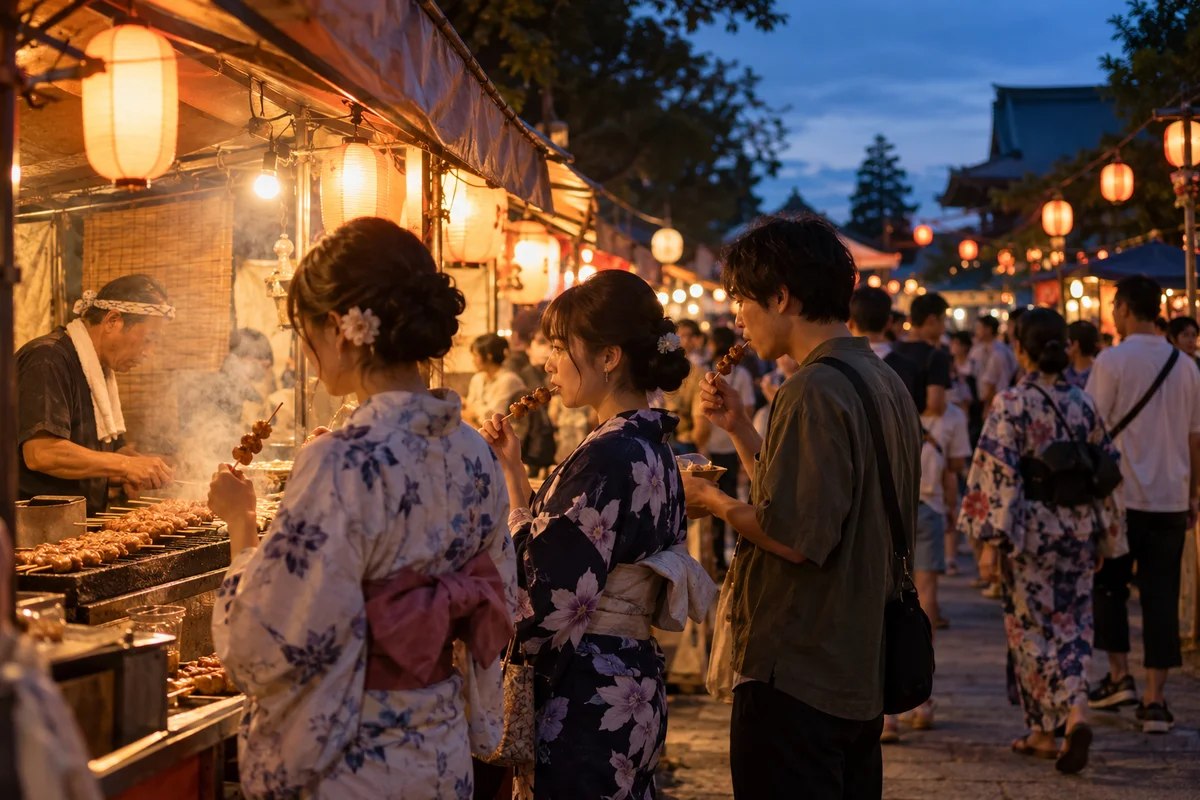
Take eating while walking. In my experience, a lot of people here do prefer to stop and eat near the shop or a bench instead of munching down a crowded street, and some busy tourist spots politely ask visitors to do the same. That's a manners preference in certain places. It is not a national ban, and anyone who has been to a summer festival has watched whole crowds wander around with skewers and shaved ice.
Tipping is similar. It's genuinely not part of everyday restaurant culture here, and staff may chase you down to hand back money you "forgot." But "tipping is rude and offensive" turns a polite confusion into a moral drama. Most of the time it's just awkward, not an insult.
Sleeping at work? People do nod off on trains and sometimes at their desks, because plenty of people here are tired. Turning that into "napping is a sign of dedication" is a much bigger claim than what you actually see in an office.
Then there are the claims that aren't half-truths at all, just outdated or wrong. The "age of consent is 13" line, for example, is old information: Japan raised it to 16 in a 2023 law revision. A post that still repeats the old number years later tells you how rarely these things get checked.
A real detail plus a big conclusion is the recipe for almost every Japan myth.
This would just be funny if it stayed online. It doesn't.
Stereotypes about Japanese women being "submissive," or Japanese people "worshipping" foreigners, shape how some people walk into a conversation here. They expect a script, and the person in front of them is just a normal adult with opinions, boundaries and a bad day at work. In my opinion, that mismatch is behind a lot of awkward first meetings, failed friendships and frustrated people on both sides.
It also hurts newcomers. Someone who arrives convinced that everyone is cold, rule-obsessed or secretly hostile to foreigners often ends up hiding at home, reading more of the same content, and never testing it. The myth becomes a wall you build yourself.
And it's tiring for people who live here, Japanese and foreign alike, to keep answering the same strange questions. Nobody wants to spend a first coffee explaining that, no, their country is not a meme.
You don't need to become a researcher. A few quick questions catch most of the nonsense.
Who is saying it? Someone who lives here and describes their own street, or someone who visited for a week, or someone who has never been? None of those are worthless, but they're not equal.
Is it one place or the whole country? One shop's sign, one office's habits or one city's rule gets turned into "in Japan" constantly. Japan has big cities, small towns, islands and very different regions.
Is it the current situation? Laws and customs change. If a claim leans on an old number or an old news story, look for something recent.
Does it make Japanese people sound like a single personality? If the claim describes more than 120 million people as all doing, wanting or believing one thing, it's almost certainly flattened.
The best test of all, though, is the simplest one: ask an actual person who lives there.
No article, including this one, beats a conversation with someone who lives the daily reality. Ask a friend in Osaka whether people really never eat on the street and you'll probably get a laugh, a nuance, and a story about their favorite takoyaki stand. That one answer is worth a hundred viral clips.

The tricky part is meeting those people if you're not already in their circle. That's why we built SewaYou. It's a map-based friendship app where you can find people nearby and anywhere in the world. You can explore a city in Japan from your sofa back home, start chatting with people who actually live there, build an online friendship with no travel plans at all, or connect before a trip and meet up once you're in the same place. If you already live in Japan, you can find people around you who are open to new friends, foreign or Japanese.
Make Japanese Friends On a Live World Map
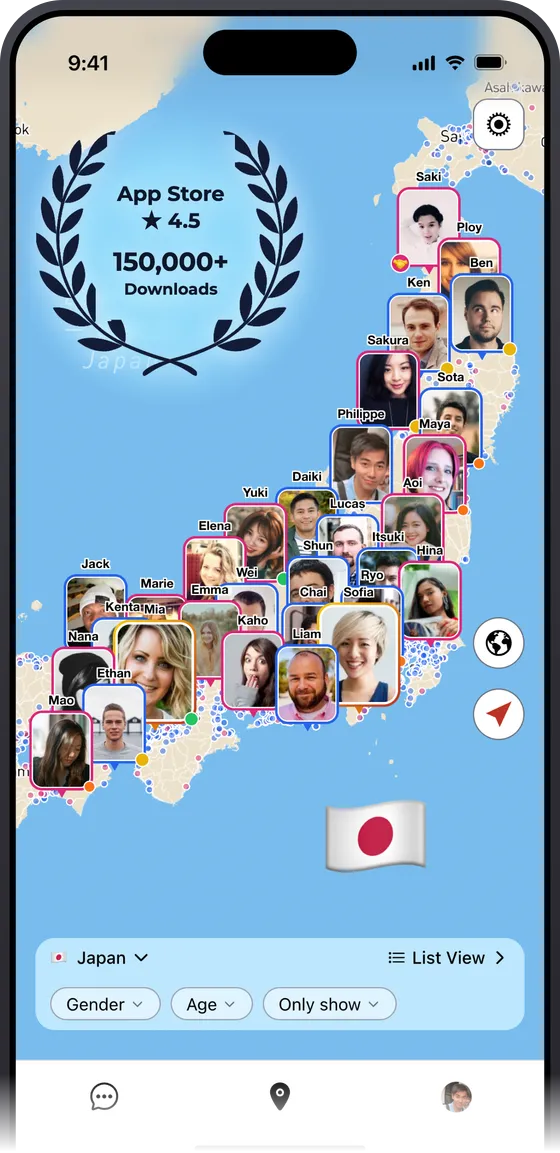
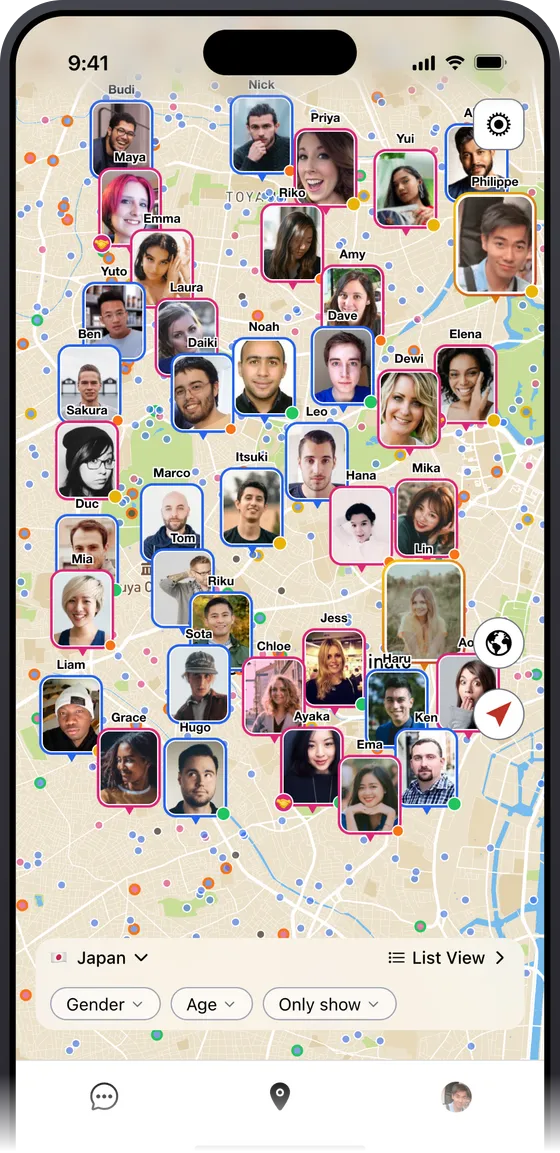
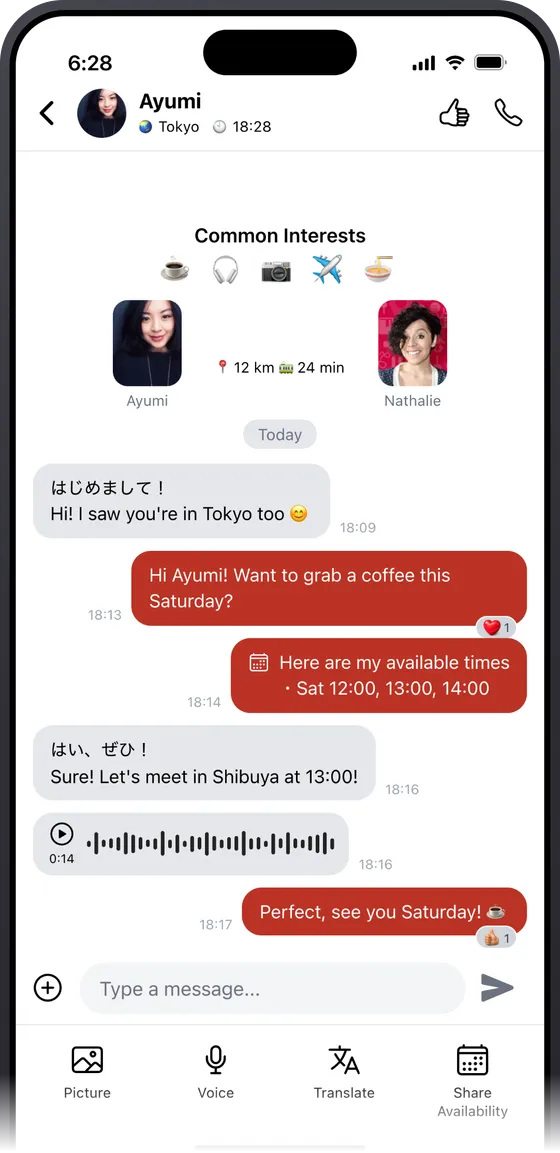


Instead of guessing what Japan is "really like" from a feed, you can just ask. And the answers you get will be messier, funnier and far more interesting than any myth.
Japan isn't uniquely mysterious. It just has a lot of people talking about it who've never had a real conversation with someone who lives there. The fix isn't to argue in the comments. It's to replace secondhand stories with firsthand ones.
Next time a "crazy fact about Japan" crosses your screen, try asking a real person instead. If you don't know anyone yet, that's an easy problem to fix.
Find people in Japan, and anywhere else you're curious about, on SewaYou.