

At the park near our place, a kind older woman crouched down to my son, smiled, and said "Hello! What is your name?" in careful, rehearsed English.
My son blinked at her. He is two. He speaks Japanese with his dad and Russian with me. English is not in his world yet. He just stared, then went back to digging with his shovel.
Here is the part that gets me: I had been speaking Japanese to him the whole time she watched us. She heard every word. And the moment she turned to him, out came the English anyway.
This happens constantly.
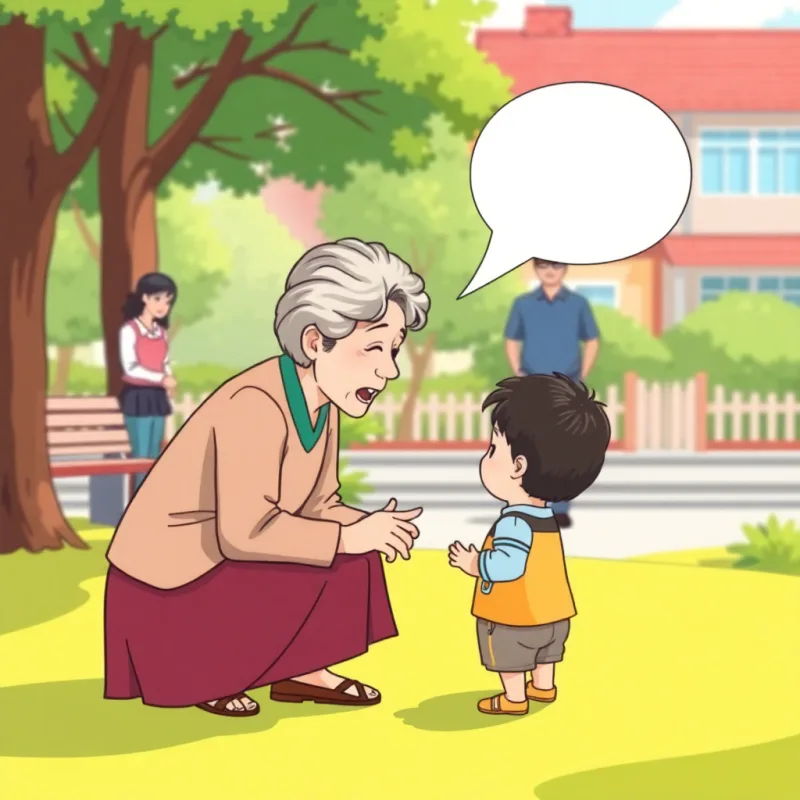
When someone in Japan sees a face that reads as foreign, a little script fires before they have time to think. Foreign face, so English. It runs on autopilot, faster than the evidence sitting right in front of them. She had just heard me speak Japanese to my own child, but the script does not wait for evidence. The face fires first.
And it is almost never meant as an insult. Most people are being warm. They are reaching for the one tool they think will help a stranger feel welcome. The intent is kind. The problem is what the reflex quietly assumes underneath.
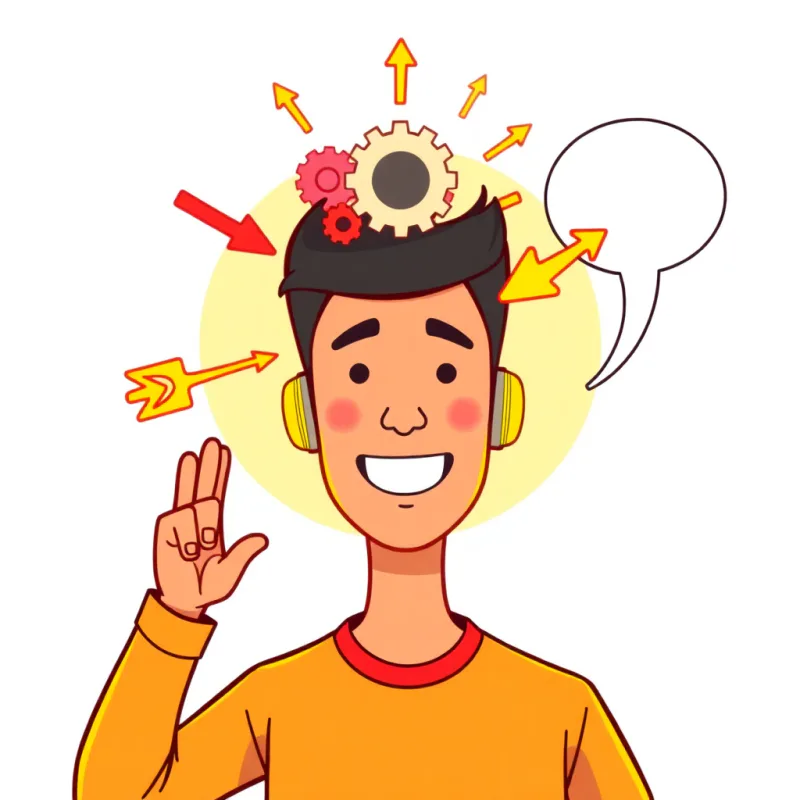
Ask any foreign parent here and you will collect a whole drawer of comebacks. Answer in flawless Kansai-ben and watch the eyebrows go up. Reply in Russian and enjoy the scramble. Say "sorry, he only speaks Japanese" and let the pause do the work.
They are fun. I use them. But the laugh fades fast, because the joke was never really the point. The thing that actually itches is smaller and quieter. In that moment, my son was not a kid with a shovel and a favorite dinosaur. He was a guess about a face. A category, not a kid.
For a two-week tourist, getting greeted in English is charming. Free practice, friendly faces, no harm done. You go home with a good story.
But when Japan is your home, the same small thing repeats a few thousand times. Every cheerful "Hello!" is a gentle reminder that the default setting still files you under guest. Year after year, that adds up. It is the same invisible wall that makes friendships here feel like they are always one polite step away. You can speak the language, know the trains, and sort your trash on the right morning, and still get met as the foreigner first, the person second.
It is not anger. It is a low, steady tiredness. The feeling of being read as a type when all you wanted was to be read as you.
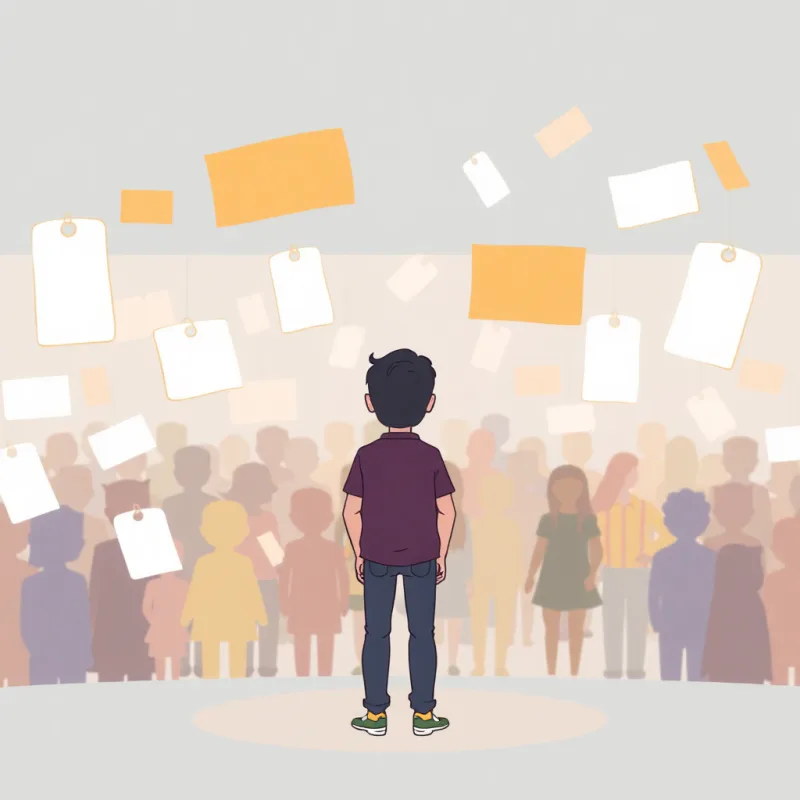
You cannot retrain a whole country's reflex with one witty line. What actually helps is the opposite of a script: people who meet you as a specific person, who ask which language you feel like speaking today, who are curious about your story instead of your face.
Those people exist everywhere, Japan very much included. The hard part was never that they are rare. It is that the usual places do not sort for them. You bump into the reflex at the konbini and the park. You almost never bump into people who skip the script.
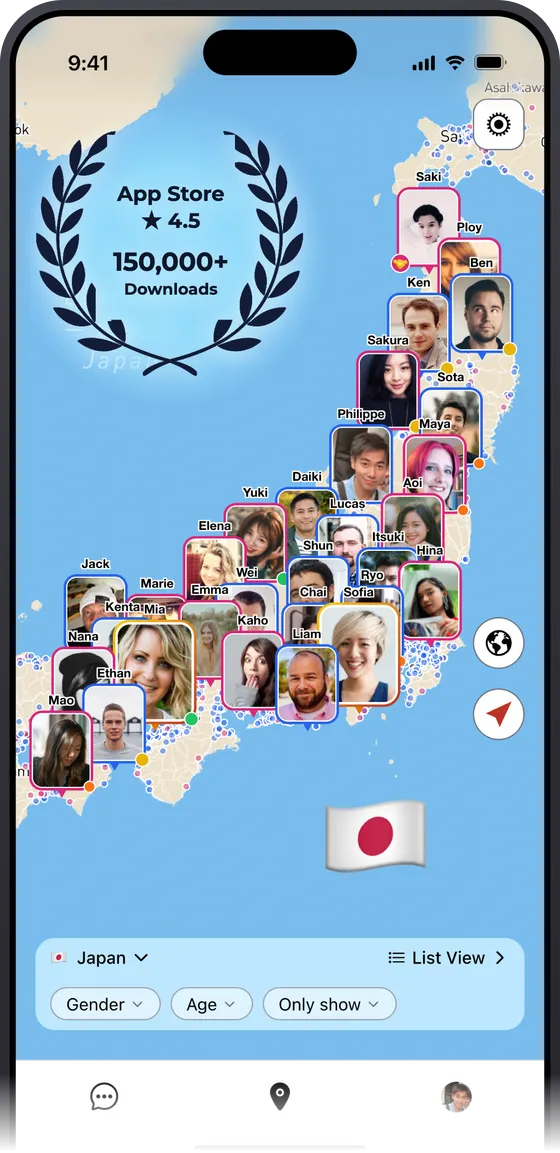
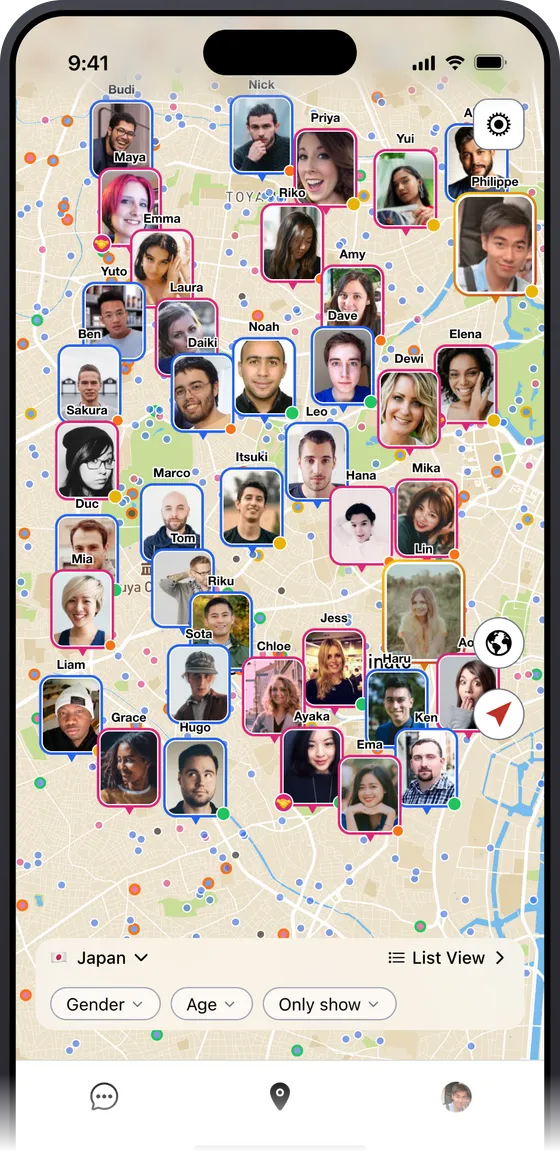
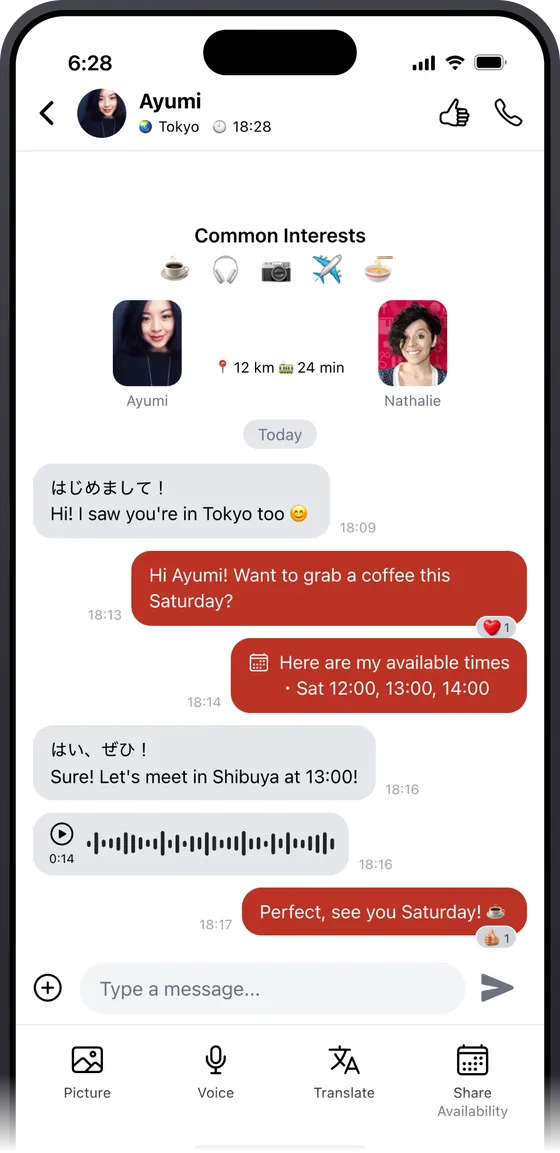
That gap is the whole reason SewaYou exists. It is a map-based app that shows you who is actually near you and genuinely open to connecting across languages and cultures, not just the nearest foreign face. You see who is around, what they are into, and which languages they want to share, before anyone has to guess anything. It skips the scripts and gets you straight to people who are looking for the same thing you are.
Make Japanese Friends On a Live World Map


My son will grow up multilingual, a little confused, and probably very good at fielding surprise English at the playground. That part is fine. But the world I want for him, and honestly for myself, is one where the first question is "who are you?" and not "what are you?"
If you are tired of being greeted as a type and want to meet people who see the actual you, SewaYou is a good place to start.


