

I watched it happen at a lunch counter. My boss paid, same as always. Then a coworker my age pushed her tray forward and said "no no, let me pay my own." I froze mid-bite and did the math. She had been paying her share every single time. I had not.
For a second I wondered if I had been quietly rude for months without knowing it.
The rule was never universal.

Where I grew up, this was simple. The person with power pays. Your boss, your older friend, the person treating you. You do not fight them for the bill. It would feel like rejecting their generosity.
So I never offered. Not because I am cheap. Because in my home culture, offering would have been the mistake.
Then I moved here, into a company full of people from all over, and discovered every one of us was running a different rulebook.
Splitting the bill is the quiet default.

Japan has its own version. Splitting evenly, warikan, is normal in a lot of settings. Friends, coworkers, sometimes even a boss. Nobody announces it. It just happens, and if you have not learned it, you sit there while everyone else slides their share onto the tray.
It gets messier in an international office. Your boss might come from a country where treating is expected. Your coworker might come from one where paying your own way is a point of pride. You are in Japan, but the table is a mix of three cultures, none of which wrote their rules down.
Culture shock hides in tiny moments.
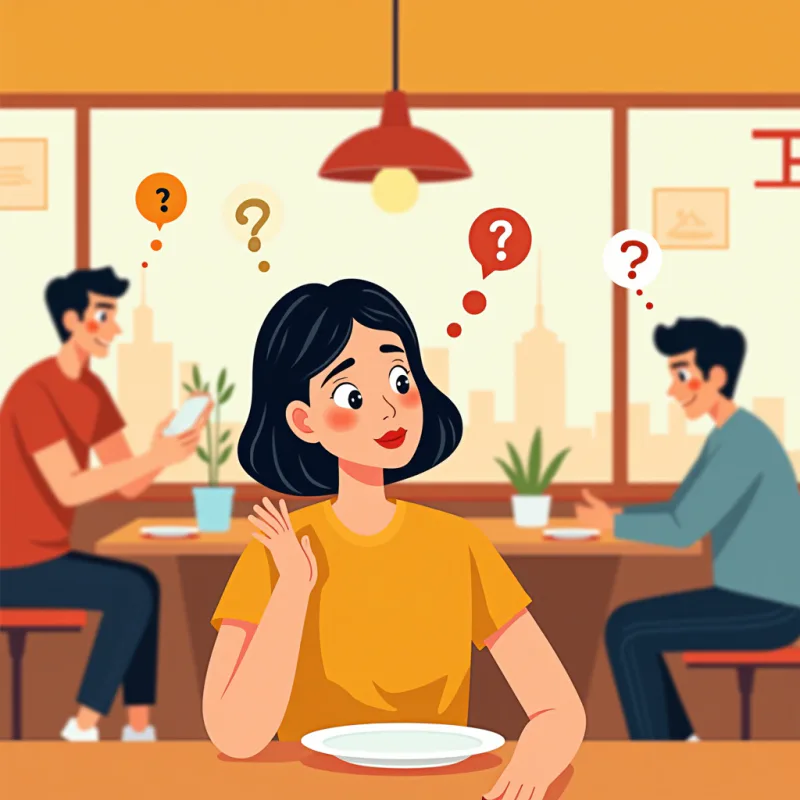
This is the part nobody warns you about. The big culture shock, the bowing and the trains, you read about before you land. The small stuff is what gets you. Who pays. Who reaches for the door. Whether you say no once or three times.
These tiny moments do not stay tiny. When you get them wrong and no one tells you, you start to feel like you are missing something everyone else already knows. That is loneliness wearing a very polite disguise.
The fix is not a guidebook. No one writes down the rule for your specific office, your specific boss, your specific table.
Unwritten rules are learned from people, not books.

You learn them the way the girl at the counter did. She had clearly been watching, asking, comparing notes. The best people to ask are the ones who have already made these mistakes in front of you.
That is the whole point of having friends from different backgrounds. Not just someone to eat with. Someone to turn to after and ask "was that weird?" Someone who laughs and explains the rule you just missed.
SewaYou exists for exactly this. It shows you the people around you on a map who want to meet, talk, practice a language, or just grab lunch. Not only Japanese friends. People from everywhere, right near you.
Make Japanese Friends On a Live World Map
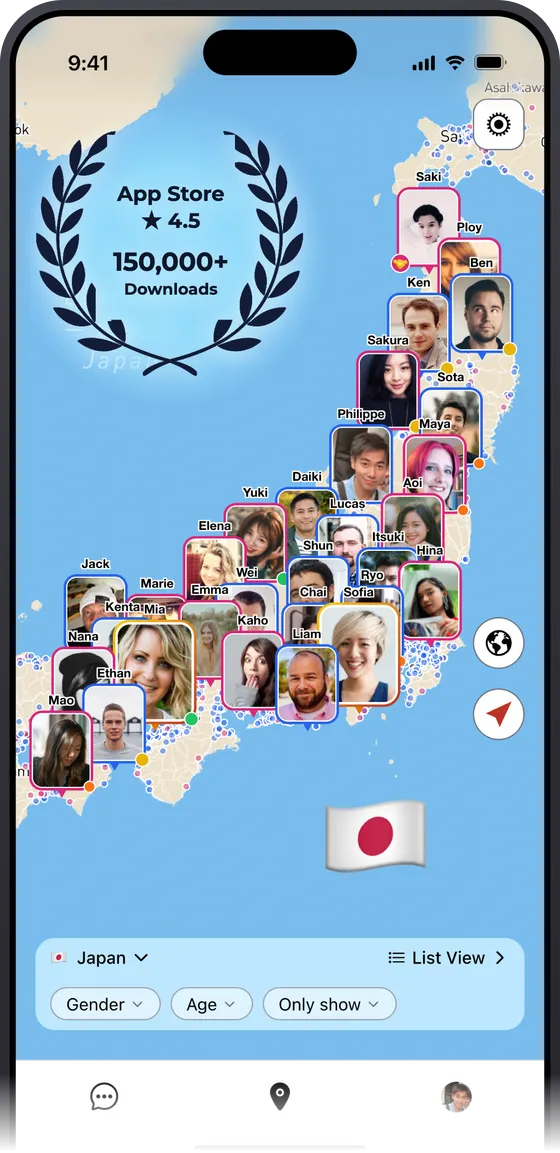
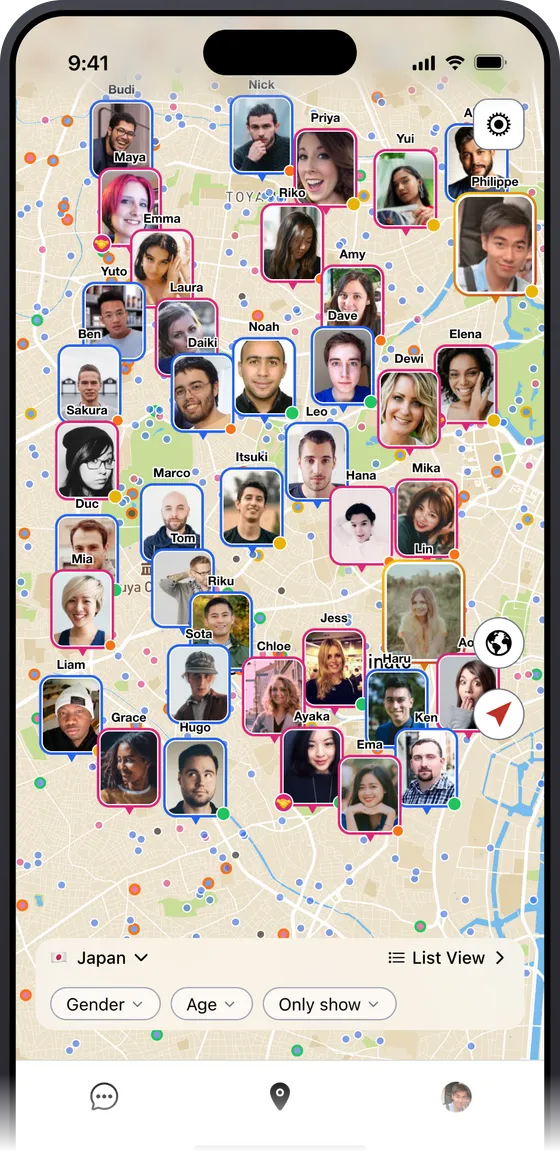
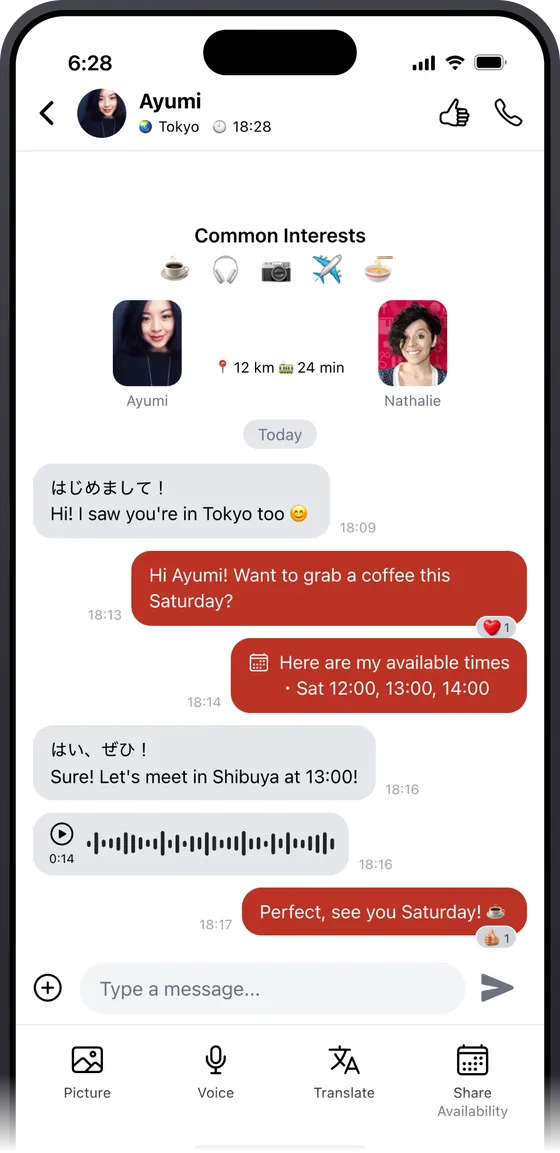


You will still get the bill wrong sometimes. Everyone does. But you stop guessing alone, and that is the part that changes everything.
Ask early, ask often, and let the answers come from real people around you. The rule nobody tells you is a lot easier to learn when someone is sitting across the table.


