
There's a quiet kind of foreigner in Japan you've probably sat next to at a nomikai. They pay the same as everyone, smile through the whole evening, and eat edamame, fries and a few leaves of garnish for three hours.
Maybe that person is you. Maybe you grew up vegetarian for religious or family reasons, tried to "adapt" when you moved here, and found out that politely forcing down pork while your stomach turns is not adapting. It's just suffering with good manners.
I've watched this pattern play out again and again, and I think the usual advice ("just be flexible, it's Japan") gets it backwards. Here's what actually helps.
Most work dinners in Japan aren't ordered dish by dish. Someone books a set course, often with all-you-can-drink, and the food just arrives: sashimi, karaage, some grilled meat, a hot pot. Nobody at the table chose it, so nobody feels responsible when it doesn't work for you.

The person booking usually means well. But "foreigner, doesn't eat some things" is vague, and vague requests get filled in with guesses. In my experience, the guess is often "they'll eat the fish," or "there's salad, that's fine." Then you're sitting in front of a plate of raw beef tongue while everyone says itadakimasu.
So the problem isn't that Japanese people don't care. It's that a vague request gets a vague answer, and the course menu locks that answer in weeks before the dinner.
A lot of people in this spot quietly eat the meat once or twice to avoid making a fuss. I get it. Nobody wants to be the difficult new hire.
But think about what that teaches everyone around you. If you ate the karaage last time, the next organizer reasonably assumes your diet is a preference, not a rule. The fuss you avoided once comes back bigger every dinner after.
There's also the part nobody sees. Forcing yourself to eat something you find genuinely repulsive, for hours, in front of your boss, wears you down. Do that monthly and you start dreading the invitations. Then you start skipping them. Then you feel left out at work, and it has nothing to do with the food anymore.
The fix is boring but it works: tell the organizer before they book, in writing, in plain words.

Instead of "please make sure there's something I can eat," try something closer to this:
That last line matters. You're not handing someone a problem, you're offering to share it. Japanese has a handy word for a food restriction you can't break: you can say you "can't" eat something (食べられない), not that you "don't like" it. People tend to hear the first as a rule and the second as a taste.
And when a new organizer takes over, say it again. Don't assume the last person's notes got passed along.
Here's where a lot of these stories turn sour. You order a few extra dishes because the course had nothing for you, coworkers happily eat them too, and the next day someone asks you to cover the extra on top of your share.
Every workplace splits the bill differently. Sometimes managers pay more, sometimes everyone pays a flat amount, sometimes it's a mix nobody explains. The only safe move is to agree on the money before anyone orders.

A simple question to the organizer or your manager does it: "If I order a couple of dishes outside the course, is that included in the normal amount, or should I pay separately?" Ask it with a smile, a few days ahead. It sounds a little awkward, but it's far less awkward than chasing a coworker for ¥3,000 later.
If something does go wrong afterward, keep it calm and factual. Go to the person who set the rule (often your manager) rather than arguing with the organizer at their desk. You're not ruining a relationship by asking for clarity. Resentment you swallow for months does that much more reliably.
Here's the bigger point. If nomikai are the main place you eat with other people in Japan, every one of them carries way too much weight. Each awkward course feels like proof that you don't fit in.
It helps a lot to have people outside work who eat the way you do, or who at least find it interesting instead of inconvenient. A friend who knows the one shojin ryori place in your area. Someone who'll cook a vegetable curry with you on a Sunday. A Japanese friend who's curious about the food you grew up with and wants to try it.
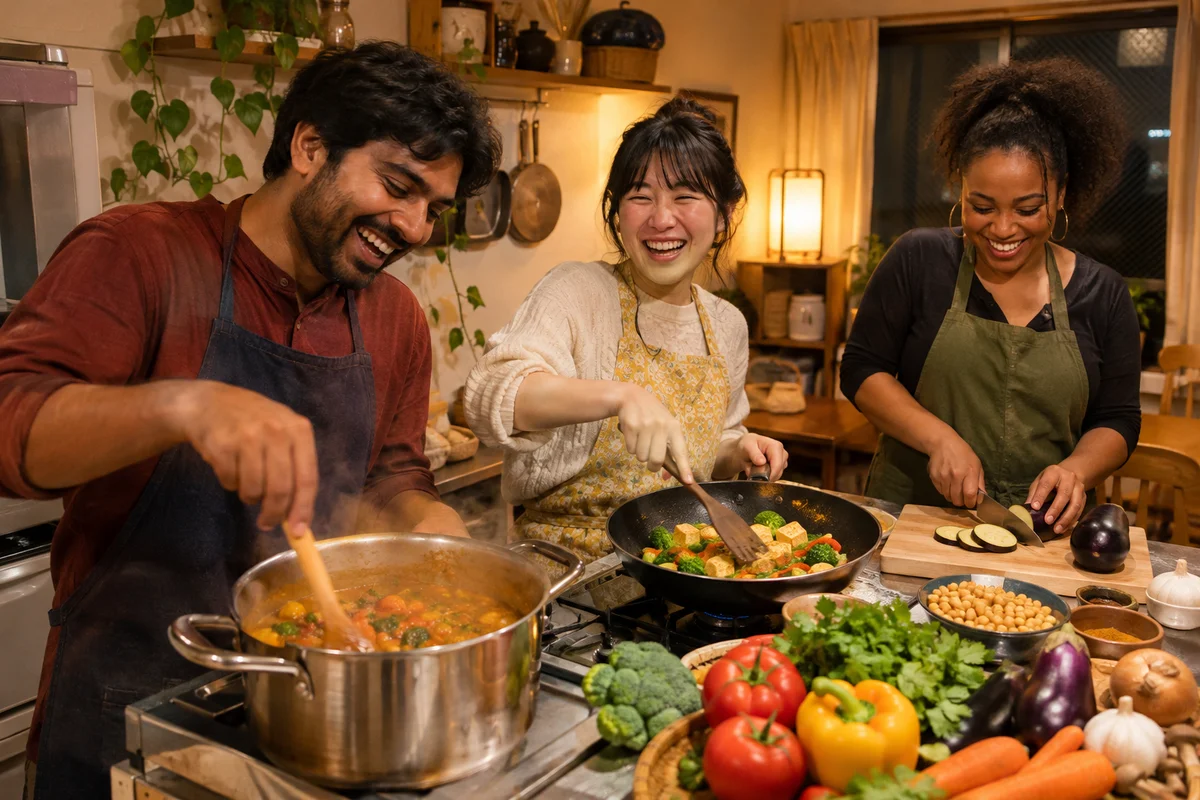
Once you have that, work dinners become just work dinners. You go, you eat your edamame, you leave at a reasonable time, and it doesn't sting, because your real table is somewhere else.
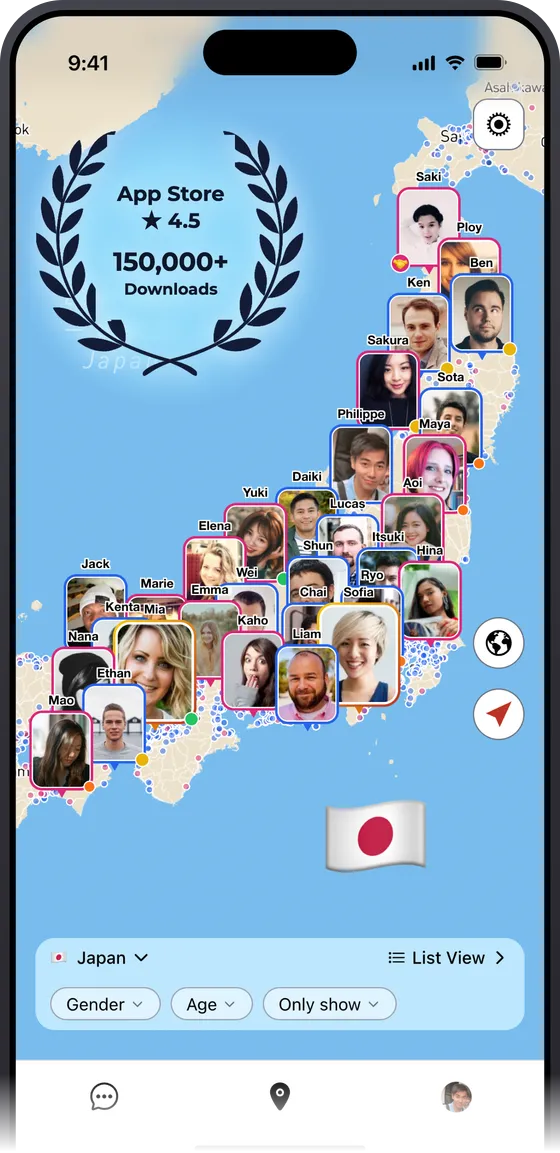
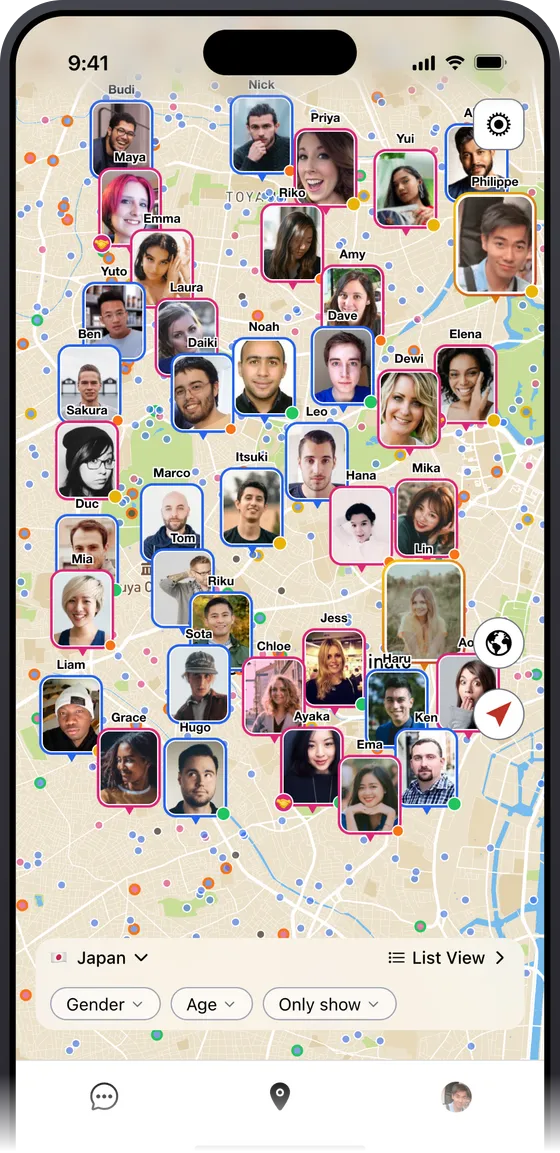
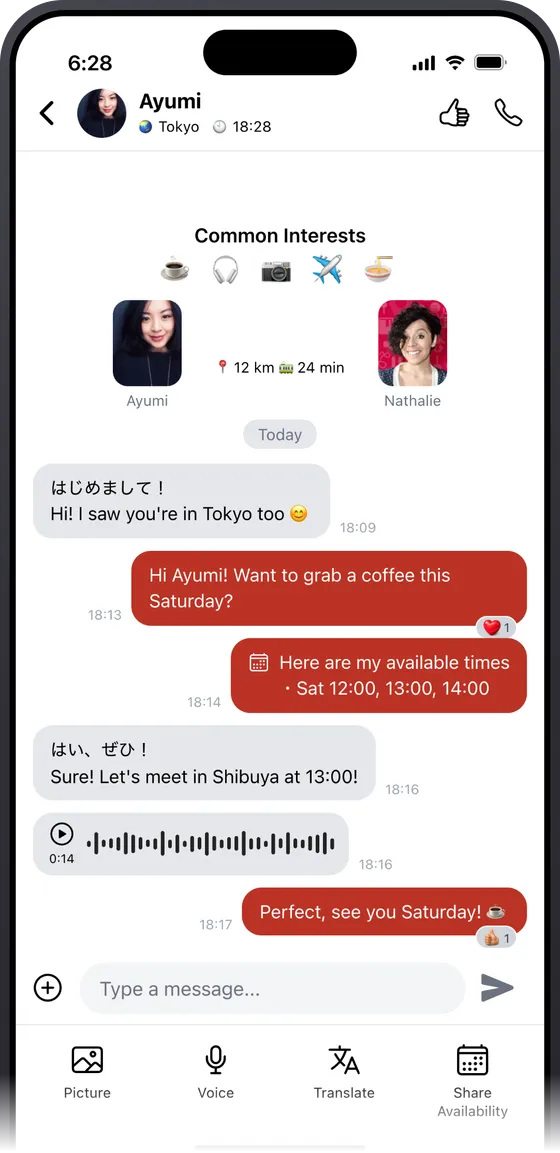
That's the reason we built SewaYou. It's a map-based friendship app for meeting people nearby and anywhere in the world. You can see who's around your city, find people who share your interests (vegetarian cooking, temple food, home recipes from your country), or chat with people in another city or country from home before you ever visit. Some of those chats stay online friendships, and some turn into Sunday curry in person.
Make Japanese Friends On a Live World Map


You don't have to choose between your values and your coworkers. You just have to stop paying for silence, with your stomach or your wallet.
If you want people to share a meal with who don't need a course menu explained, download SewaYou and see who's around you, nearby or anywhere in the world.