

You are drenched by 9 a.m. and the day has not even started.
You ducked into the bathroom to wipe down before the morning meeting. You layered a black undershirt, you stuck a sweat pad on the back of your collar, and the patches still bled through. The aircon is on. Everyone else looks dry. You are convinced something is wrong with you specifically.
I have watched person after person move to Japan and quietly conclude they are broken. They are not. They just walked into one of the most punishing summers on earth with none of the local cheat codes. Japan does not sweat less. It just prepares more.
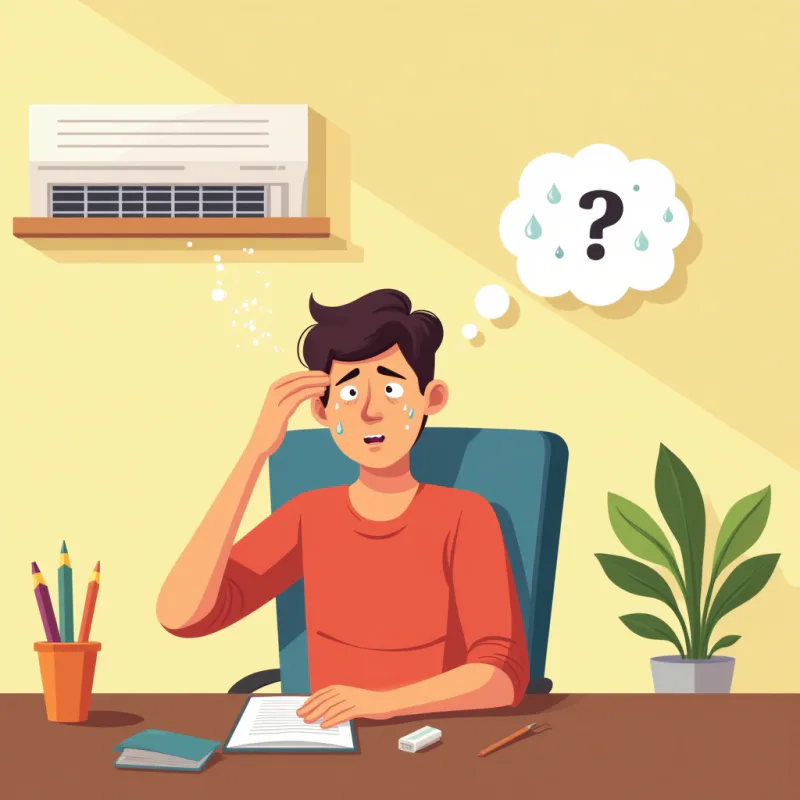
Yes. Japanese people sweat like everyone else. Sweating is how every human body cools down, and in a humid Japanese summer locals get just as soaked on the walk to the station as you do.
So why do Japanese people seem not to sweat? Mostly preparation and habit: a towel or handkerchief always in the bag, cooling wipes, contact-cooling innerwear, handheld fans, and quick resets in a station bathroom before anyone sees them. The sweat is there. It is just managed.
There is one real biological difference, and it is about smell, not sweat. A variant of a gene called ABCC11 is very common in East Asia, Japan included. It is linked to dry earwax and to milder underarm odor. It does not mean Japanese people sweat less; it changes how that sweat smells. And plenty of people in Japan do not carry it.
Here is the thing nobody tells you in your first June here. A Tokyo summer is not "hot." It is a wet wall. Thirty-four degrees with humidity in the high seventies means your sweat has nowhere to evaporate, so it just sits on your skin and soaks your shirt.
Locals are sweating too. The salaryman next to you on the train has a towel in his bag for a reason. The reason you feel like the only swamp in the room is that you grew up somewhere where visible sweat reads as a personal failure. That story does not travel well here.
In Japan, dabbing your face with a folded handkerchief on the platform is just a normal Tuesday. The patches bother you far more than they bother anyone looking at you.
Walk into any drugstore in July and there is an entire wall built for exactly your problem. Most newcomers walk right past it because they do not know what they are looking at.
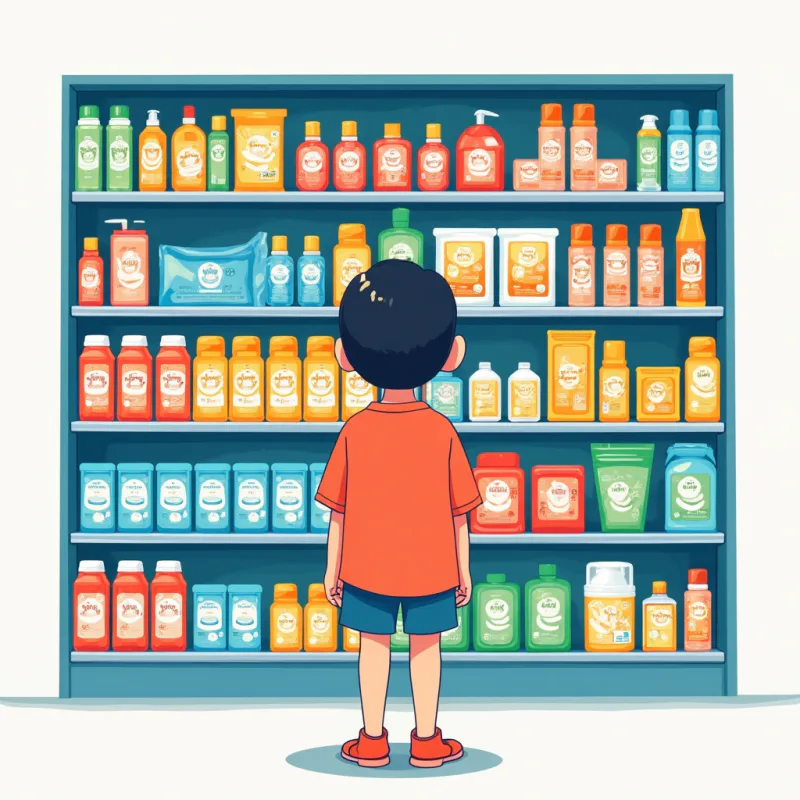
A few things locals reach for without thinking:
None of this is secret. It is just invisible until someone points at the right shelf and says "get that one, not that one."
Here is the part that actually matters for a physical job. If you are on your feet all day in thick uniform fabric, no antiperspirant on earth will save you. You are fighting the wrong battle.
What Japanese tradespeople, delivery crews, and warehouse staff use is the 空調服, a work jacket with little fans sewn into the lining that pushes air across your whole torso. They are everywhere on construction sites in August for a reason. There are also cooling vests, ice packs that slot into special undershirts, and breathable replacements for exactly the kind of stiff polo that is betraying you right now.
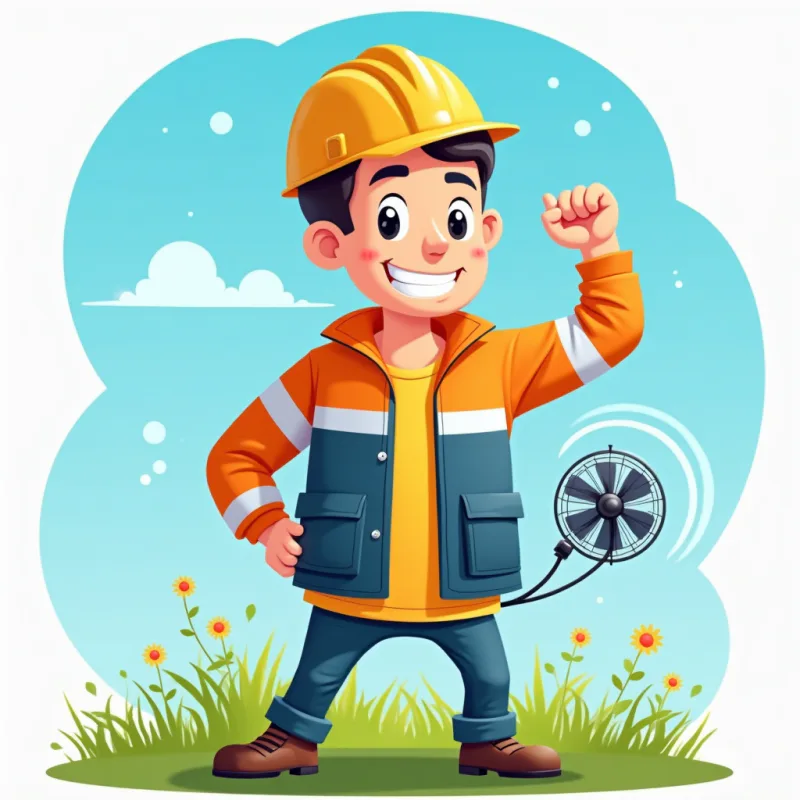
You will not find any of this by Googling in English. You find it because a coworker mentions it, or a friend drags you to a Workman store and shows you what actually works.
Many do, though deodorant habits can look different from what you are used to. Drugstores stock whole aisles of deodorant sprays, roll-ons, sticks and wipes, and they get busiest in summer. Lots of people lean on wipes and cooling sprays through the day rather than one heavy coat in the morning.
If you are wondering whether deodorant is common in Japan: yes, you will find it in any drugstore or convenience store. You do not need to pack a year's supply from home.
Notice the pattern. Every fix above is one casual sentence from a local away. The wipe brand, the cooling fabric, the fan jacket, the "honestly nobody is looking at you the way you think" reassurance. None of it is hard information. It is just trapped on the other side of a conversation you are not having yet.
That is the quiet tax of doing your first Japanese summer alone. You suffer through problems that any local would have solved for you in thirty seconds, because you do not have anyone to ask the small embarrassing questions. Isolation makes every problem heavier than it is.
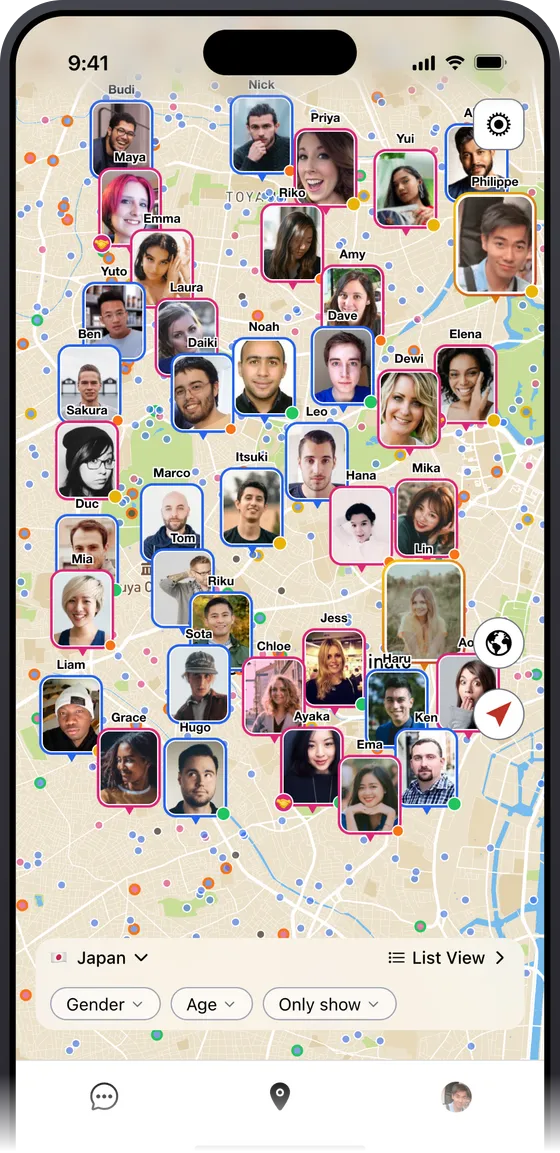
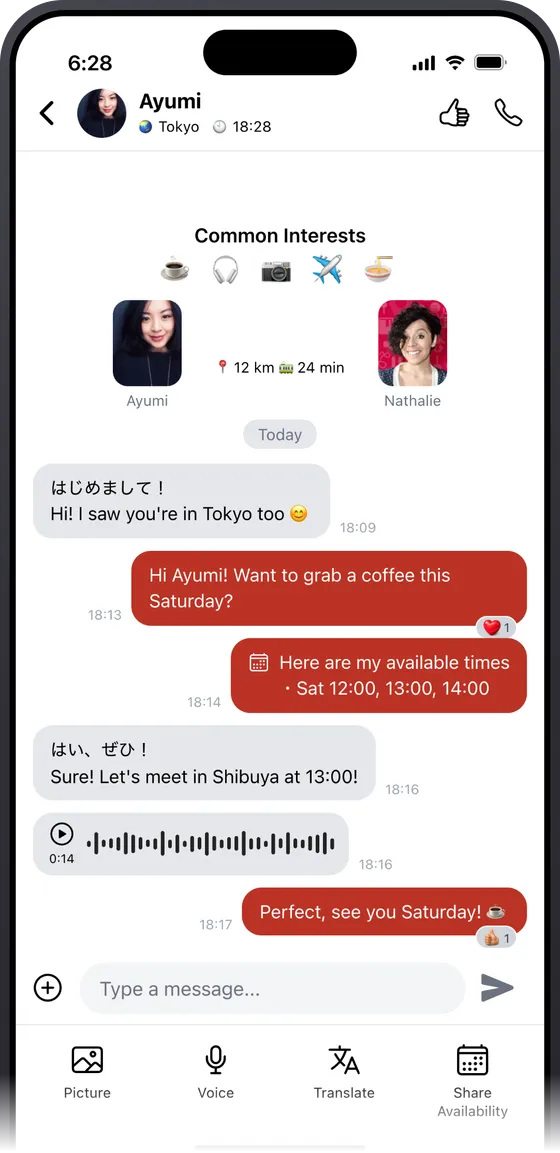
This is the gap SewaYou was built to close. It is a map-based friendship app that shows people near you and anywhere in the world, locals and fellow newcomers alike, so the person who knows which shelf to point at is someone you can actually message.
Make Japanese Friends On a Live World Map



Do Japanese people sweat less than other people? No. There is no good evidence that Japanese people sweat less. They tend to manage it more, with towels, wipes, cooling fabric and fans, so it shows less.
Why do Japanese people not seem to sweat? Habit and gear. Locals carry a handkerchief, change into cooling innerwear and wipe down often. Many also have a gene variant linked to milder body odor, which makes sweat less noticeable, not less frequent.
Do people in Japan use deodorant? Yes, many do. Deodorant is easy to buy in drugstores and convenience stores, alongside the body wipes and cooling sprays locals also use.
What helps most with sweating in Japan? Contact-cooling innerwear, body sheets, a small towel, a handheld fan, and for physical jobs a fan jacket. Asking a local which ones they actually use saves a lot of trial and error.
A real friend nearby is worth more than a perfect antiperspirant. They tell you about the fan jacket. They tell you which station has the good aircon. They tell you, the first time you apologize for sweating, to stop apologizing, because everyone here is doing the exact same thing.
You can survive a Japanese summer on grit and Daiso pads. It is so much easier with someone who already knows the map.
Download SewaYou and find the people near you who can actually help you live here, one small question at a time.


