

There is a moment a lot of people hit in their first months in Japan. You watch someone behave badly. Maybe a coworker keeps quietly dumping their tasks on you. Maybe two people are being cruel to someone at the next table. You say something. You are calm, you are polite, you are careful about it. And a few days later, you are the one getting pulled aside and told that your behavior was the problem.
It is a strange, lonely feeling. You were right, you handled it well, and somehow you ended up cast as the villain of the story. If that has happened to you, you are not imagining it, and you are not a bad person for being confused by it.

In a lot of Western cultures, calling out bad behavior earns you points. You spoke up, so people quietly line up behind you. Many people arrive in Japan expecting that same reflex, and it just does not come.
Here, an enormous amount of value sits on keeping the surface of a group calm. When you confront someone directly, even gently, the thing everyone notices is not who was right. It is that the smooth surface cracked, and you were the one holding the hammer. The bad behavior was quiet and deniable. Your response was clear and visible.
That is the part that blindsides people. The coworker who offloaded his work for weeks did it in small pieces nobody could point to. Your one honest sentence about it was the loud, visible event, which makes you the one holding the hammer. Fair or not, visible is what gets judged.
There is a second layer, and it is brutal when you have just arrived. The unspoken expectation for a newcomer is that you make yourself small for a while. You watch, you learn the room, you slowly earn the right to have opinions about how things get run.
The person you are up against usually has the opposite. They have been there for years. They know exactly which lines they can cross without anyone noticing, and they can often sense that a newcomer, especially a foreigner on a short contract, is an easy person to lean on. That imbalance is real. It is not something you invented in your head.
So you land in a trap with no clean exit. Say nothing, and it keeps happening and grows. Say something, and you break the one rule newcomers are quietly held to, which is to make yourself small. Neither choice feels fair, because neither one is.

Here is the thing almost nobody names. The confrontation itself is not what wears you down. What wears you down is going home afterward with no one to tell.
You replay it on a loop. Was I too harsh? Am I the difficult one here? Did I read the entire situation wrong? And there is no one nearby who can answer honestly. You do not have a local friend who can say, gently, here is what actually happened and here is what people around you heard. You do not have someone from your own background who can say, no, you were not crazy, that was genuinely out of line. You just have the loop, running alone at midnight.
That is the real cost of these moments. Not the bad coworker, but the silence you carry home. A confusing day in a new country is survivable. A confusing day with no one to decode it with is what slowly grinds people down.

The tempting response is to read ten articles on Japanese etiquette and try to become a perfect, silent, never-confrontational version of yourself. Please do not do that. It is not integration, it is erasing yourself, and it does not even work.
What actually helps is two kinds of people in your life, close enough to reach. The first is locals who like you enough to be honest, who will explain the unwritten rule you tripped over without making you feel stupid for missing it. The second is fellow residents who have lived the same thing, who can look at your story and tell you which part was culture and which part was just somebody being awful.
With those people around you, the same bad day changes shape. It stops being proof that you do not belong here. It becomes a story you tell over coffee, half frustrated and half laughing, while someone who understands fills in the parts you could not see. The answer was never a smoother script. It was people, not a rulebook.

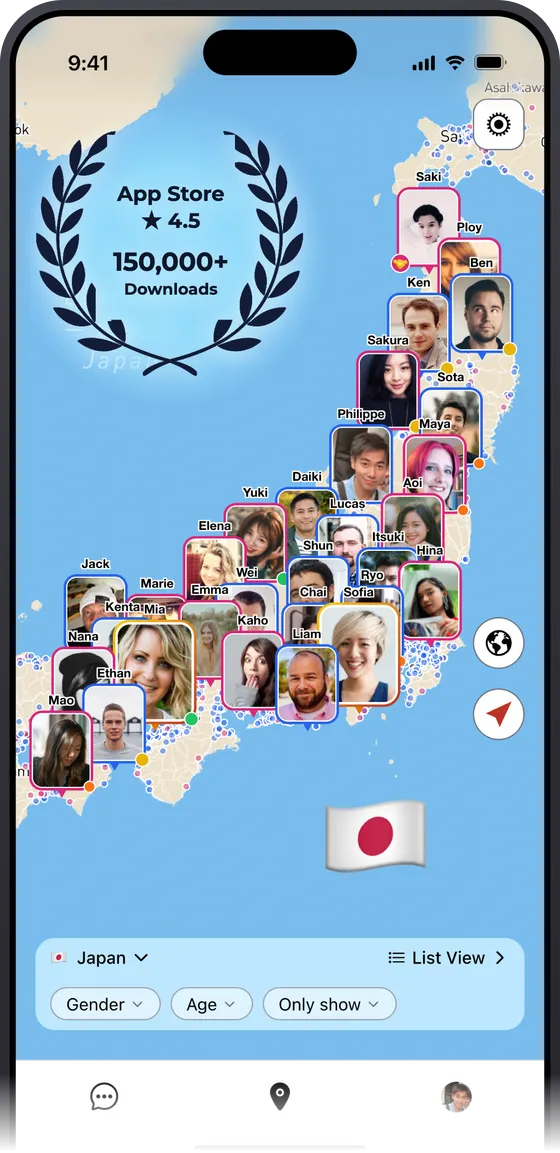
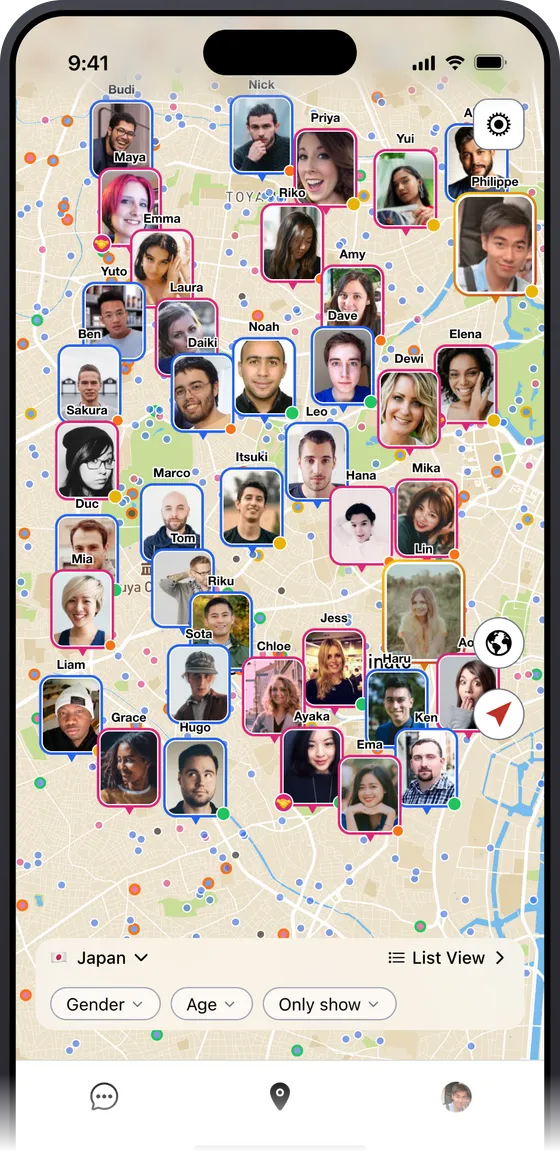
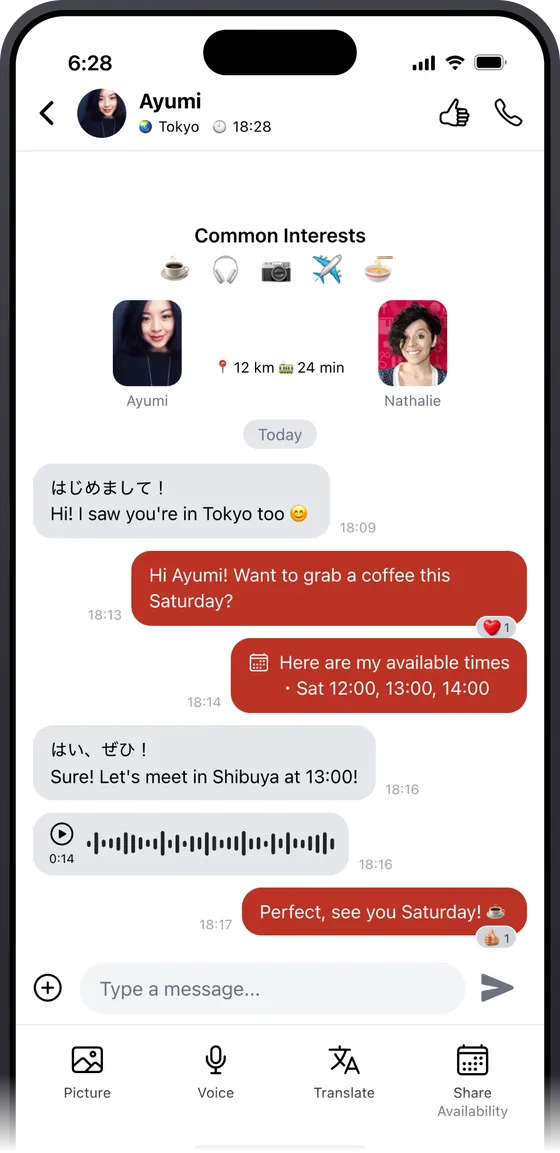
SewaYou is a map-based app that shows you real people near you who also want to meet new friends. You set the map to your own neighborhood and find locals and fellow residents who are genuinely close by, not usernames on the other side of the country. That mix is exactly the circle these moments call for. Some people who can explain the room, some who can remind you that you are not crazy, all near enough that you can actually meet them. A circle that reads both rooms.
Make Japanese Friends On a Live World Map


So the next time you stand up for yourself and somehow get cast as the problem, do not decide that you were wrong to speak, and do not decide to shrink into silence forever. Decide instead that you were missing your people. Tonight, set the map to your area, read a few honest profiles, and send two messages. The goal is not to win the next confrontation. It is to have someone waiting on the other side of it who understands exactly what you just walked through.
For breaking out of the trap of only ever knowing one small circle, How to Escape the Foreigner Bubble in Japan.
For keeping a hard workplace from quietly becoming your whole identity, Your Job in Japan Is Not Allowed to Be Your Whole Life.


