

A friend of mine has wanted to learn Korean for almost three years. She has not opened a single textbook. Every time the urge comes back she goes online, reads a thread of strangers explaining that you need "a real reason" to learn a third language, decides her reason is not strong enough, and closes the tab. She thinks Korean sounds beautiful. That is it. She has been told that is not enough, so she keeps not starting.
This is one of the most common patterns I see, and it is built on advice that sounds wise and is wrong. The "you need a solid why" school of thought has stopped more people from learning a language than laziness ever will. It dresses up survivor bias as life advice and then leaves the curious sitting on the bench.
Curiosity is not naive.

The forum wisdom goes like this. If you do not have a deep cultural connection, an academic plan, a heritage tie, or a concrete intention to move to the country, you will quit, so do not bother. Save your time. Wait until you have a real reason.
It sounds intelligent because it has a survivor-bias core. People who finished a language did, in fact, have a strong reason by the end. So forum readers conclude the strong reason is what made them finish. That is the wrong direction of cause. The reason did not power the journey. The journey produced the reason.
The advice quietly tells you that your curiosity is not legitimate, which is a strange thing for the internet to be doing to a stranger. Curiosity is the most common entry point adults have to anything new in their life. Nobody asks a person picking up tennis whether they have a solid why. They are allowed to just enjoy hitting a ball. Languages get held to a higher emotional bar than almost any other adult hobby, and the bar is invented.
I have asked a lot of people who eventually became fluent in a second or third language what their original reason was. Almost none of them had the noble cinematic version the gatekeeping post described. The honest answers are small. A song. A friend who switched to their language at a party and they felt left out. A weird boring summer. A class they took because the elective slot was empty. A travel trip that was supposed to be a week and turned into a curiosity that did not fade.
The "moved here for love" or "fell in love with the cinema of a country" versions exist, but they are a minority, and even they were already curious before the romantic story attached itself. The serious-sounding why arrived halfway through. By that point the person had already spent a couple hundred hours, made one or two friends in the language, and the reason had built itself out of those hours.
The why is built, not found.
The people who quit early are not the ones who started with weak reasons. They are the ones who started alone and never built anything to lose. Reason strength at the start is almost meaningless. Reason strength at month four is everything, and that one is downstream of who you have met.

Here is the deeper damage the advice does. It convinces curious people that the work of figuring out why they want to learn a language has to happen before they start. So they sit with the question, fail to find an answer that feels worthy, and never begin. A year passes. The same impulse comes back. They sit with the question again.
This is how a decade of "I always wanted to but never had a real reason" gets burned. Not by trying and quitting. By never starting at all because the entry exam was set higher than the actual hobby requires.
The honest entry exam is much smaller. Do you find the language interesting enough to give it thirty minutes a day for two weeks. That is it. If yes, start. If after two weeks you are bored, stop, no shame. If you are still curious, keep going and let a real reason find you while you walk.
The reason that holds a language in your life almost never sounds like the reason you would post on a forum. It is small and personal and slightly embarrassing to say out loud. It is the friend you can now joke with in their language. The cafe owner who remembers your face because you keep coming back and trying. The grandparent whose voice notes you can finally understand without asking your partner for help. The person you met on Saturday who you do not want to disappoint by being a beginner forever.
None of those reasons exist before you start. You cannot choose them in advance. They show up after the fact, attached to specific people in specific places, and they hold the hobby in your life with a strength no abstract goal ever matched.
This is also why the "I want to live in Japan eventually" reason often fails to actually produce fluency. It is too big and too far. It does not generate a thirty-minute session tonight. The friend who is meeting you for coffee on Saturday does. The why that works is the why that fits inside this week.

If your honest motivation right now is just "I think this language is interesting," that is enough to start. Do not escalate it into a manifesto. Do not compare it to someone else's heritage story. Do not interview yourself about whether you are serious. Just give the curiosity thirty minutes a day and, more importantly, point it at a person as fast as you can.
The single thing that converts weak curiosity into a hobby that sticks is a human on the other side of it. Not a class of twenty. Not a tutor on a clock. A person who finds your country, your job, your sense of humor, or just your face on a Saturday afternoon worth one hour a week. That hour is what gives all the other hours their meaning.
Start with curiosity, anchor with a person.
A lot of people skip this part because it feels backwards. They think they have to be good at the language before they deserve to meet anyone in it. The opposite is true. You have to meet someone in it to ever get good. The relationship comes first; the fluency catches up.
The risk is waiting for the perfect reason and burning years. The "I want to be sure before I commit" instinct is generally a good one in adult life, but for hobbies that live or die on curiosity, it is the actual failure mode. You will not find a solid why sitting in a forum thread asking whether your why is solid enough. You will find it on a Tuesday in month four, when someone in the language says something kind to you and you understand it in real time without translating in your head. That moment is the why. It does not exist before you start.
The reason arrives later.
So if you are sitting on a curiosity right now and the only thing stopping you is the suspicion that your reason is not solid enough, please read this as permission. It does not have to be solid. It has to be real, and curiosity is real. Start with what you have. Find a person. Let the rest build itself.

If your curiosity has been waiting for permission, here is the unglamorous truth about what happens after you give it permission. You will study a little. You will be a beginner for a while. The thing that decides whether you stay one is whether you have a person in your week who makes the next session feel like prep instead of homework.
Make Japanese Friends On a Live World Map
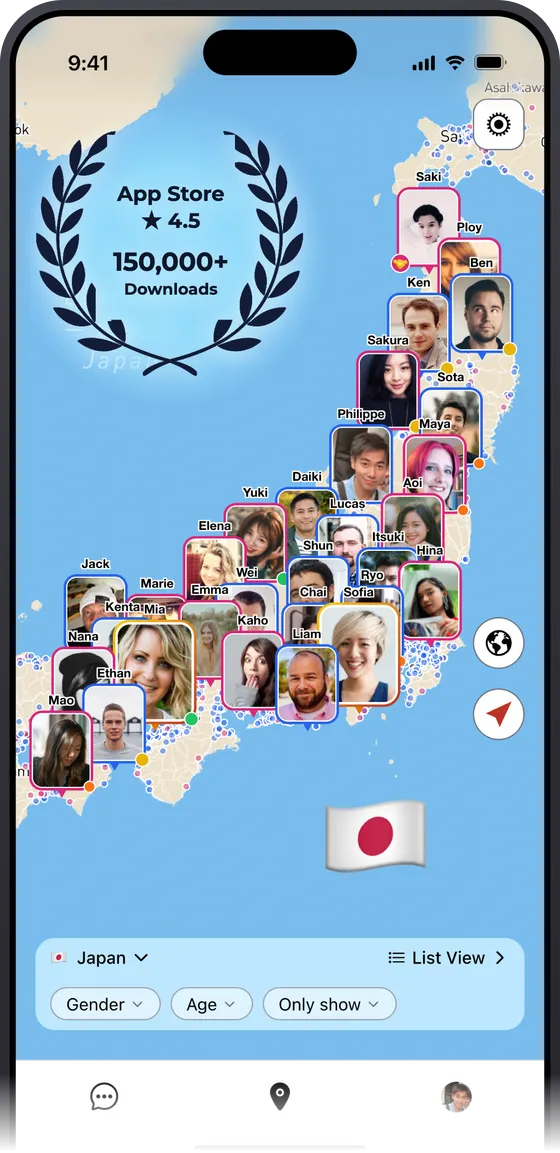
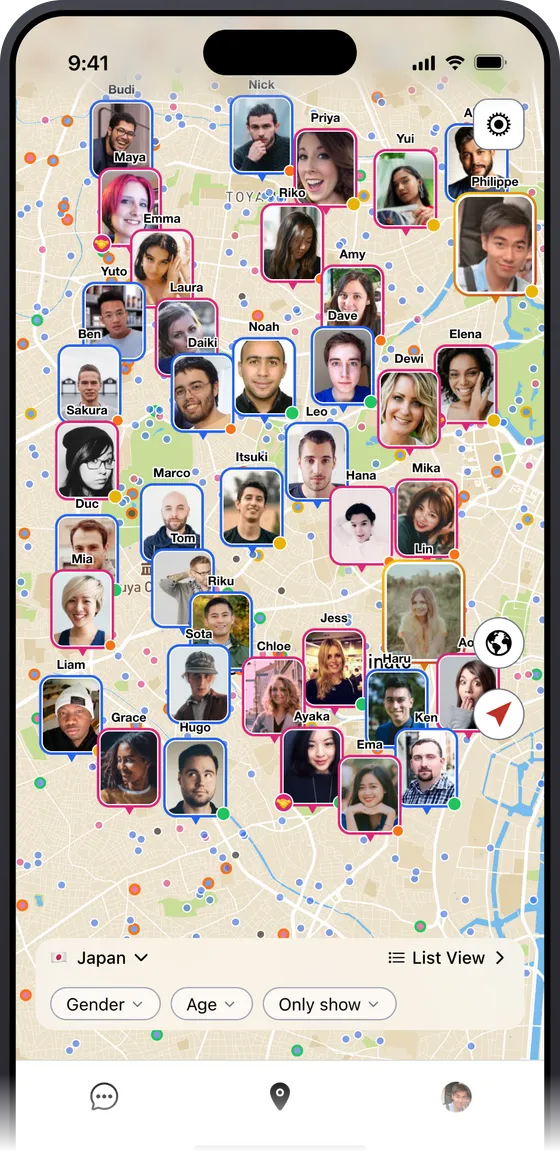
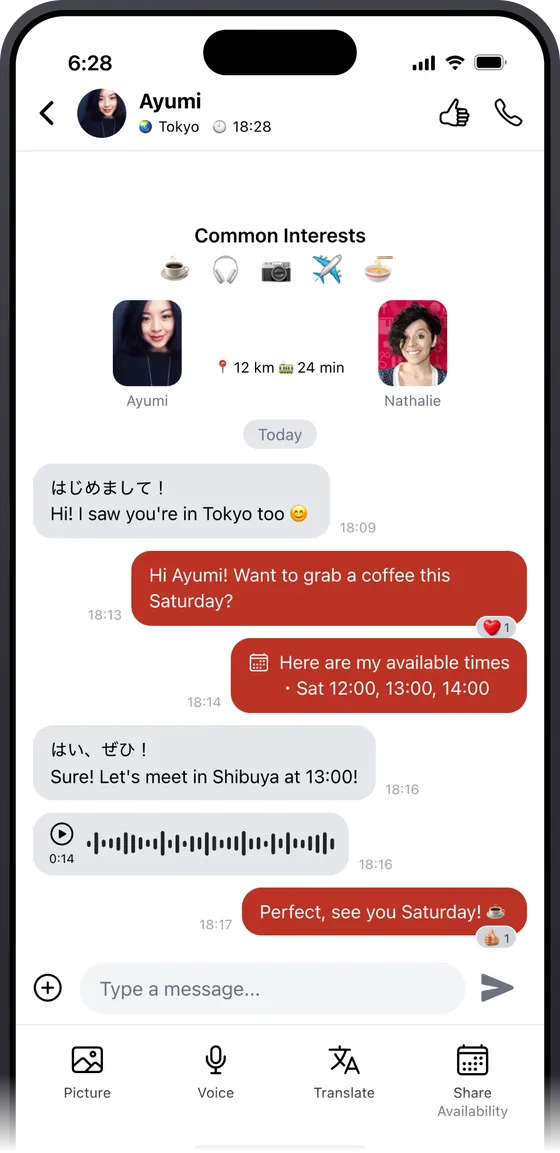


SewaYou is a map-based app for finding people near you who actually want to meet in person. Locals who are open to a foreign friend, foreigners who want to meet someone local, both opting in upfront. You can explore anywhere on the world map. For practice in person, focus on your city to find someone who could sit across a table from you, ask about your week, and become a reason to keep showing up to the language.
You do not need a solid why. You need a first sentence and a person to say it to.


