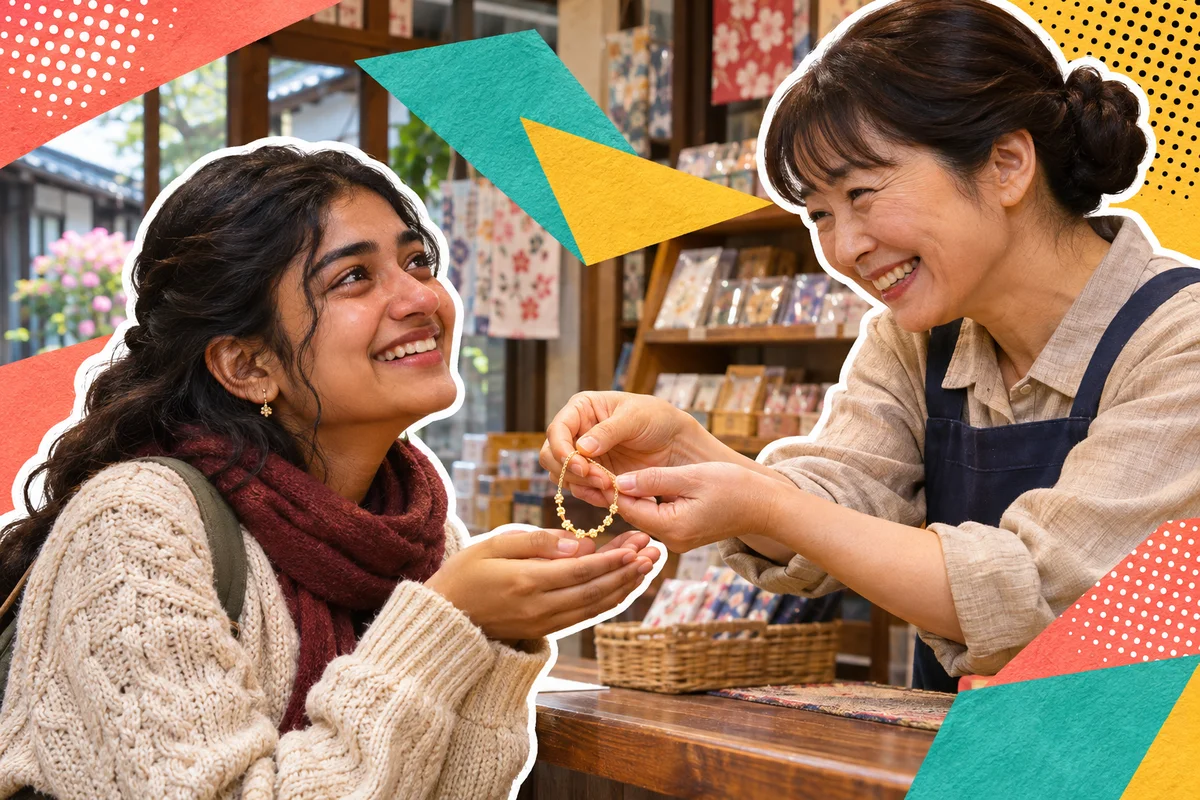
Before you moved to Japan, someone probably warned you. A cousin, a friend of a friend, a stranger in a group chat. Japanese people are cold. They don't want foreigners here. You'll be lonely and nobody will talk to you.
Then you arrive, and a security guard waves at you every morning. An old woman at the bus stop asks where you're from and keeps talking even though you only understand half of it. A cashier remembers you.
Nobody warned you about that part. And in my opinion, that's a problem, because the stories you carry in shape the life you build here.
Bad experiences are real. Discrimination exists in Japan, like it does everywhere, and nobody should pretend otherwise. But think about which stories actually travel.
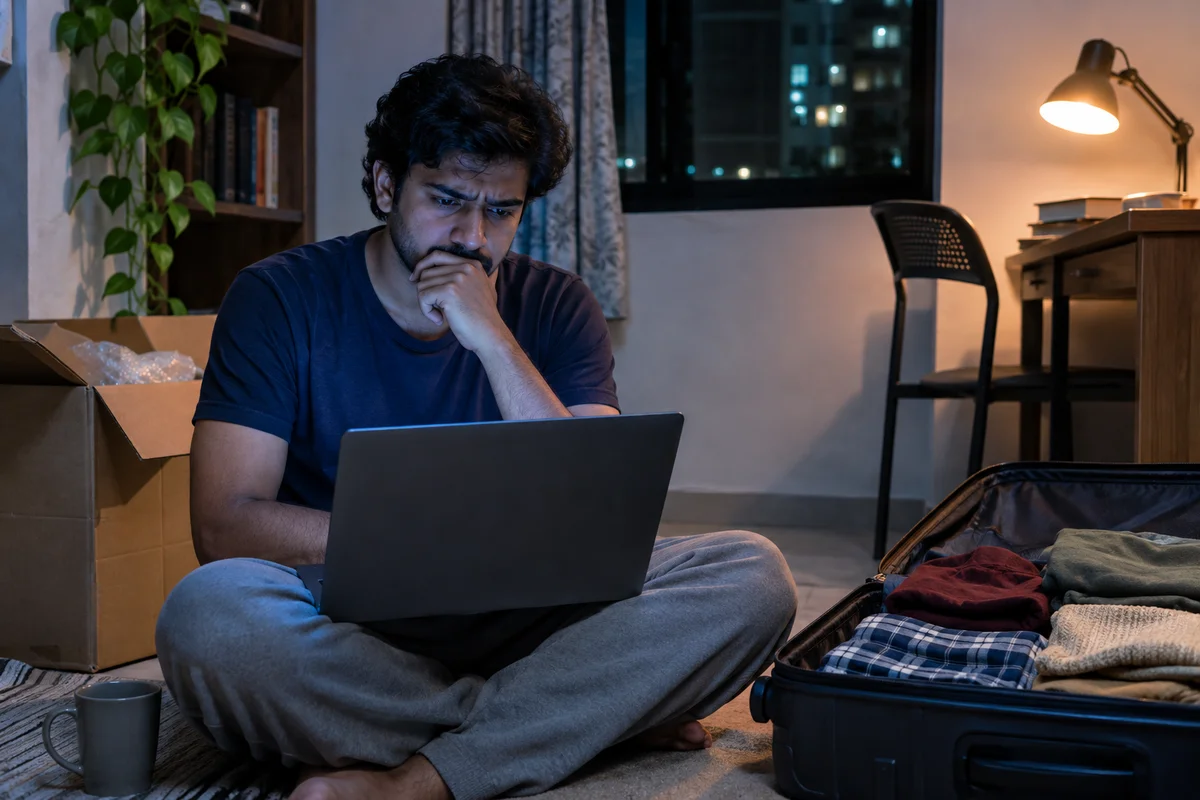
"A stranger was rude to me" makes a great story. "A stranger was nice to me" doesn't. So the warnings pile up, and the quiet good days never get told. By the time you land, you've heard ten bad stories for every good one, and it feels like an accurate picture.
Here's the part people don't say out loud: sometimes the unkindness comes from closer to home. Plenty of foreigners find that the sharpest judgment they face comes from their own community, over accent, region, religion or class, not from the locals. And sometimes the people who complain the loudest about Japan treated the locals pretty badly first.
None of that cancels real discrimination. It just means secondhand stories are not your life. You get to find out for yourself.
One thing surprises a lot of newcomers: the people most likely to start a conversation are often not young Japanese people your age. They're the older ones.
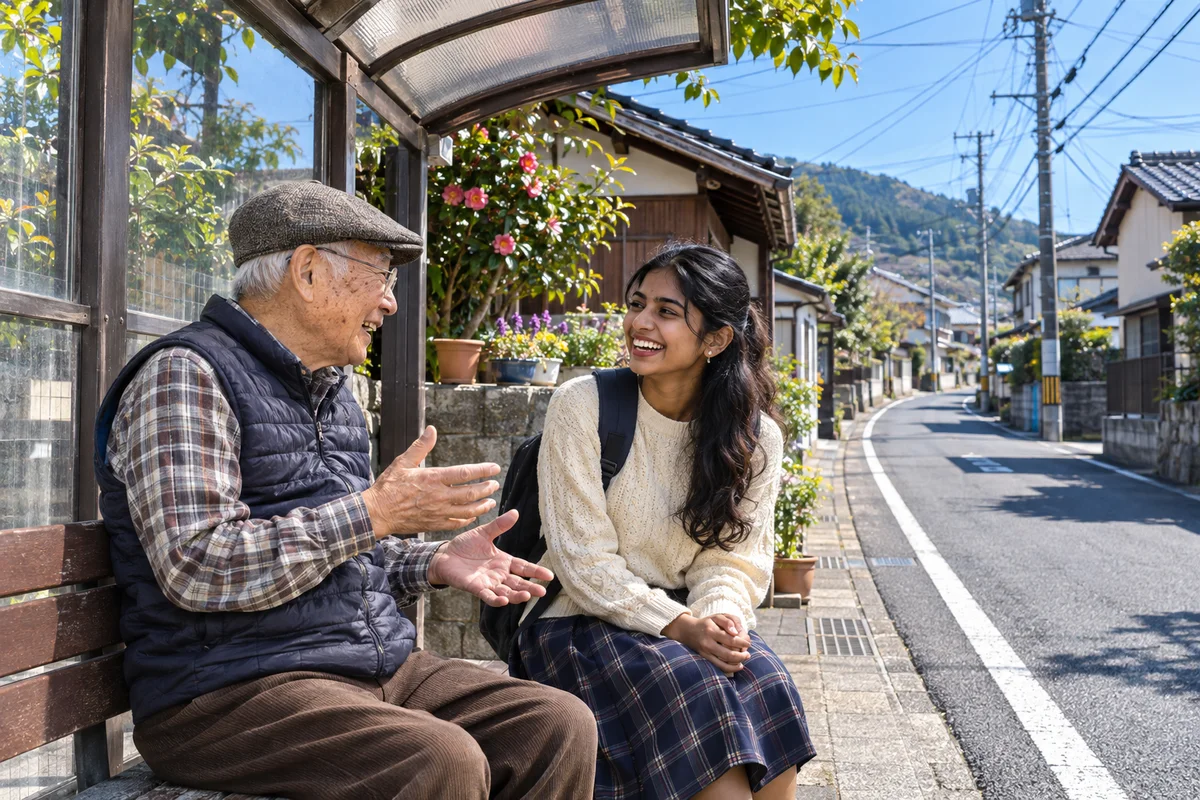
The grandpa on the park bench. The construction worker on a smoke break. The neighbor sweeping her doorstep. They ask simple questions, they speak slowly, and they don't seem to mind if your Japanese is a mess.
Why? I can only guess. Maybe they have more time. Maybe they're curious. Maybe they're a little lonely too. Whatever the reason, these little chats are worth more than they look.
They're practice without pressure. They're proof that you're seen. And on a bad week, a two-minute talk about the weather with someone's grandmother can be the thing that quietly makes your whole day.
So say hello back. Learn three questions to ask in return. "Do you live around here?" goes a long way.
Ask foreigners in Japan for a story about losing something, and a surprising number of them end with "and then I got it back." A wallet left on a train seat. An umbrella. A bag forgotten at a café.
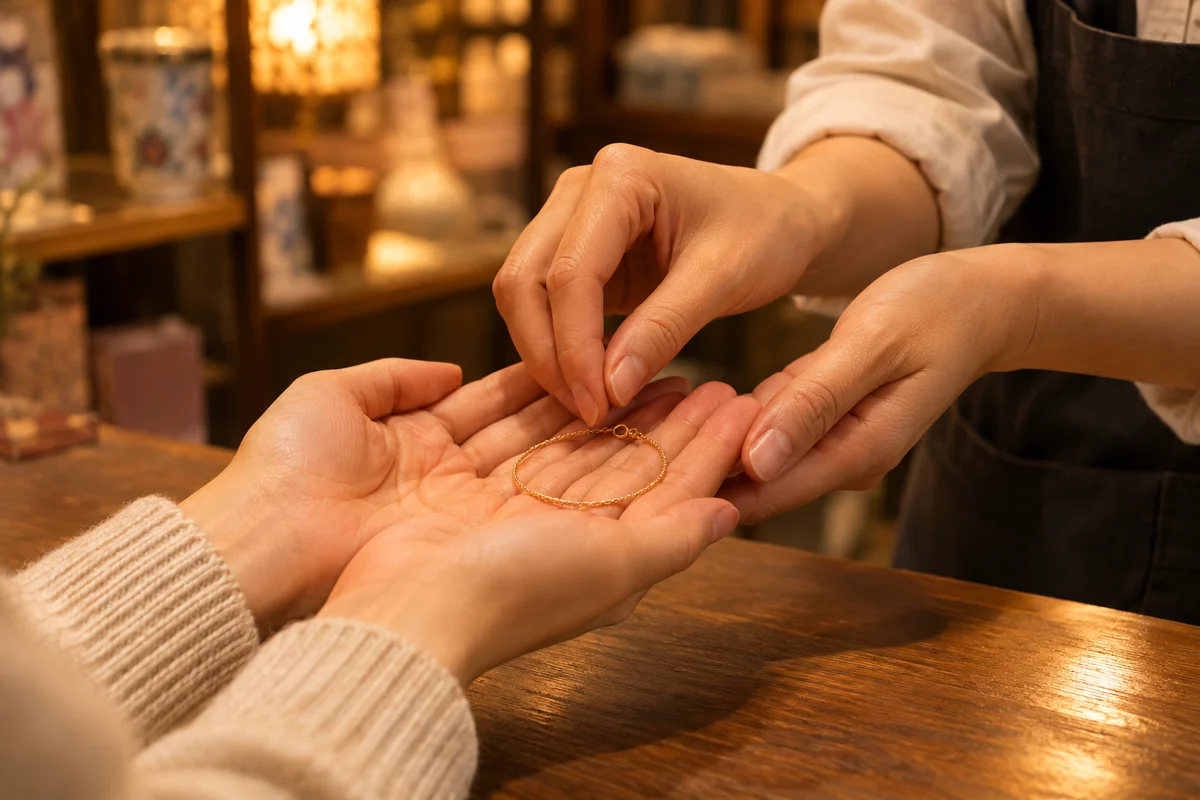
Picture losing something that can't be replaced, like jewelry from a grandparent who has passed away. You go to the police box, file the report, and start checking the shops you visited yesterday. At the third one, the cashier recognizes you before you open your mouth and hands it over. She just kept it safe.
It isn't guaranteed. Things get lost for good in Japan too. But moments like that change how you move through a place. You stop bracing for the worst. You start trusting the people around you. Over time, trust is what turns a city into home.
A small tip if it happens to you: people often refuse a thank-you gift, saying they didn't really do anything. That refusal is usually politeness, not rejection. A sincere thank-you, said clearly, is often what they remember most. And if you leave a small box of sweets anyway, nobody will mind.
Here's the honest catch. You can have a wonderful life full of friendly strangers and still go home every night with nobody to text.
The guard waves. The old man chats. The cashier smiles. And then you eat dinner alone. That gap confuses a lot of people. If everyone is so kind, why is it so hard to make actual friends?
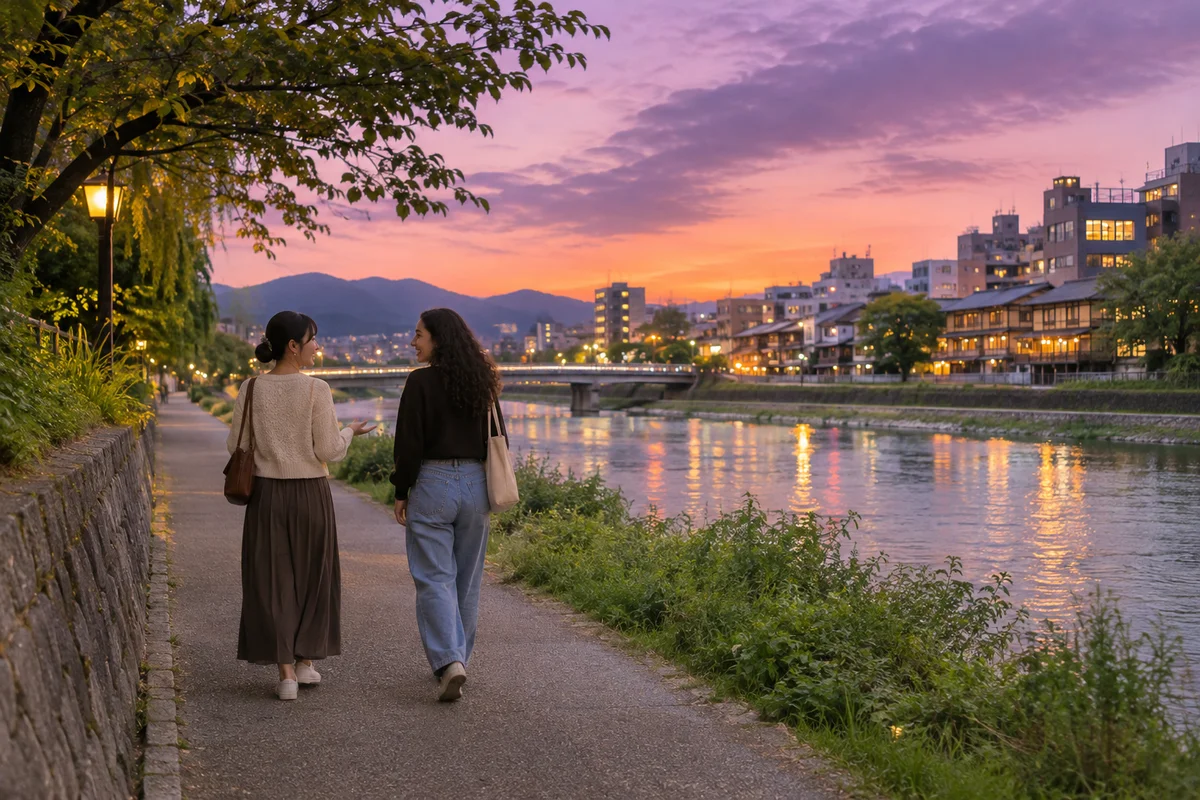
Because kindness between strangers has a natural ending. The conversation finishes, the bus arrives, the bracelet goes back on your wrist. Friendship needs a second meeting, then a third. Somebody has to make the jump from "nice moment" to "want to grab coffee on Saturday?"
That jump is easier than it sounds when you treat the small kindnesses as a starting point, not a finish line:
That last point is exactly why we built SewaYou. It's a map-based friendship app that shows you people nearby, locals and other newcomers, who are open to meeting. It also works anywhere in the world: you can explore another city or country from home, make friends online without any travel plans, or connect with people before a trip and meet them when you arrive.
Make Japanese Friends On a Live World Map


It doesn't replace the grandpa at the bus stop. Those moments are the best part of living somewhere. It just helps with the next step, finding people who want a second and third meeting too.
So next time someone sends you a Japan horror story, sure, listen. Then go out and collect your own. Count the guard who waves, the stranger who tries to talk, the cashier who kept your bracelet safe. You might find the country you were warned about isn't the one you actually live in.
SewaYou is a map-based app for meeting people nearby and anywhere in the world. Open the map, see who's around, and turn the small kindnesses into real friendships.