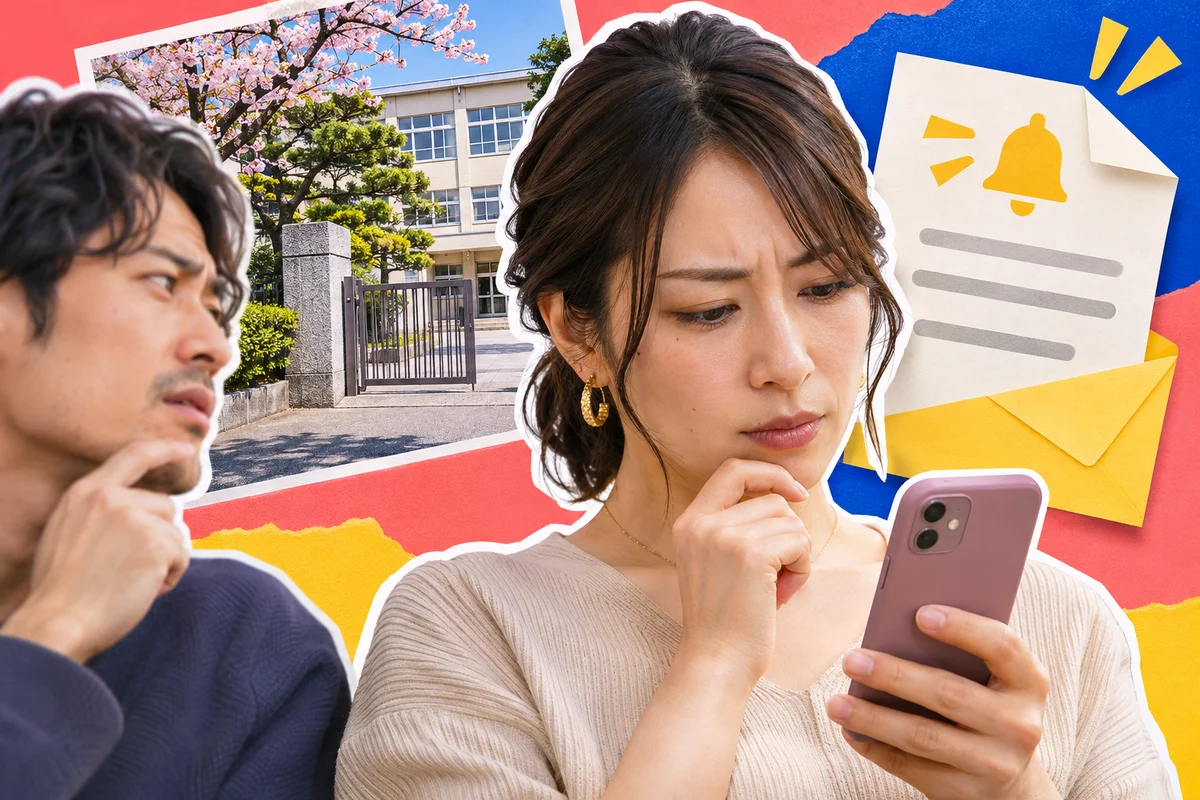
You're sitting next to your partner. Their phone lights up on the table. It's a notice from the elementary school down the street, something with "PTA" in it.
Your partner has no kids. At least, that's what they told you. And now your brain is writing a whole drama series before the screen even goes dark.
I've watched this exact spiral happen to foreigners in Japan, and I've felt versions of it myself. Not with a school, but with a message, a name, a reference I didn't understand. Living in a second culture makes small mysteries feel huge. So let's slow down and look at what that notification can actually mean.
Back home, you'd probably have a decent instinct for this. You know how schools contact people, who ends up on which mailing list, what's normal and what's weird.
In Japan, a lot of that instinct is gone. You might not read the full notice. You might not know how neighborhoods, schools and local governments overlap here. And if your partner is your main link to Japanese daily life, there's nobody else to quietly ask, "Is this normal?"
That gap is where anxiety moves in. Not because your partner did anything, but because you have no reference point. Missing context feels a lot like suspicion.
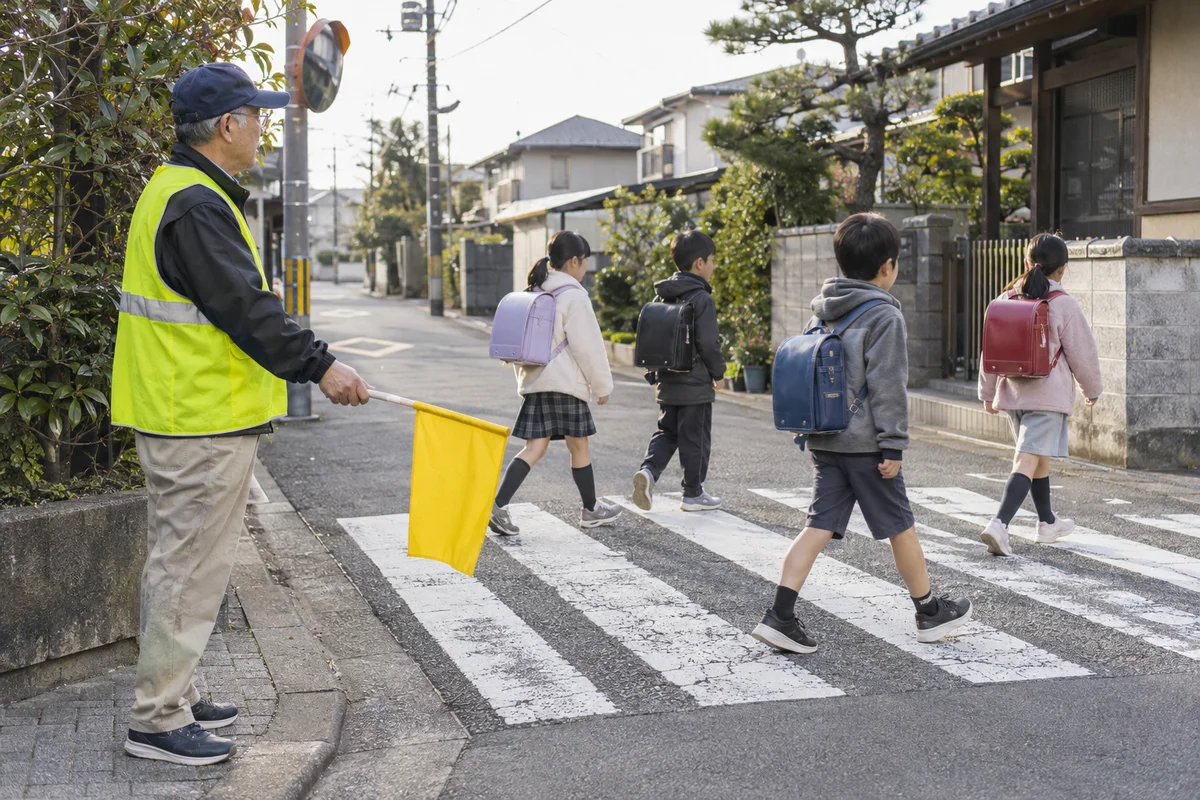
Here's the part that surprises a lot of people: in many Japanese neighborhoods, schools are woven into community life in a way that reaches well beyond parents.
A few common, completely mundane reasons someone without children might get a school-related message:
Does any of this rule out that your partner is hiding something? No. A previous marriage, a child they haven't mentioned, that's possible too, and it would matter. But one notification is not evidence. It's a question.
The worst move is to sit on it for weeks, building a case in your head. The second worst is opening with "Who's the kid?"
Try something closer to this: "Hey, I saw a notification from the elementary school pop up. I didn't know you were connected to the school. What's that about?"
That's it. Curious, direct, no trap. A calm question gets an honest answer far more often than an ambush does.
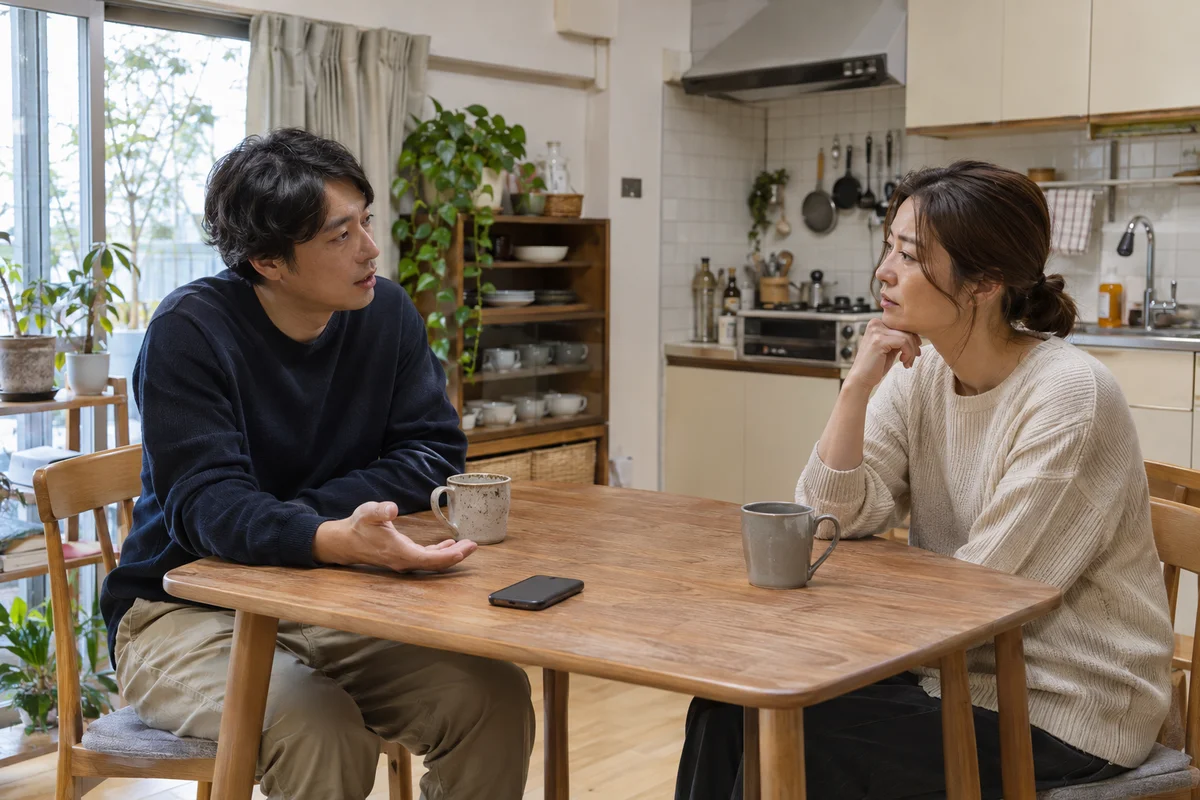
Then pay attention to the response, not just the words. A real answer usually comes easily: "Oh, that's the neighborhood safety mail," or "My sister put me down as an emergency contact." If you get irritation, a vague brush-off, or a story that shifts each time you bring it up, that tells you more than the notification ever did.
And if the honest answer is something bigger, like a child from a past marriage, you still deserve to hear it from them. How they handle that conversation says a lot about the relationship you're actually in.
Here's what I think this situation really exposes. When your partner is your only window into Japan, every cultural question becomes a relationship question.
You can't ask how PTA works without it sounding like an interrogation. You can't check whether something is normal without it feeling like you're doubting them. That's a lot of weight for one person to carry, for both of you.
Having your own people here changes everything. A Japanese friend who can tell you, "Oh yeah, my uncle gets those school emails, he does the morning crossing patrol," saves you a week of spiraling. Another foreigner who has been through the same confusion can tell you which questions are worth asking and which ones aren't. Your own friends make you a calmer partner.

None of this means you outsource trust to strangers. It means you get the cultural context from somewhere other than the person you're unsure about. That's healthier for you, and fairer to them.
If most of your social life in Japan runs through your partner, it's worth fixing that, whatever the school notice turns out to be.
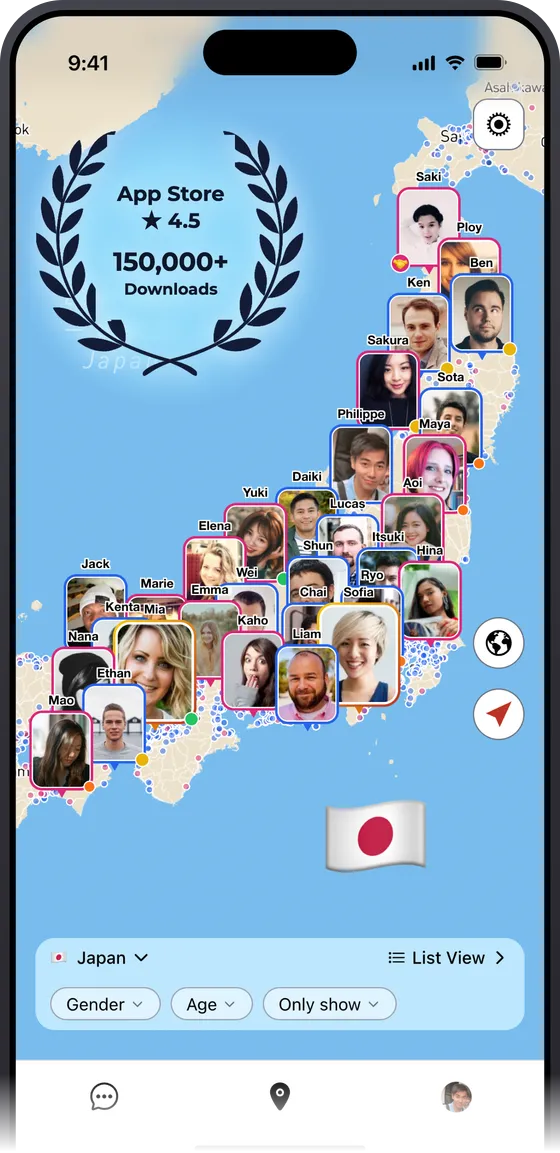
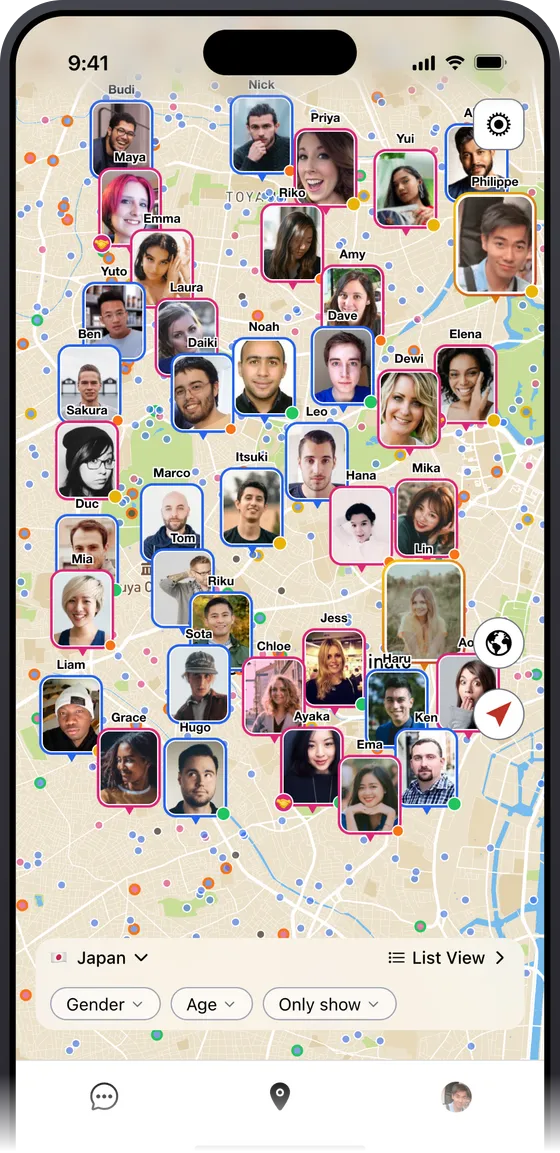
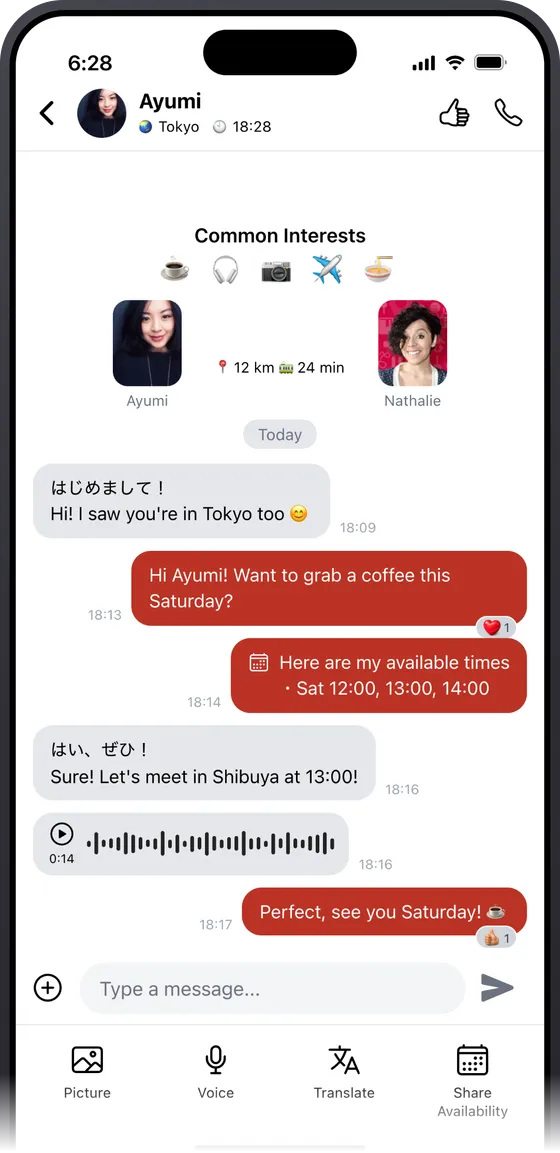
SewaYou is a map-based friendship app for meeting people nearby and anywhere in the world. Open the map and you can find Japanese locals and other internationals around your neighborhood who are also looking for friends, the kind of people you can grab coffee with and ask, "Wait, is this a normal thing here?" You can also make friends online in another city or country from home, stay close to people back home, or get to know people in a place before you travel there.
Make Japanese Friends On a Live World Map


If you want more on this, read about why gaslighting only works in isolation and how expat partners can build a life beyond the bubble.
A school notification on your partner's phone is far more likely to be neighborhood life than a secret family. But you don't have to guess. Ask once, calmly, and listen to how the answer comes back.
And while you're at it, make sure your partner isn't the only person in Japan you can ask. A few friends of your own turn scary mysteries into "oh, that's just how it works here."
Want people to ask "is this normal?" SewaYou is a map-based friendship app for finding people nearby and anywhere in the world. Meet locals and other internationals in your area, or make friends online in a country you're curious about from home. Download SewaYou and start building a circle of your own.