
You worked for this year. You saved, studied, filled out forms and imagined the friends you would make. Then you landed in a small town in the mountains, and the life you pictured never quite arrived.
Your classmates are polite but busy. Your invitations get a soft "maybe next time." Meanwhile, exchange students placed in big cities post photos of karaoke nights and weekend trips. You start wondering whether the whole year was decided by one line on a placement form.
I have watched this pattern play out many times, and I want to say something clearly first: you are not failing at friendship. You are using a method built for cities in a place that works differently.
In a big city, the numbers are on your side. There are more schools, more shops, more niche hobbies, and more people who already chose to be a little different. Someone in your class probably skates, draws, collects vinyl or plays in a band. Matching on shared interests works because there is a big pool to match from.
In a small town, the pool is smaller and the rhythm is different. A lot of teenage life runs through school clubs, family obligations, cram school and long commutes. When a classmate turns down a random weekend plan, it often has less to do with you and more to do with a schedule that was full before you arrived.
That does not make your envy wrong. It is completely understandable. But comparing your year to a city student's year is like comparing two different games. The scoreboard is not the same.
Here is the shift that tends to help most in rural Japan: friendship rarely starts with an invitation to "hang out." It starts with repetition. You see the same people, in the same place, doing the same thing, week after week, until talking becomes easy.
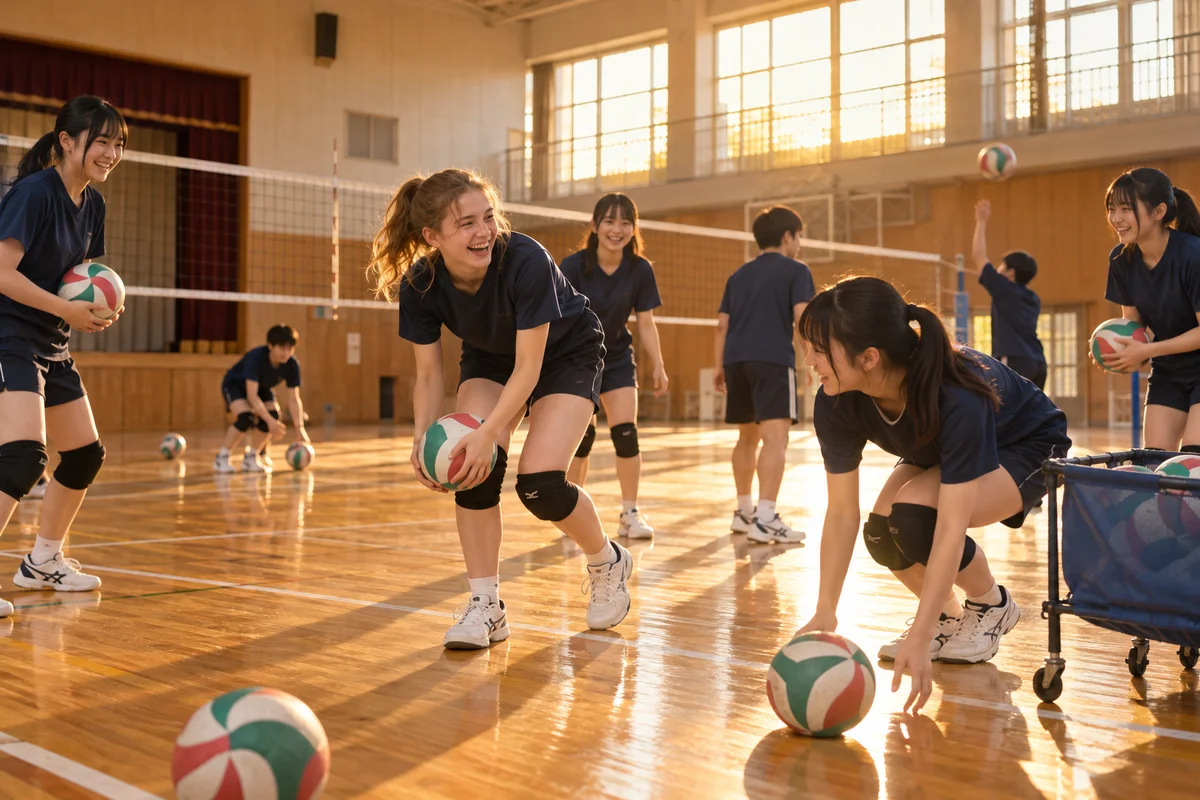
In a Japanese school, that place is usually a club. If you have not joined one, or picked one only to fill a slot, look again. Brass band, track, art, calligraphy, volleyball, tea ceremony, it barely matters. What matters is that you show up after school with the same group and share small struggles: a hard practice, a tournament, a cleanup.
Outside school, the same rule applies. A weekly volunteer shift, a community dance practice for a local festival, a sports group at the town gym, a café where you become a regular. These are not exciting on paper. They work because side-by-side beats face-to-face when people are shy, and both you and your classmates probably are.
It is easy to decide that nobody around you is interesting. No unusual fashion, no visible hobbies, just school and study. But in a place where standing out can feel risky, interests often stay hidden until people trust you.
The classmate who seems to only care about baseball may know every song from an obscure anime. The quiet girl in the back may draw every night. You usually learn this later, after a few weeks of ordinary conversations about homework, lunch and the weather.
So instead of asking "what are your hobbies?" try smaller, lower-pressure questions. What did you watch last night? What do you usually eat on weekends? What is that keychain from? Small questions give people an easy way in, and in a small town, slow is how trust works.
Many exchange students in quiet towns end up studying Japanese for hours every day. It feels productive, and it fills the empty time. But it can quietly become a wall. Every evening at your desk is an evening nobody can invite you anywhere.
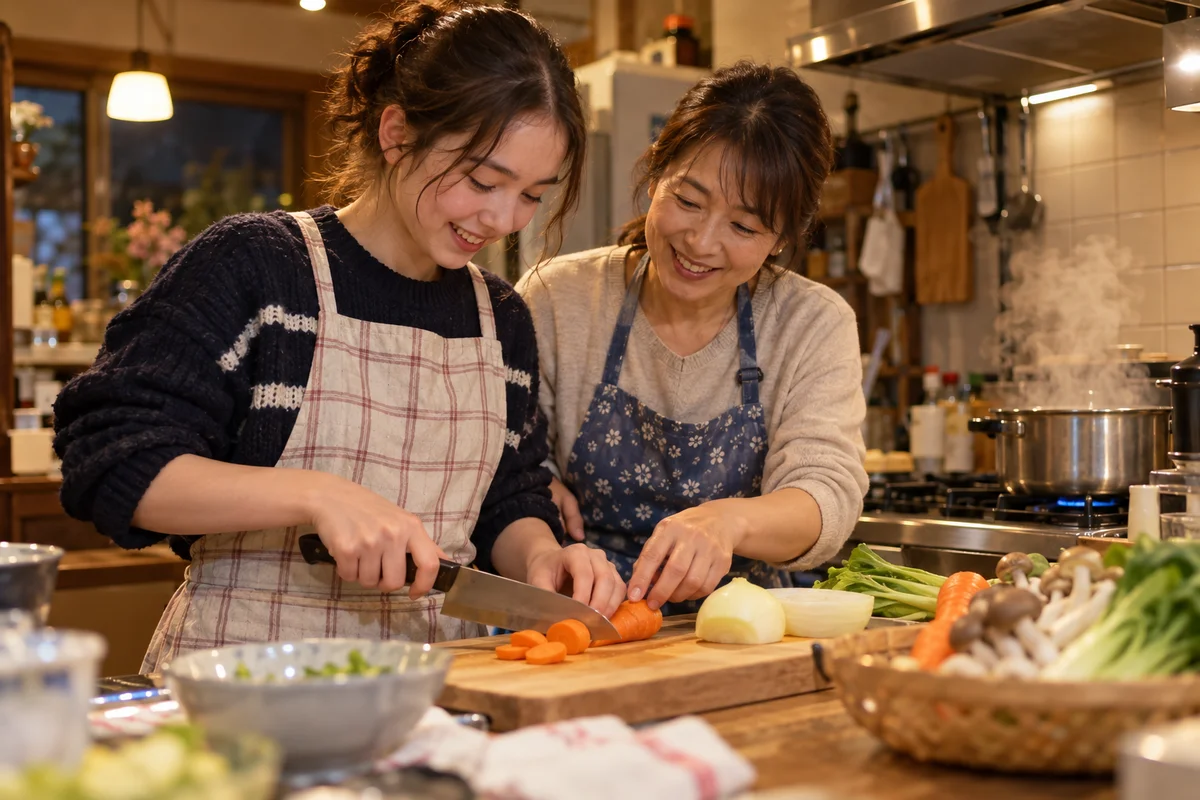
You do not have to stop studying. Try moving some of that time into places where Japanese is spoken around you: helping your host family cook, watching TV with them, joining a local event even if you only understand half. Listening to real people in a real room is study too, and it gives people a reason to remember you.
Your host family matters more than it may seem right now. They are often the most connected people you know in town. Telling them honestly that you would like to meet more people can open doors you would never find in an event listing: a cousin your age, a neighbor's festival group, a weekend job at a family friend's shop.
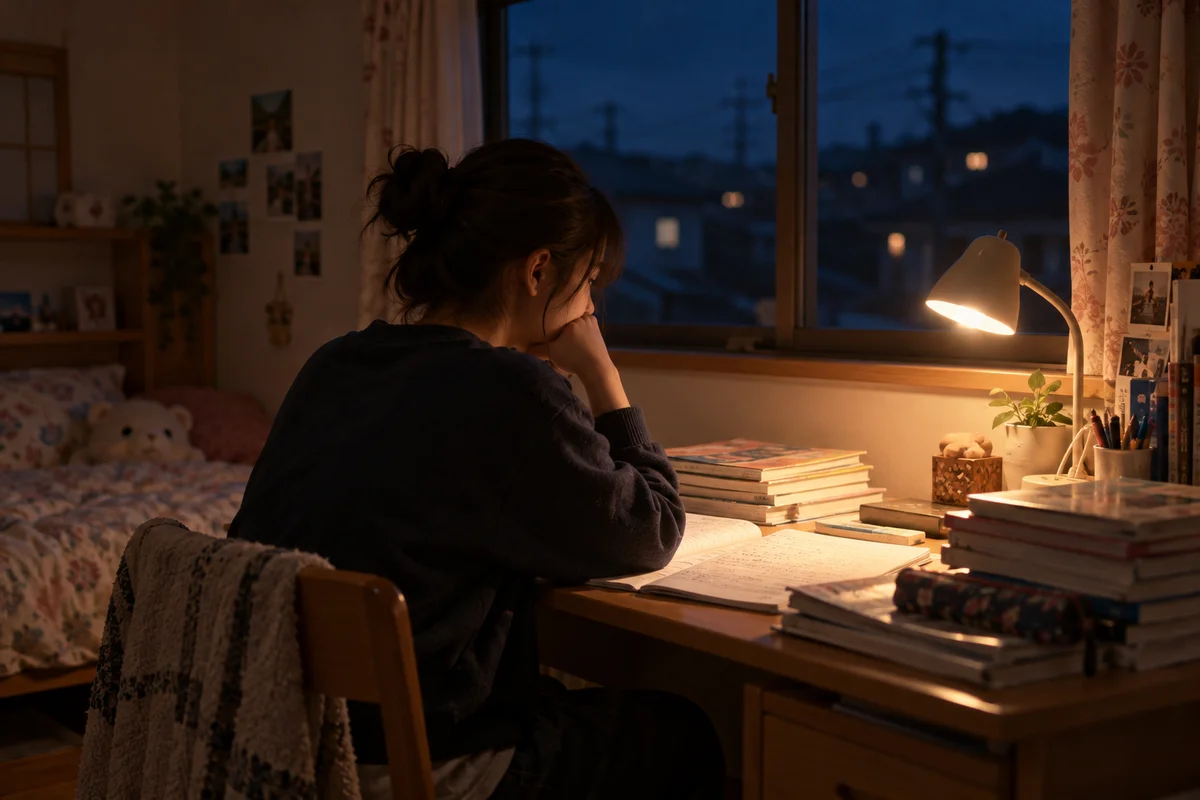
Some of what comes with a hard placement goes beyond loneliness. Constant effort with little return, no one to talk to, feeling like you are wasting the most important year of your life: that is a heavy load, especially if social situations already take extra energy for you.
Please do not carry it alone. Your exchange organization has a local coordinator or counselor whose job is exactly this. Tell them how you feel, in plain words, not in a polite "everything is fine" version. Talk to your parents or friends back home regularly. If you have a school counselor, use them. Asking for support is not a sign the year is going badly. It is part of doing the year well.
A small town does not have to mean a small world. Some of your best connections this year may start online: other exchange students in nearby prefectures, people in a bigger city you plan to visit once you can afford the trip, or people elsewhere in the world who share the interests you cannot find locally.
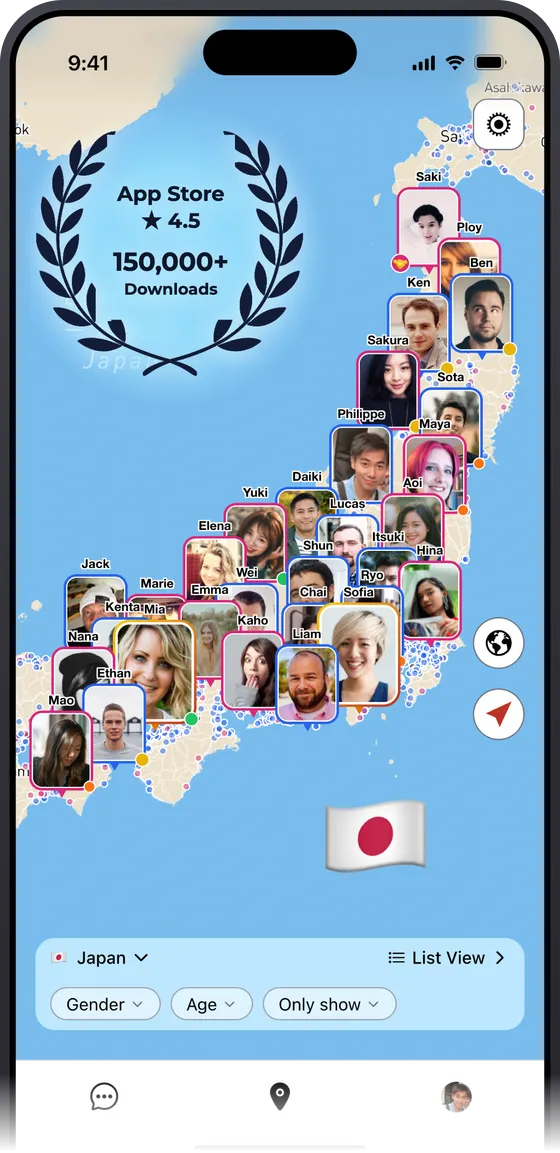
That is where SewaYou can help. It is a map-based friendship app for finding people nearby and anywhere in the world. You can see who is around your area, explore another city or country from home, make online friends without any travel plans, connect before a trip, and meet in person when you happen to be nearby. There are filters to narrow things down, and as with any app, take normal safety steps: meet in public places and tell someone you trust where you are going.
Make Japanese Friends On a Live World Map
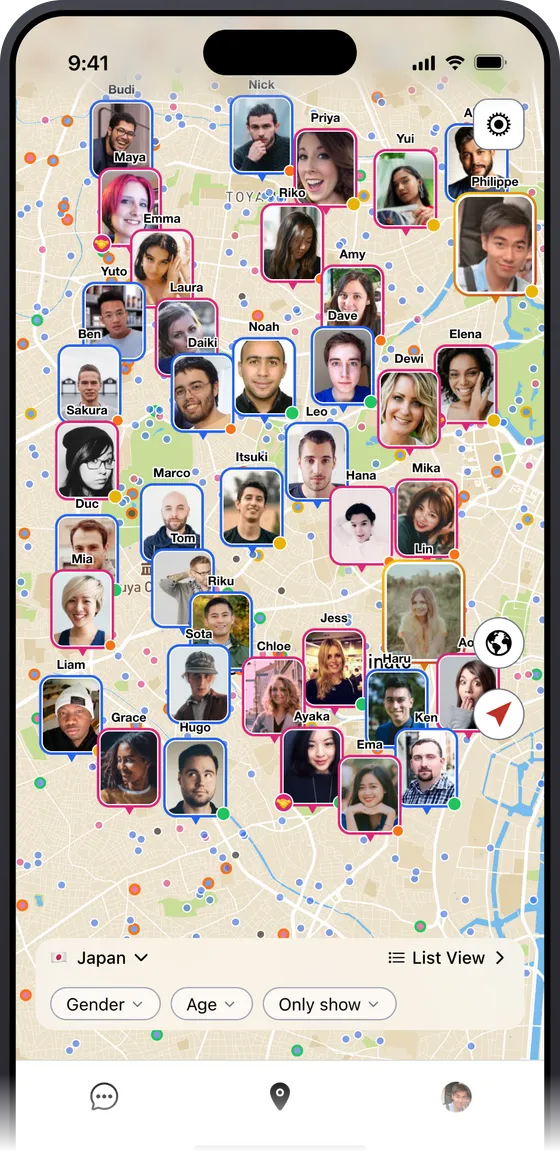
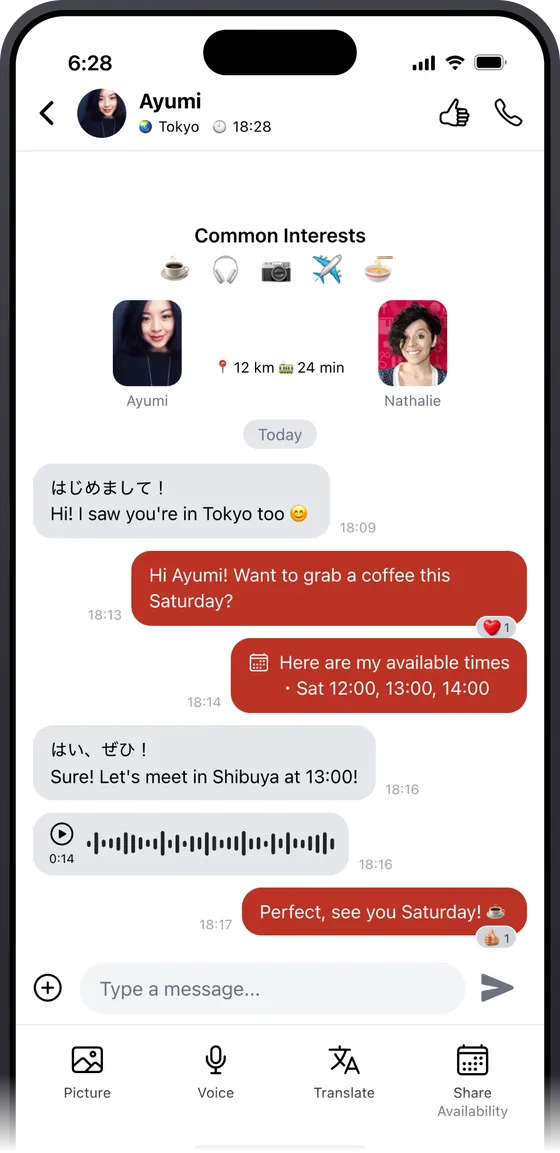


Even a few good conversations a week with people who share your interests can take the pressure off your town. You stop needing every classmate to be your perfect match, which oddly makes it easier to enjoy the classmates you have.
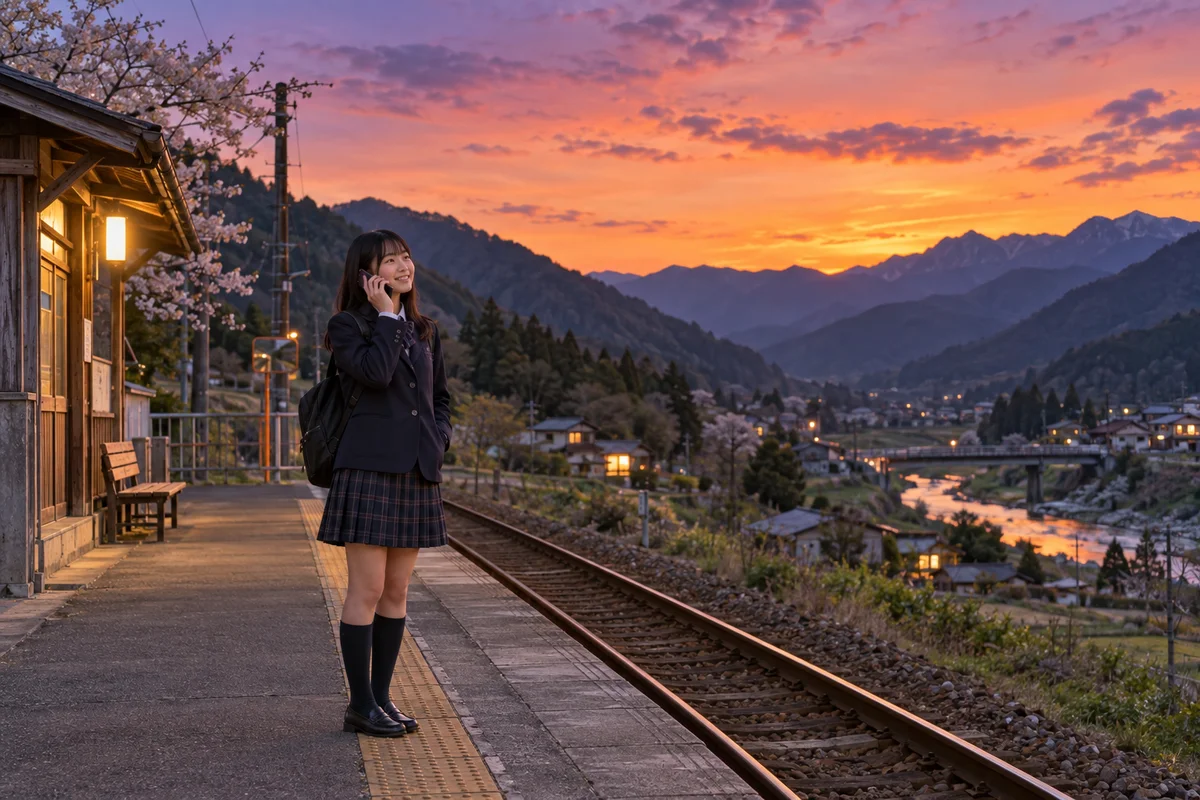
A rural placement asks for a different kind of patience. Friendships come later and start smaller, but they are often deeper, because nobody had a hundred other options. In my experience, the quiet-town host families and club teammates are often the people exchange students stay in touch with longest.
You still have months ahead. Join something that meets every week. Ask your host family for help. Talk to your coordinator. And find your people beyond the town, too. If you want a place to start, download SewaYou and see who is out there, close by and far away.