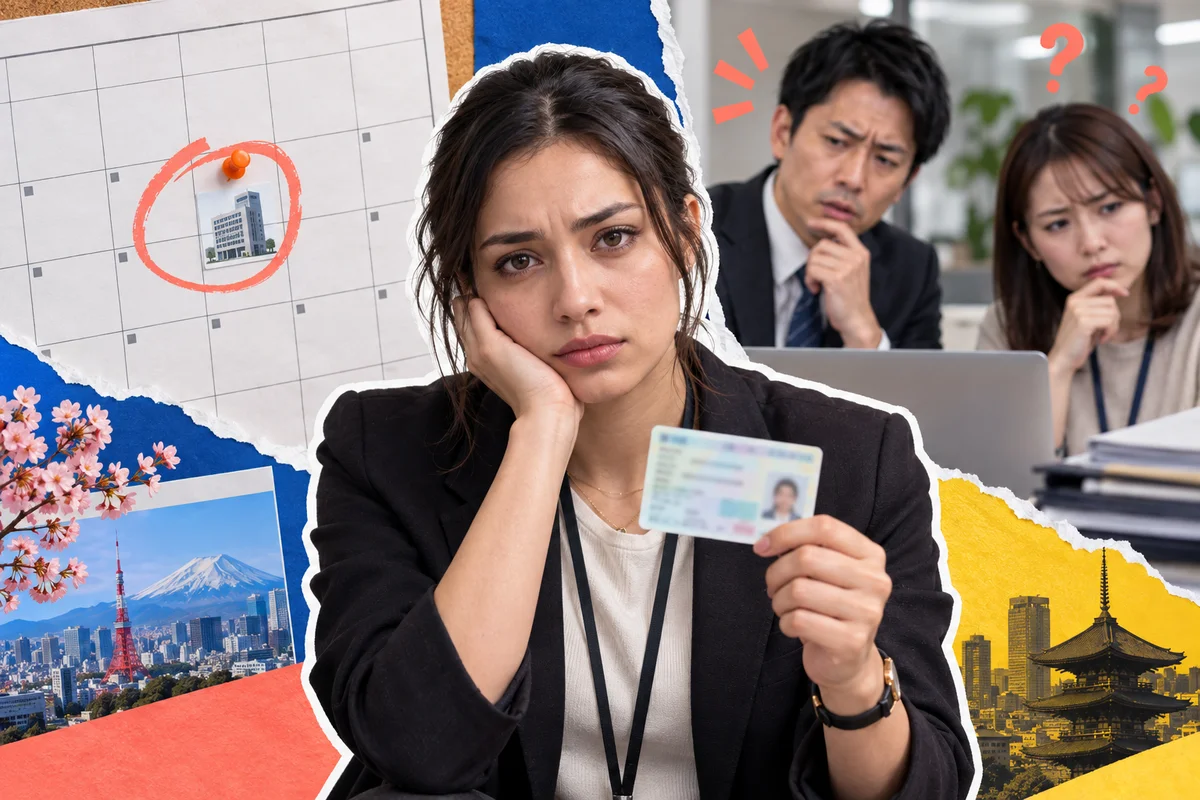
The notice arrives in your mailbox: your new residence card is ready. You feel relief. The renewal you have been quietly worrying about for weeks is finally done.
So you tell your boss you need a few hours to pick it up. They nod. You let a coworker know where you will be. You go, you wait, you come back and finish the day.
Then, a week later, in a meeting about "problems at the company," your half day off becomes one of the problems. It was too sudden. It caused trouble for the team. And somehow, you did not look sorry enough when you came back.
If that sounds familiar, you are not imagining the unfairness. But you are also running into something that is worth understanding, because it will happen again.
Most of your Japanese coworkers have never had to renew permission to live in the country where they were born. Their year does not contain visa expiry dates, application windows, or a trip to the immigration bureau where the waiting room can eat an entire morning.
Yours does. And the most frustrating part is that you do not control the dates. You apply, then you wait. The notice comes when it comes. You cannot write it on a shift board a month in advance, because a month ago nobody knew when it would be ready, including you.
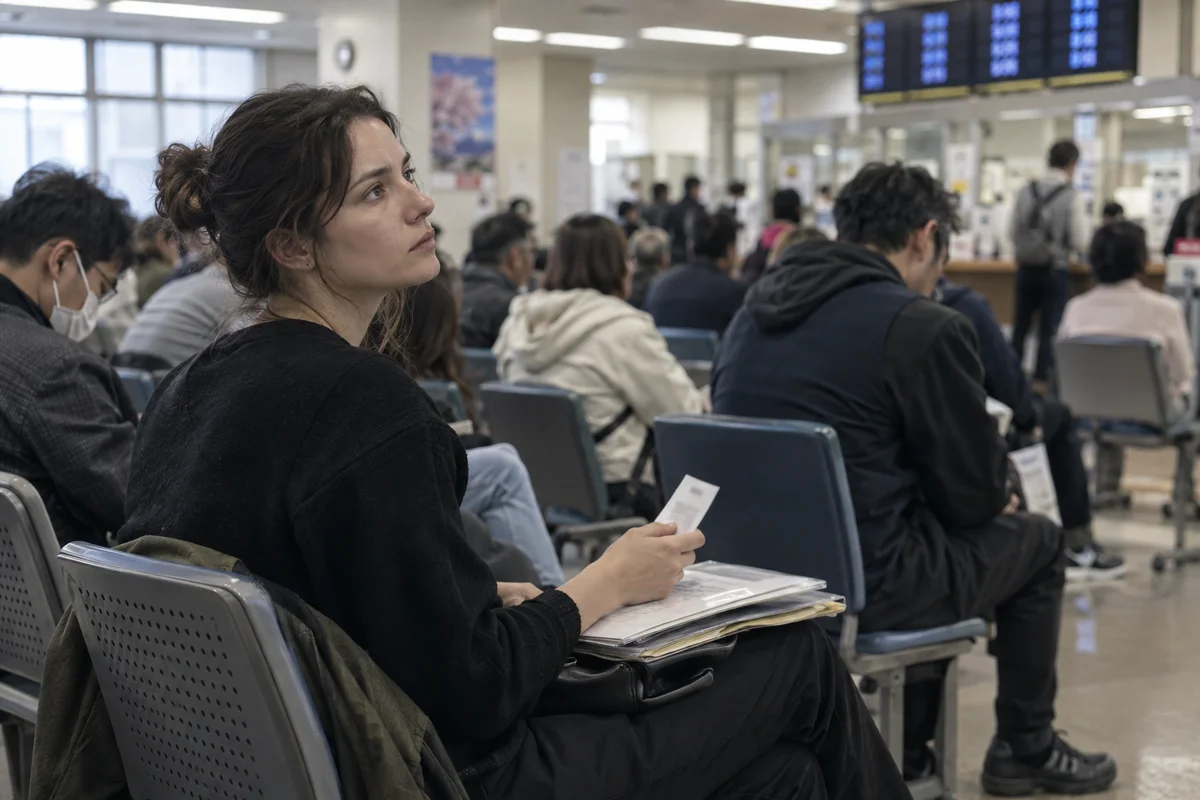
From the inside, this is obvious. From the desk next to you, it is invisible. To someone who has never seen that process, "I got a letter and need to go to immigration this week" can sound like "I decided to leave early on Thursday."
That gap is not always malice. Often it is just a missing picture. But a missing picture, combined with a workplace that values predictability, is enough to turn a legal obligation into a character question.
Here is what tripped me up for a long time. In many Japanese workplaces, the problem is rarely the hours you were gone. It is the feeling that the group was not given a chance to prepare.
That is what words like 迷惑 often point at. Not "you made us do three hours of extra work," but "the plan changed and we were not part of it." People who would happily cover for a planned absence can get prickly about an unplanned one, even if the planned one is longer.
The same logic explains the strangest complaint: that you did not seem apologetic. To you, apologizing would mean admitting you did something wrong, and you did not. To them, a short apology after time away is closer to a social reset button. It is a ritual, not a confession.
None of this makes the criticism fair. Calling out a legally required errand in a company meeting is a poor way to handle it. But knowing what the complaint is actually about gives you something you can work with.
You cannot predict the exact pickup day. You can predict that there will be one.
The moment you submit a renewal, tell your boss and the people you work closest with. Something simple works: "I applied to renew my residence card. Immigration will send a notice when it's ready, usually without much warning, and I'll need part of a day to pick it up. I'll tell you the date as soon as I know."
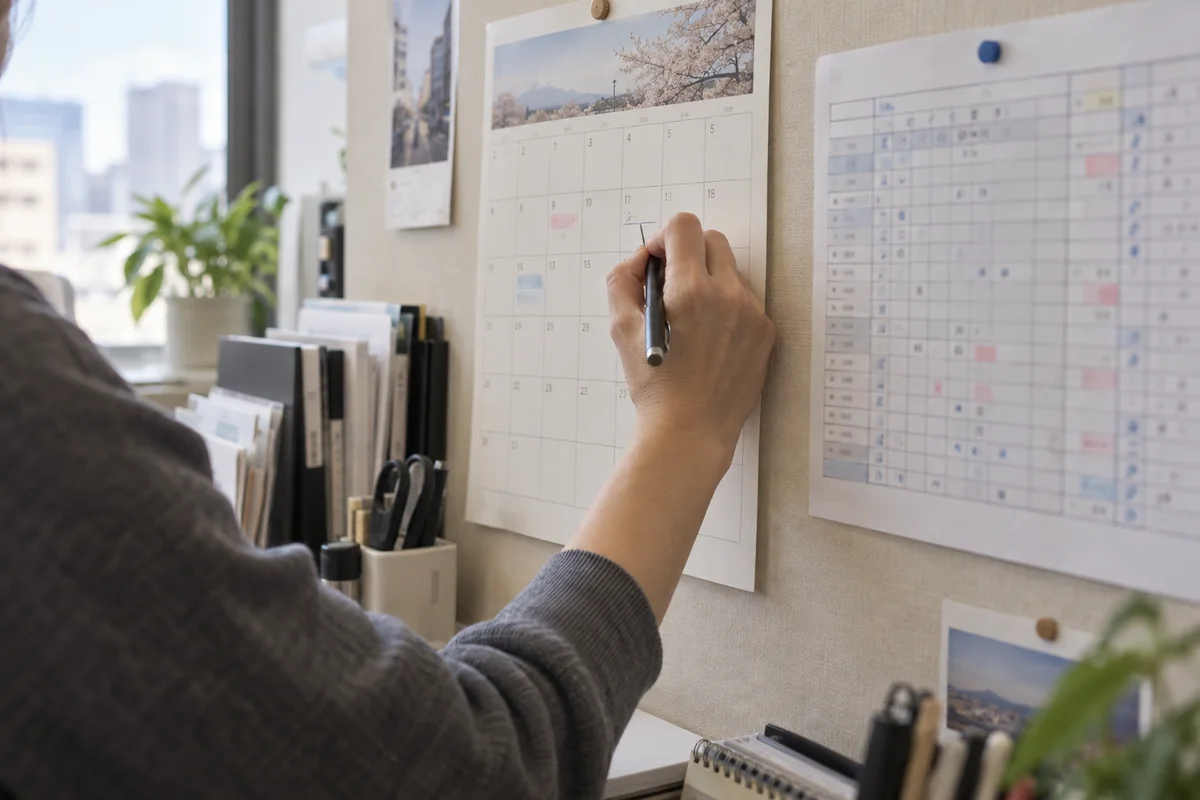
If your workplace uses a shift board, put a placeholder on it. "Residence card pickup, date TBD" turns a surprise into something everyone already saw coming. When the notice arrives, you are not announcing a sudden absence. You are confirming a plan the team has known about for weeks.
It also helps to ask your boss to mention it to the team directly. Coming from the person in charge, the same information sounds like a schedule, not a request for special treatment. Make the invisible process visible early.
When you come back, a few words go a long way. A quick "お休みいただいてありがとうございました" to the team, or a thank-you to whoever picked up your paperwork, signals that you noticed their effort.
You are not saying you were wrong. You are acknowledging that other people's day shifted around yours. Some people go further and bring a small box of snacks to share after time off, which is a fairly common gesture in Japanese offices. It is optional, but it can soften the mood more than any explanation.
Yes, it can feel unfair to perform gratitude for something you had no choice about. Think of it as paying a small toll to keep the road open. The alternative is a cold war with people you see every day.
After a meeting like that, the tempting lesson is: next time, just call in sick and take the whole day.
I understand the impulse. But it usually makes things worse. You lose half a day of work you could have done. You still create the same "sudden" absence, only now with a story you have to keep straight. And the next time you need immigration, a ward office, or an embassy, you will reach for the excuse again.
Honesty with advance notice is boring, but it builds a track record. The truth, early, beats a story, late. Over time, your coworkers learn that your absences are real, planned and rare, and that is the reputation that protects you.
If the criticism keeps coming even after you have done all of this, that is a different problem. It might be worth a calm, private talk with your boss, or advice from someone outside the company who knows how Japanese workplaces handle these things.
The loneliest part of this kind of week is not the meeting. It is trying to explain, again, why your life has steps that other people's lives do not, and being heard as making excuses.
That is why it matters to have people outside work who already understand. Friends who have stood in the same immigration line. Japanese friends who have heard your side and can tell you, honestly, how a meeting like that would read to them. Someone you can text that evening who will say, "That's ridiculous, and also, here's what worked for me."

SewaYou is a map-based friendship app for finding people nearby and anywhere in the world. You can meet other foreign residents and Japanese locals in your city, explore people in another city or country from home, make online friends without any travel plans, connect before a trip, and meet up when you are close. No swiping required.
Make Japanese Friends On a Live World Map
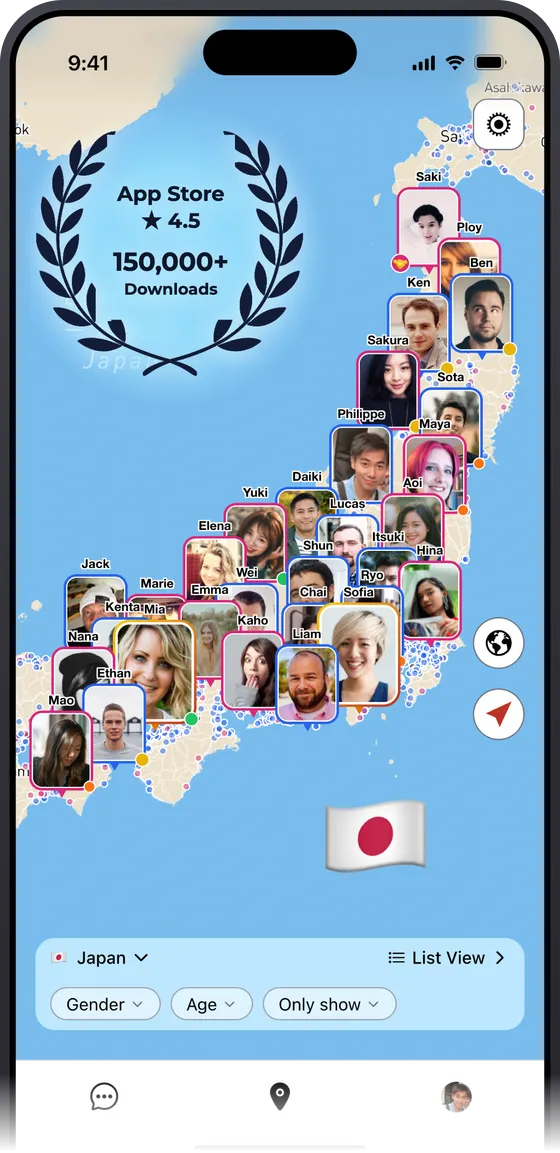
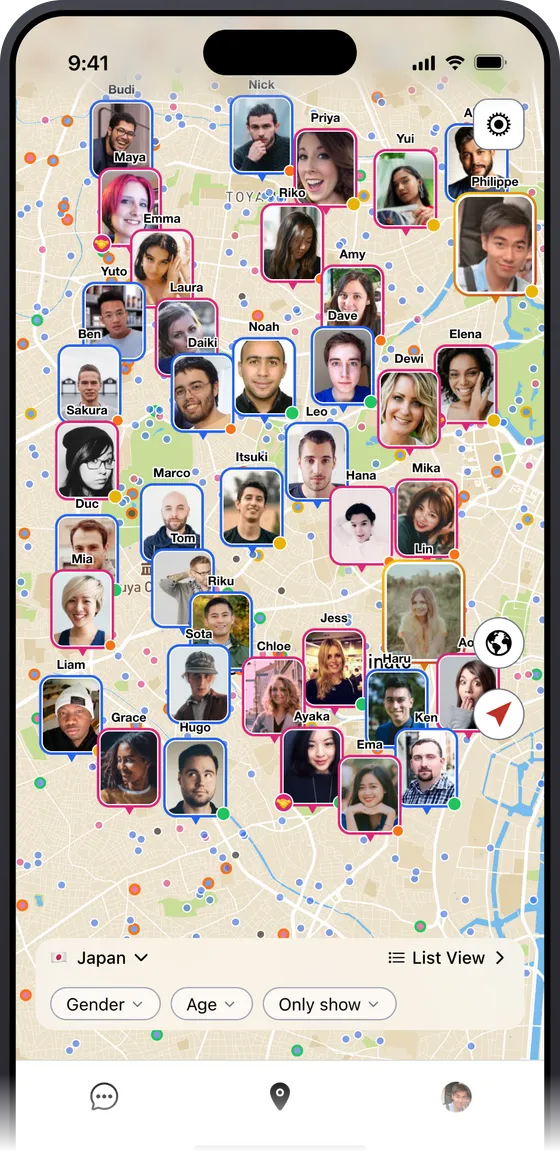
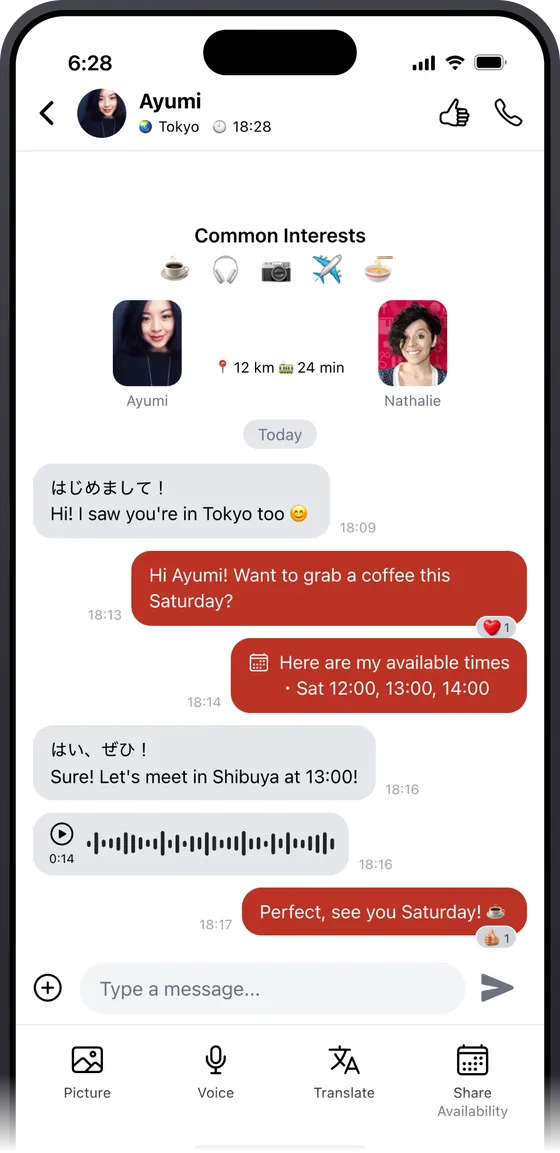


A friend who knows Japan from the inside can help you read your workplace. A friend who has lived your paperwork can help you laugh about it. You should not decode Japan alone.
Your residence card has an expiry date, and so will the next one. The process will repeat, and so will the chance of a coworker who does not understand it.
You cannot change how every senpai sees the world. You can change how much warning they get, how you close the loop when you come back, and how many people you have on your side when it still goes badly.
If your support system is mostly your workplace right now, start building one outside it. Download SewaYou and find people who already understand what your calendar looks like.