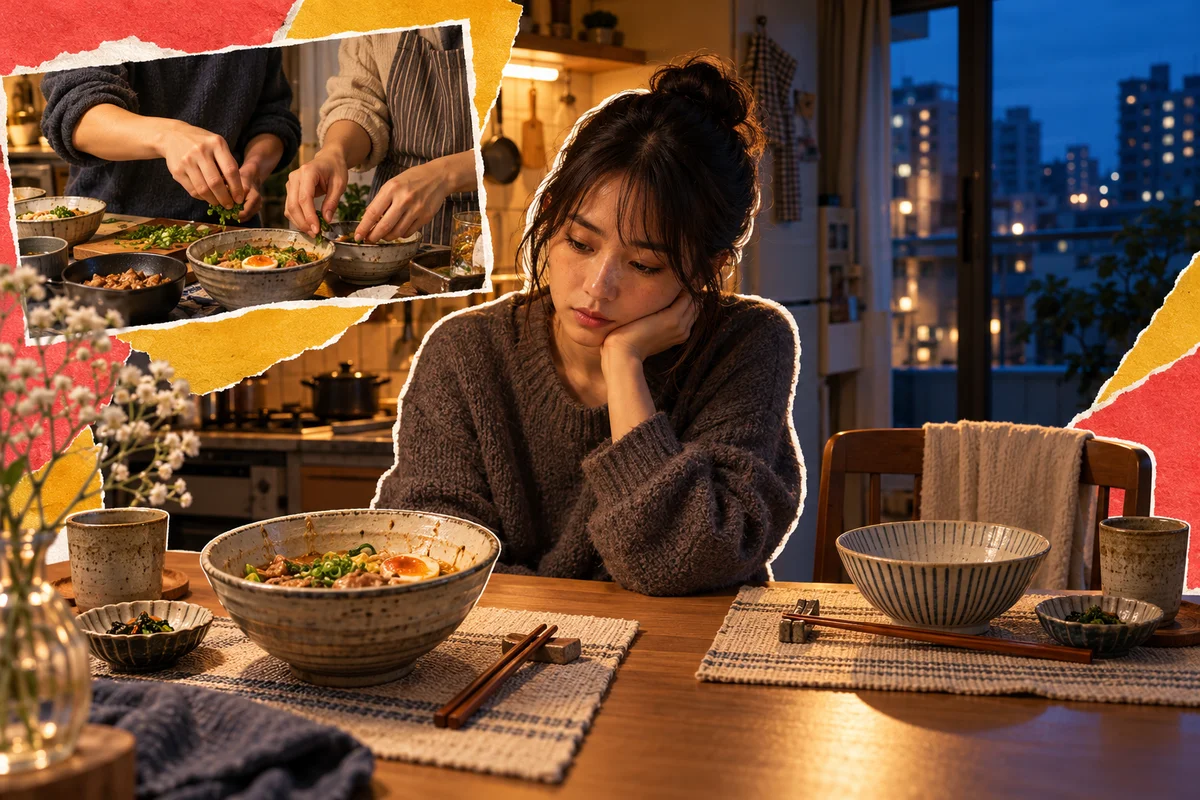
Ask anyone who has lived in Japan for a year or two which dish from home they quietly stopped making. Almost nobody has to think about it.
For some it is a proper roast, because the apartment came with a tiny combination microwave oven. For others it is a cheese-heavy bake, a bread that needs a specific flour, or a stew built around a herb that only shows up in the supermarket now and then. The answer is always ready, like it has been sitting there waiting for someone to ask.
I gave up on mine in my first winter. I told myself it was about the ingredients. It took me a while to admit that was only half the story.
It is rarely the whole recipe that fails. It is one thing. The right cheese, the right chili, a particular cut of meat, a dairy product that does not exist here in the form you know, or an oven big enough for the tray your family always used.
You can usually find a version of that one thing. An import shop might carry it. An online store might ship it. But it often costs more than the rest of the meal combined, and paying that for a Tuesday dinner starts to feel silly.
So you skip it once. Then you skip the whole dish. Then a year goes by. One missing ingredient quietly retires a recipe.
Here is the part I wish someone had told me earlier. The version you make in Japan does not have to pass a test from your grandmother.
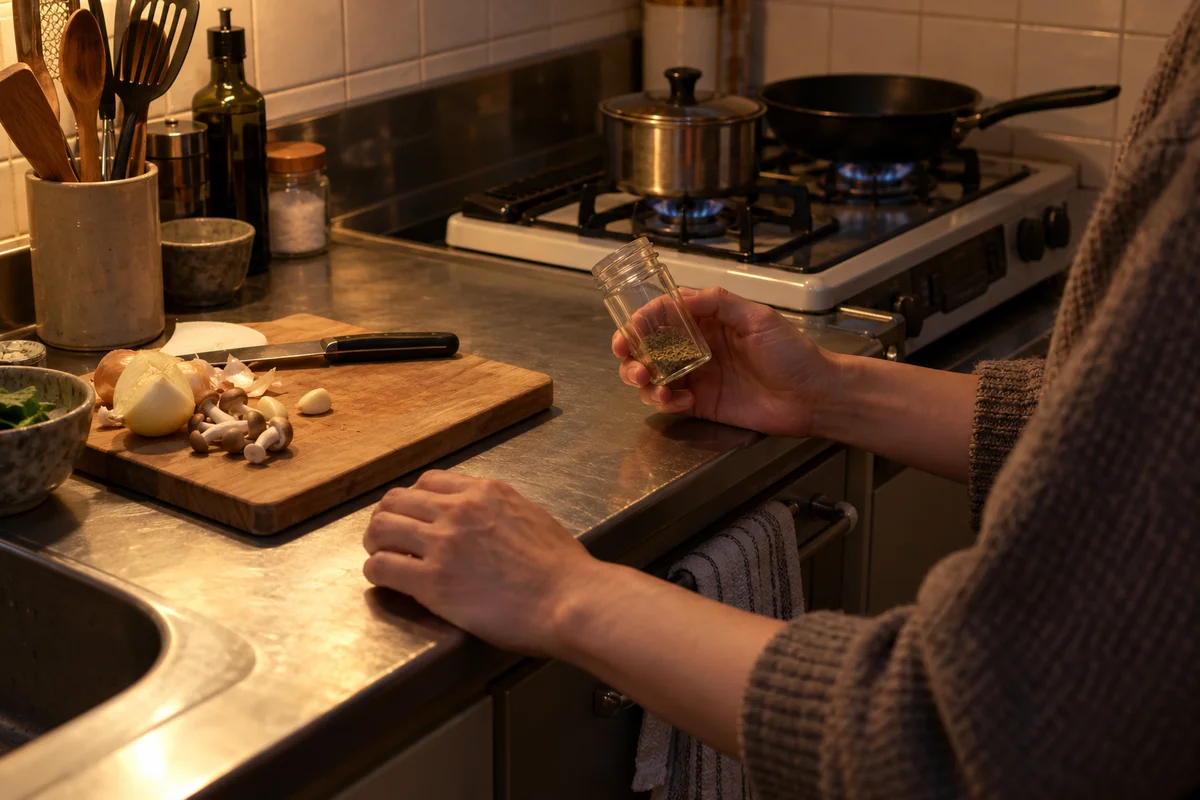
Plenty of long-term residents end up with a "Japan edition" of their home cooking. A different cheese that melts almost the same way. Local greens in place of the ones from back home. A frying pan instead of the oven. A Japanese curry roux or a splash of soy sauce somewhere it never used to go.
At first these feel like compromises. After a while, some of them become the version you actually prefer. A substitute is not a failure. It is what every immigrant cuisine in history has done, adapting to what the local shops sell.
The trick is to stop treating the original as the only correct answer. Ask what the ingredient was doing in the dish, whether that was fat, sourness, crunch or smoke, and look for something local that does the same job.
Even when you get the substitution right, something can feel off. The dish tastes fine. You eat it alone at your low table, and it is somehow less than you remember.
That is because most of the recipes we miss were never just food. They were Sunday lunch with family, the thing a roommate always asked for, the dish you brought to every party. The flavor was tied to a table full of people.
Cooking it for one in a small kitchen, far from all of them, can make the distance feel louder instead of quieter. That is not you being dramatic. The missing ingredient was the table.

The fastest way I know to bring a lost recipe back is to cook it for someone who has never had it.
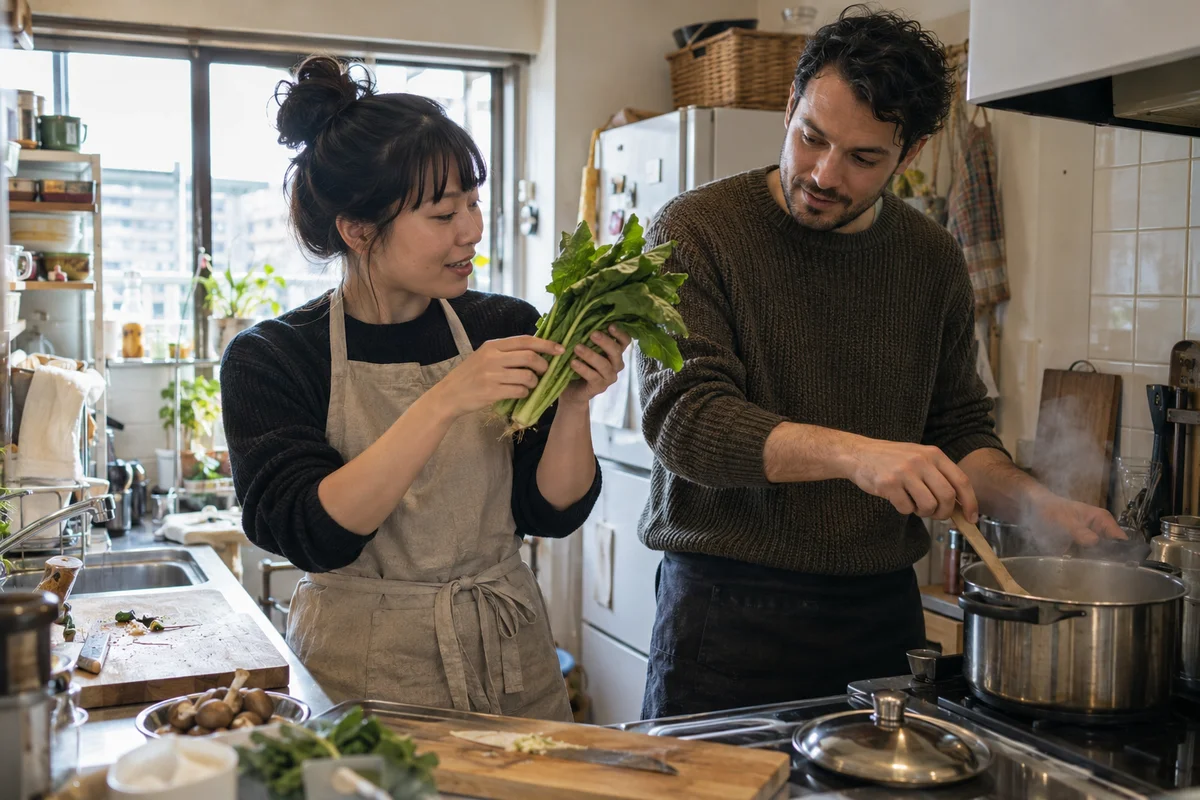
Suddenly the imperfect version is not a sad copy. It is an introduction. Your Japanese friend does not know what the original tasted like, so they just taste a good meal and ask questions about where it comes from. That conversation does more for the dish than any imported jar.
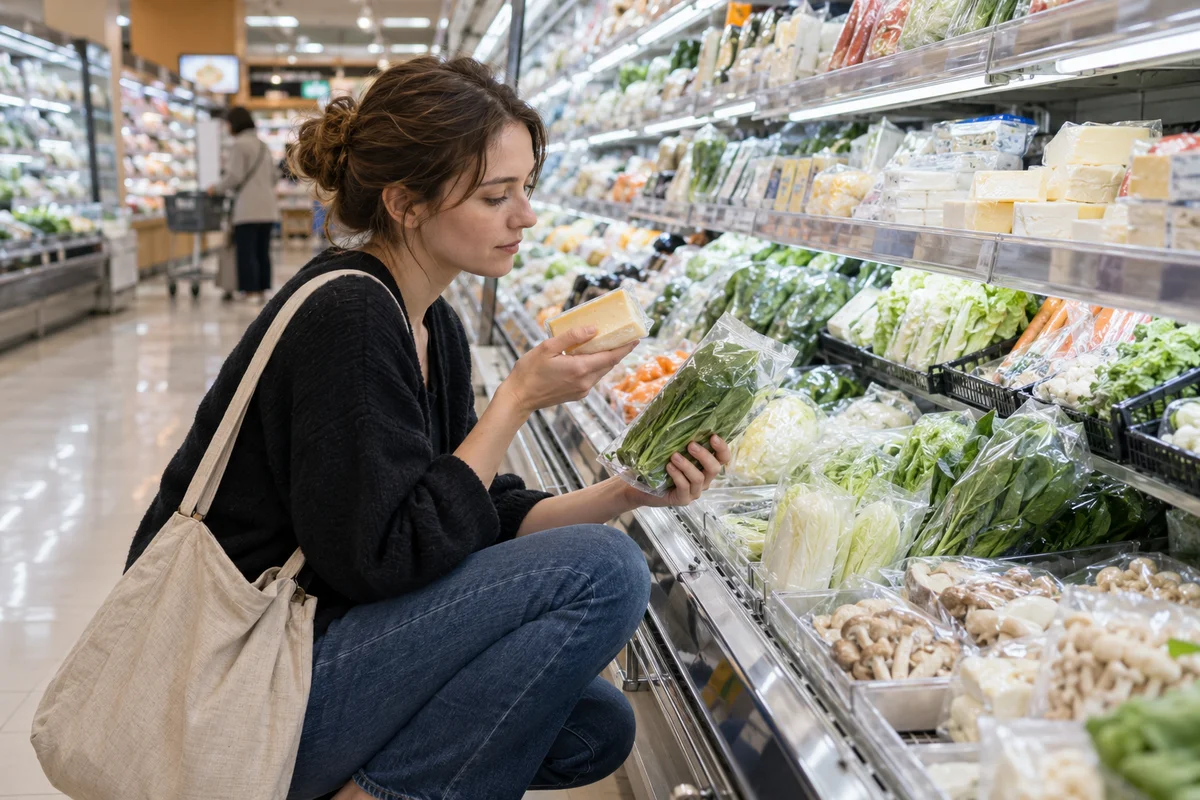
Friends also solve the ingredient problem in ways a search engine cannot. A Japanese friend might know which local ingredient behaves like the one you are missing, or which shop near the station sells it. Another foreign resident has probably already fought the same battle and knows where to buy the good flour.
And it goes both ways. You teach someone your stew, they teach you how their family makes nikujaga or a proper dashi. A recipe swap is a friendship shortcut. You end up with more dishes, not fewer, and a reason to cook for people again.
The hard part is not the stove. It is having someone to invite. Many people in Japan go years without a friend they would comfortably have over for dinner, especially after moving cities or changing jobs.
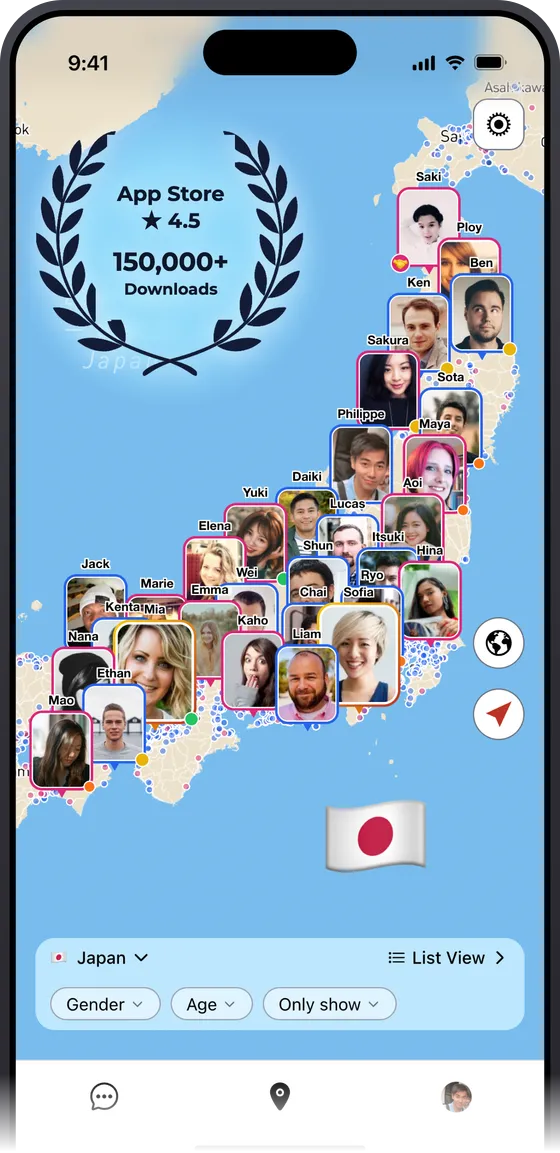
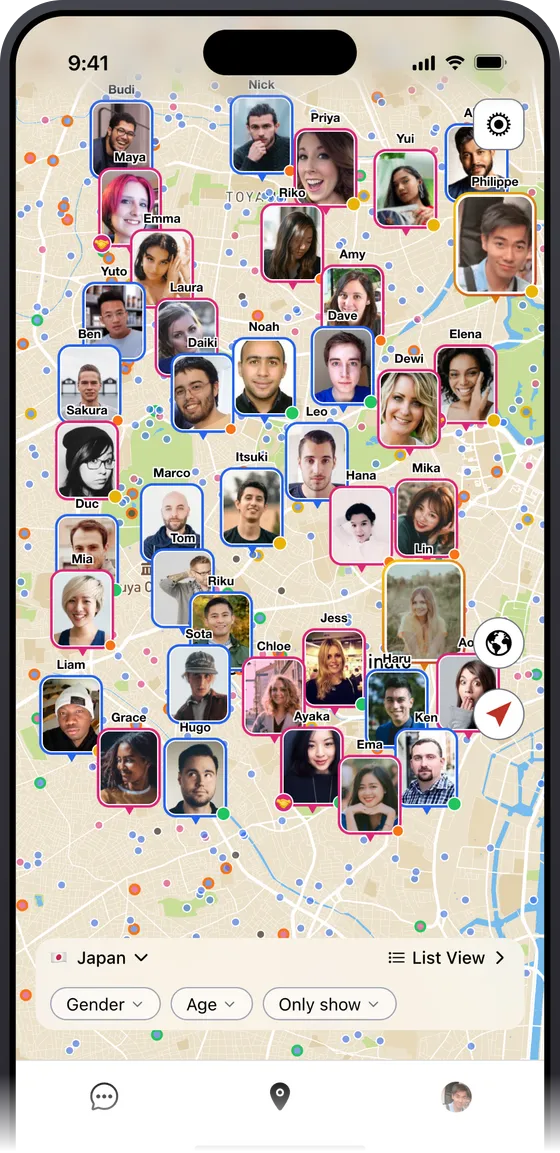
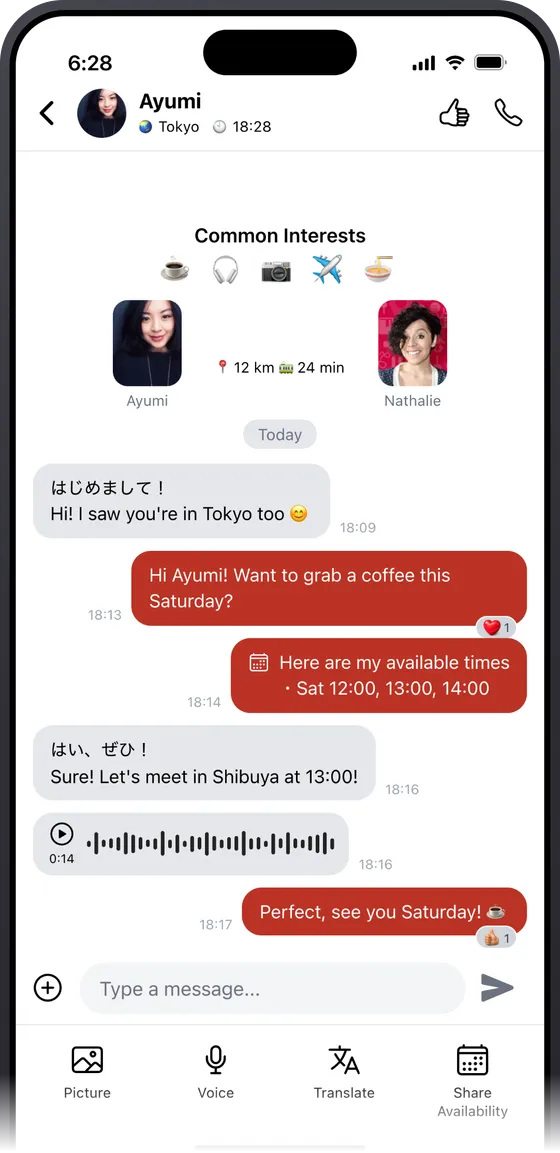
That is one reason we built SewaYou, a map-based friendship app for meeting people nearby and anywhere in the world. You can find people in your own neighborhood who like cooking, or connect with people in another city or country from home, swap recipes online, and meet in person when you are close. Some of the best food friendships start with a simple "how do you make that?"
Make Japanese Friends On a Live World Map


Pick the recipe you gave up on. Figure out what the missing ingredient was actually doing, and find a local stand-in that does the same job. Then make it for one other person.
It will not taste exactly like home. It might taste like the start of a new one.
Find someone to share it with on SewaYou, the map-based app for making friends nearby and around the world.