There is a compliment a lot of foreigners in Japan get in their first or second year, and it lands as warm and flattering. A Japanese friend, two beers in, leans over and says some version of "you know, you are not like other foreigners." Or, "your Japanese is so good for a foreigner." Or, "you actually understand the culture." It feels good. It feels like you have been seen.
It is not actually a compliment, and the longer you live here the more clearly you will recognize what it is.
It is a sorting hat. Your friend has just told you that, in their head, there are two categories of foreigners. There are the bad ones. And there are the good ones, like you. The compliment is not really about you. It is about the category they have built around you to make the friendship possible.
For most of the friendship this stays invisible. You hang out, you eat ramen, you complain about your bosses. Nothing pushes on the category, so you never notice it is there. Then something happens, the news cycle turns, a viral video of a foreigner doing something dumb in Shibuya gets passed around, a politician says something ugly about immigration, and suddenly your friend has opinions you have never heard before. And they say them in front of you. And they expect you to nod, because, well, you are one of the good ones.
That is the trap.
Conditional friendship looks identical to real friendship, until it doesn't.
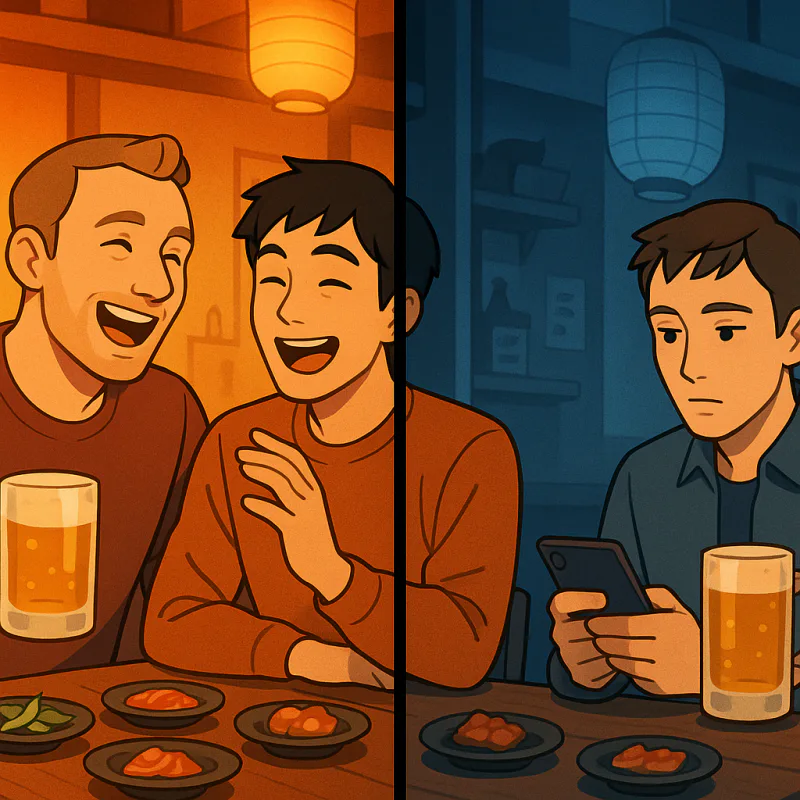
You cannot always see it. Sometimes the category really is invisible until a stress event reveals it. But there are early signs that a friendship is built on category, not on you.
None of these mean the person is bad or the friendship is fake. People are complicated and most of us hold uglier opinions than we admit, including about our own countrymen. But it does mean the friendship has a ceiling. There is a category in the room with you, and one day something is going to pull on that category, and the friendship will not survive it.
You do not have to invent a theory of racism to understand this. It is mostly category-thinking, which every human brain does by default. Your friend has met a hundred foreigners through news clips and social media and family complaints, and three or four in person, including you. The hundred reputation foreigners are abstract and easy to be afraid of. You are concrete and easy to like. The brain reconciles the contradiction by quietly making you an exception. The exception is the entire problem.
It is the same shape as the relative who genuinely likes you but votes against your interests. They are not lying about liking you. They just have a category you do not fit, and you live in the gap.
The reason this matters more in Japan than it would back home is that the foreign population is small, the public conversation about it is loud and one-sided, and most Japanese people will have very few close foreign friends in their entire life. So the categories never get tested. They calcify. Your one friendship is not enough to dissolve the pattern, even though you keep hoping it might be.
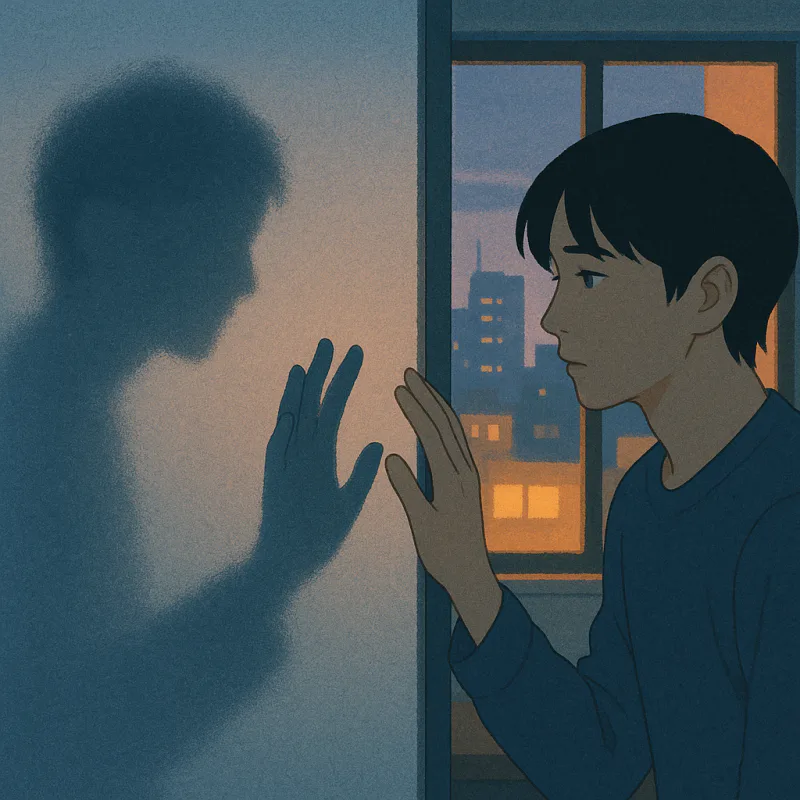
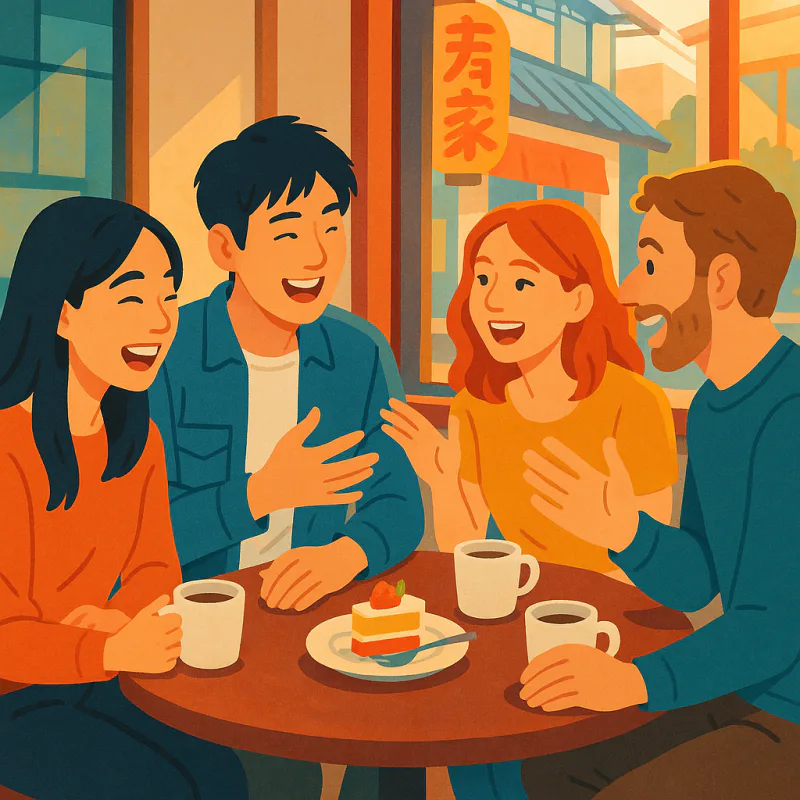
The opposite of a category friendship is not a friendship where culture is invisible. It is a friendship where culture is interesting to both of you, on equal terms.
You can tell the difference by how it handles bad news. When a story breaks about a foreigner behaving badly, a real friend says "ugh, what an idiot," the way they would about anyone. They do not look at you like a representative. When something embarrassing happens on the Japanese side, they will say so out loud, without it feeling like a betrayal. The category never enters the room because there is no category. There are only two people.
These friendships also tend to come from a specific kind of person. Not someone who is "into foreigners" as a hobby, by the way. That is its own category trap and it ends the same way. The people who make the best cross-cultural friends are the ones who are simply curious about other people in general, and you happen to be a person. The same friend would be naturally curious about someone from another part of Japan, another generation, another job. Curiosity is the opposite of category.
You can usually feel it in the first hour of a conversation. They ask about you, not about your country.
The hard truth is that people who will not flip on you are a minority of any group. Most humans, foreigner or Japanese, French or American or Brazilian, hold category opinions about somebody. The minority who do not are real and they are findable, but you have to filter for them, and the filter happens in how you meet.
Random meetings are bad for this. The coworker assigned to your team. The regular at your local bar. The friend of a friend. None of them have raised their hand and said "I want a friend from a different background." They are just sharing a room with you. Whether the friendship works comes down to luck, and luck has a category problem.
Self-selected meetings are much better. When someone has gone out of their way, on their own initiative, to seek out friendships across language and culture lines, you have already filtered for the curiosity trait. It is not a guarantee. It is just a much higher base rate. The selection event matters more than the conversation.
This is the practical reason language exchange friendships, hobby-based meetups, and apps built specifically for cross-cultural friendship work better than they have any right to. The people there have already opted in.
Make Japanese Friends On a Live World Map
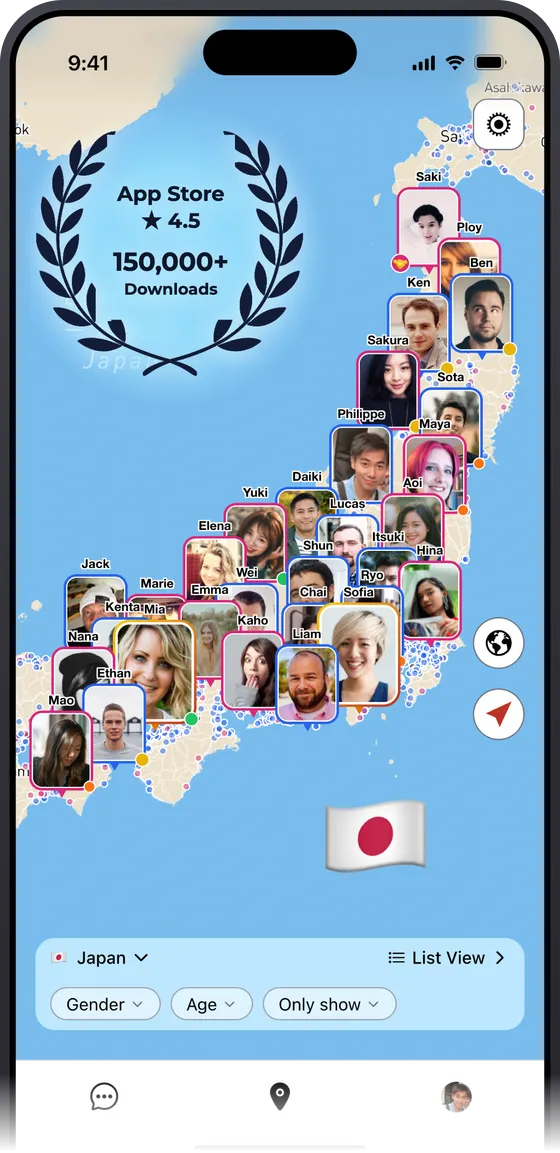
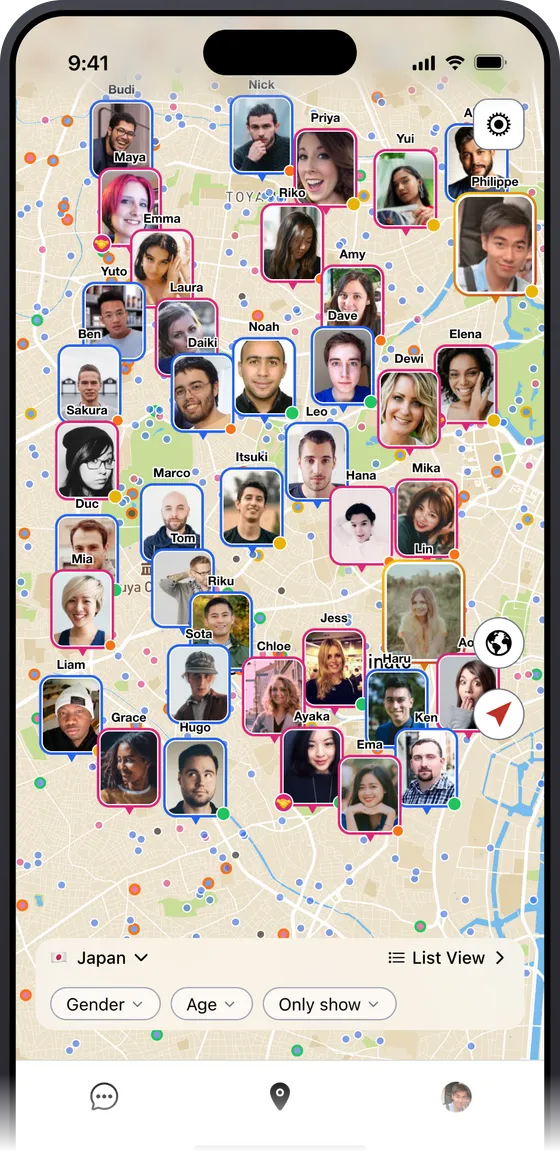
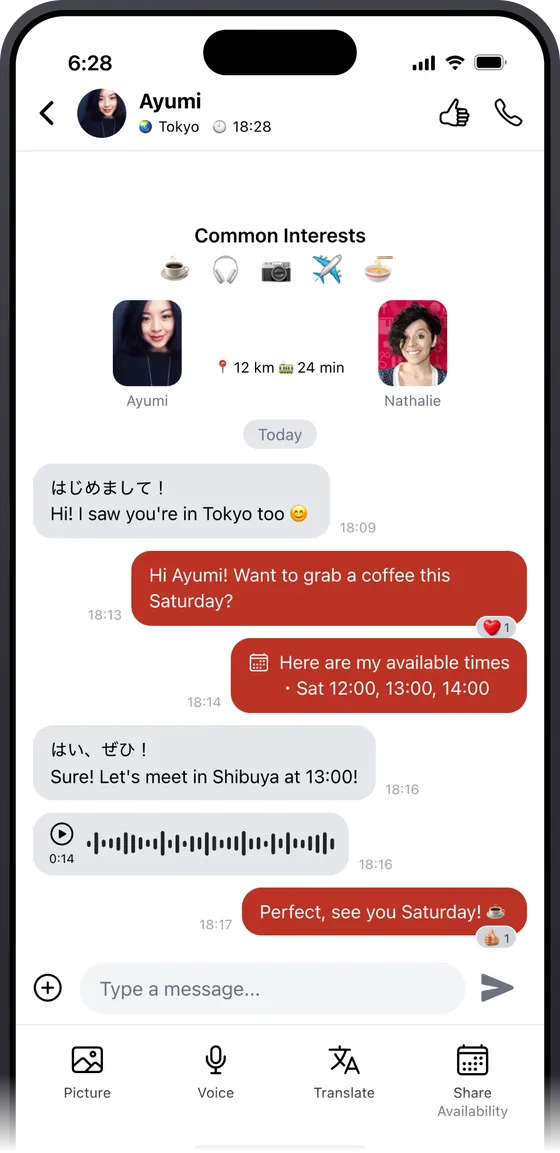


The reason we built SewaYou as a map-based, intent-explicit app is exactly this filter. The people on it are Japanese, foreign, or anywhere in between, and the one thing they have in common is that they downloaded an app specifically because they want to meet people across language and culture lines. That single act of self-selection does more work than any conversation starter ever could.
You see who is near you, what languages they speak, what they are into, and you meet up in person. Coffee, a walk, a karaoke night, a hike. No category. No sorting hat. Just two curious people in the same city deciding to share an hour.
The friend you make on SewaYou is not going to flip on you two years later because the news cycle changed. They were already the kind of person who chose to live in a more curious world. Only that kind of friendship survives the long game.
It is also, not coincidentally, the only kind of friendship worth investing in.