

The first time I really needed my Japanese, I choked. I was at a small clinic reception. I had rehearsed the sentence on the train, three times, word perfect. Then the woman looked up, said something I half caught, and my whole script evaporated. I pointed at my form and said "kore." That was it. Months of study, and I handed her a toddler word.
Walking home, I decided the problem was me. My Japanese was embarrassing. So for weeks after, I did the safe thing. I let a coworker order for me. I switched to English the second anyone offered. I got very good at not speaking.
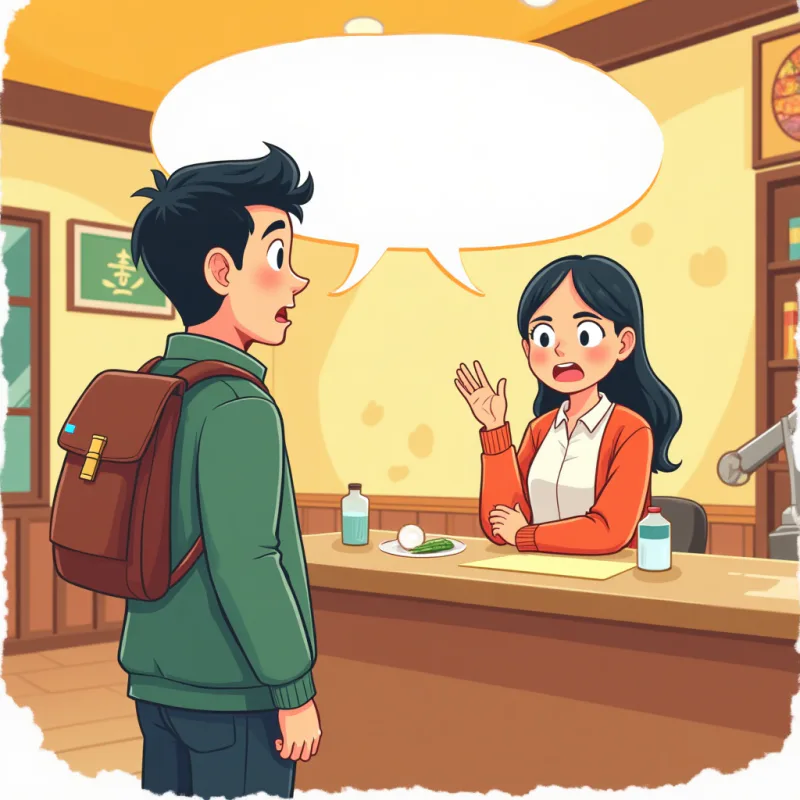
Something happens to a lot of us in Japan. Every time you open your mouth, a scoreboard lights up in your head. The cashier is grading your particles. The waiter clocked your accent. The coworker heard you mix up が and は and quietly filed you under "not actually fluent."
None of these people said a word. You built the whole courtroom yourself, and then you convicted yourself in it. The audience lives in your head. It follows you to every counter, every conbini, every meeting room.
Here is the uncomfortable part. That scoreboard is mostly empty.
Psychologists call it the spotlight effect. We badly overestimate how much other people notice and remember about us. The cashier rings up dozens of customers an hour. Your slightly-off keigo is gone from their memory before you reach the door. They are thinking about their break, their phone, dinner. Not your grammar.
I used to replay my clinic moment for days. The receptionist forgot it in about four seconds. You are the only one keeping score.
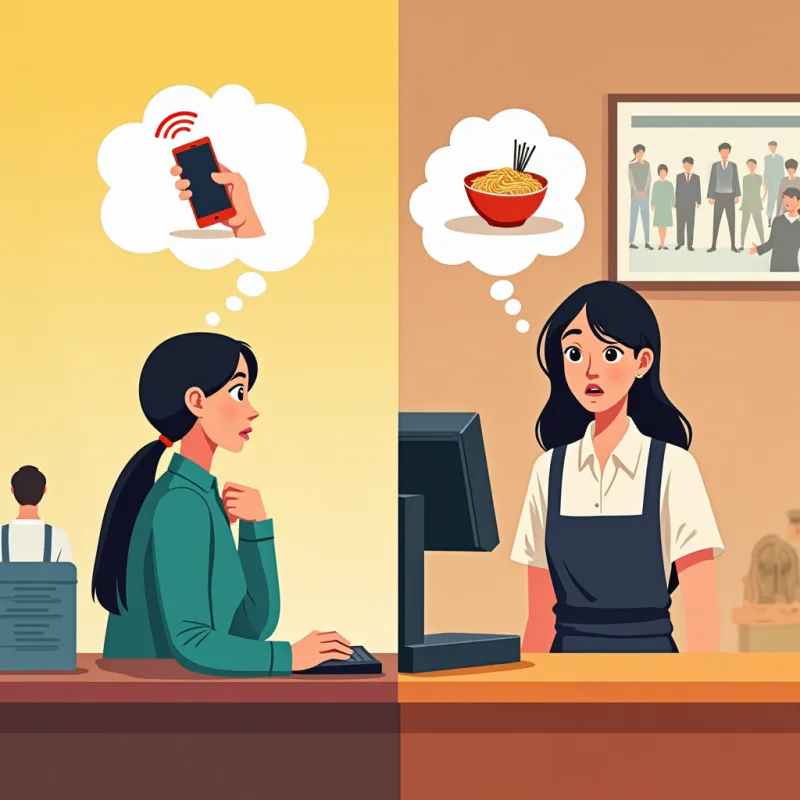
Now flip it around, because this is the part that actually set me free.
You know that Japanese coworker who goes quiet the moment a meeting switches to English? The one who clearly understands, who nods along, who has read more English than you have Japanese, but will not say a full sentence out loud? They are not lazy about English. They are standing at the exact same wall you are. They know the words. They freeze because they are scared of sounding stupid in front of you.
When I saw that, the story "I am uniquely bad at this" fell apart. The freeze has almost nothing to do with your ability. It is shame, and shame is a beginner tax. Everyone pays it in a second language.
The freeze feels safe. It is not.
Every time you default to English to dodge a clumsy sentence, you buy a little comfort now and pay for it later. You stay inside the expat bubble. Your Japanese friends stay theoretical. The life you pictured when you moved here, the one with local friends and easy small talk, keeps getting pushed to some future when your Japanese is "good enough." That day does not arrive from more study alone. Waiting to be perfect costs you the friendships.

You do not fix a freeze with another textbook chapter or app streak. You fix it with reps. Small, real, forgiving conversations, where the other person is also a little nervous and also just wants to connect, so nobody has the space to judge.
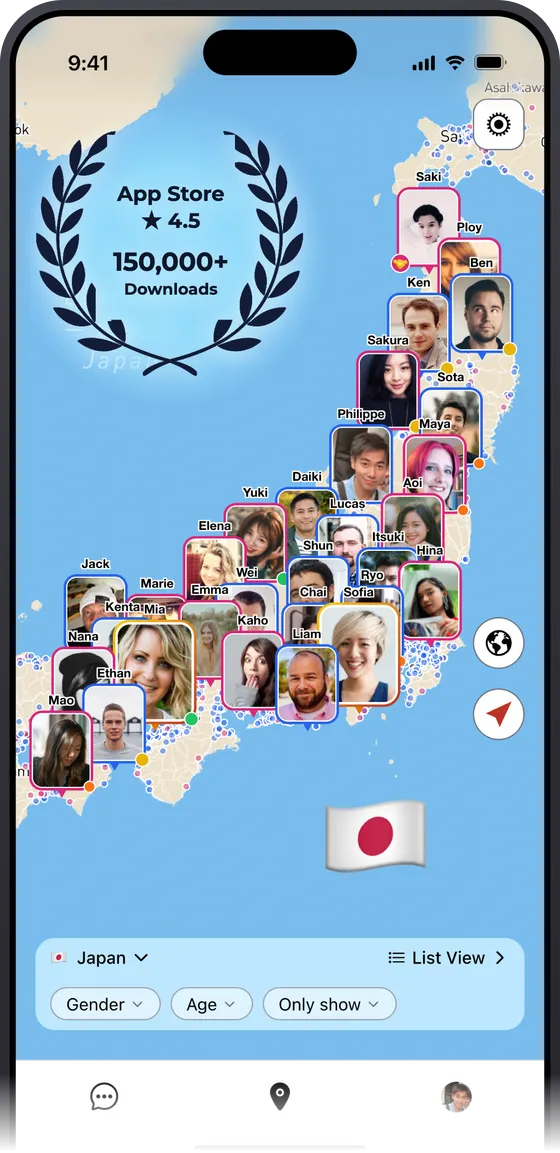
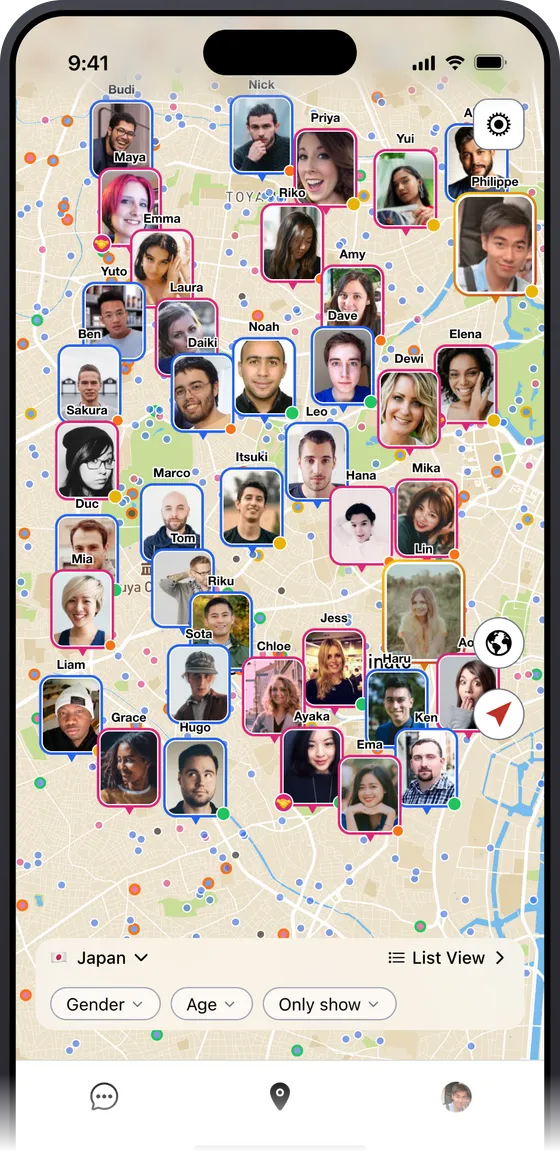
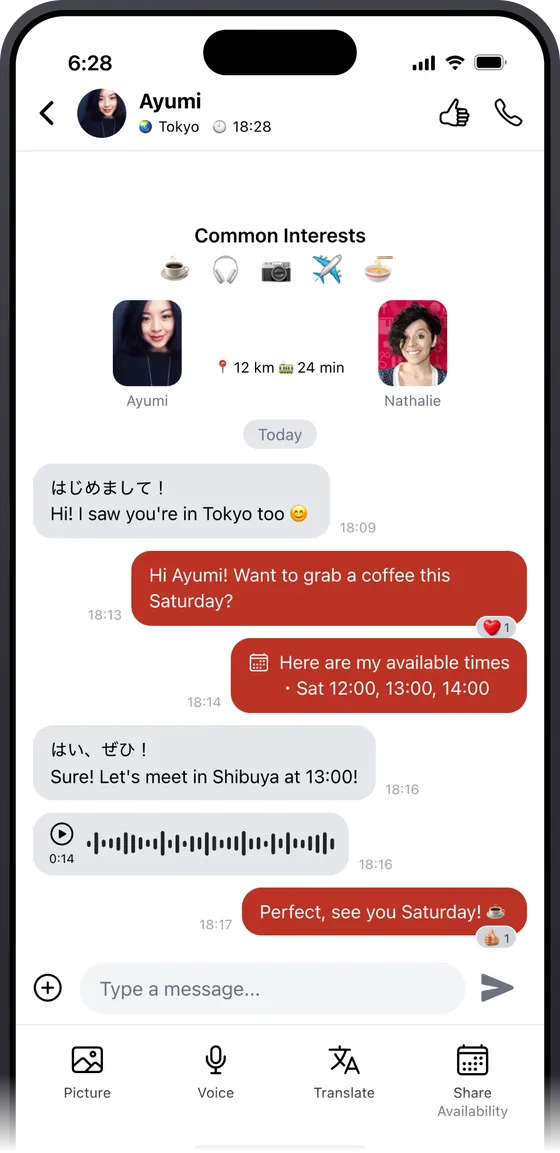
SewaYou is a map-based app that shows you who near you wants to make new friends right now. Locals who are curious about your country. Other foreigners a few chapters ahead of you. Japanese people who are just as scared to try their English as you are to try your Japanese. On that map, your broken Japanese is not a flaw. It is the thing you have in common. Everyone there is mid-sentence too.
Make Japanese Friends On a Live World Map



So go order in Japanese and botch it. Mix up your particles. Say "kore" when you meant a whole sentence. The receptionist will forget it in four seconds, and the person actually talking with you will just be glad you tried. Your accent was never the price of admission. Trying is. Start with one low-stakes conversation, and let your confidence come back the only way it ever does, one real reply at a time.


