
You finally meet someone easy to talk to. Maybe it's at a weekend sports meetup, maybe at a language café. They invite you to lunch, they laugh at your jokes, they ask about your life. For the first time in months, Japan feels a little less lonely.
Then, around the second or third meeting, the conversation drifts toward your health. Or your savings. Or how "normal jobs" are a trap. And somewhere in there, a product appears.
I've watched this happen to enough newcomers that I recognize the shape of it now. And the hardest part is never the pitch itself. It's the question that comes after: was any of it real?
Here's what makes this so confusing. The person usually isn't faking the warmth. Many people who sell through personal networks genuinely like meeting people. That's partly why they got into it.
So you're not choosing between "kind person" and "salesperson." They can be both at once. The real question is which one is driving the relationship.
When you're new somewhere and short on friends, you want the first answer so badly that you start explaining away the second. That's not stupidity. It's just what loneliness does to your judgment.
Pay attention to how the topic arrives. It rarely starts with "buy this." It starts with something you mentioned in passing, like being tired, eating badly, or worrying about money.
Then the worry gets bigger. The food here is full of chemicals. Local supplements can't be trusted. Fresh vegetables would bankrupt you. Some of these claims sound half familiar, which is exactly why they land.
And once you're properly worried, there's a solution. Conveniently, it's one they use, love, and can help you get. Maybe there's a return policy, so "there's no risk." Maybe they say they don't earn anything from it.

The giveaway is the sequence. A problem you didn't have yesterday shows up, grows, and gets solved by the same person in the same week. Real friends sometimes give advice. They don't usually build you a fear and then sell you the cure.
A group invite feels like the best possible news. More people, more friends, a ready made circle.
Sometimes that's all it is. But in network-style selling, the gathering is often where the bigger picture comes out. Everyone seems to use the same products. Someone shares how their life changed. There's talk of "opportunity," "freedom," or "being your own boss." People are incredibly welcoming, almost suspiciously fast.
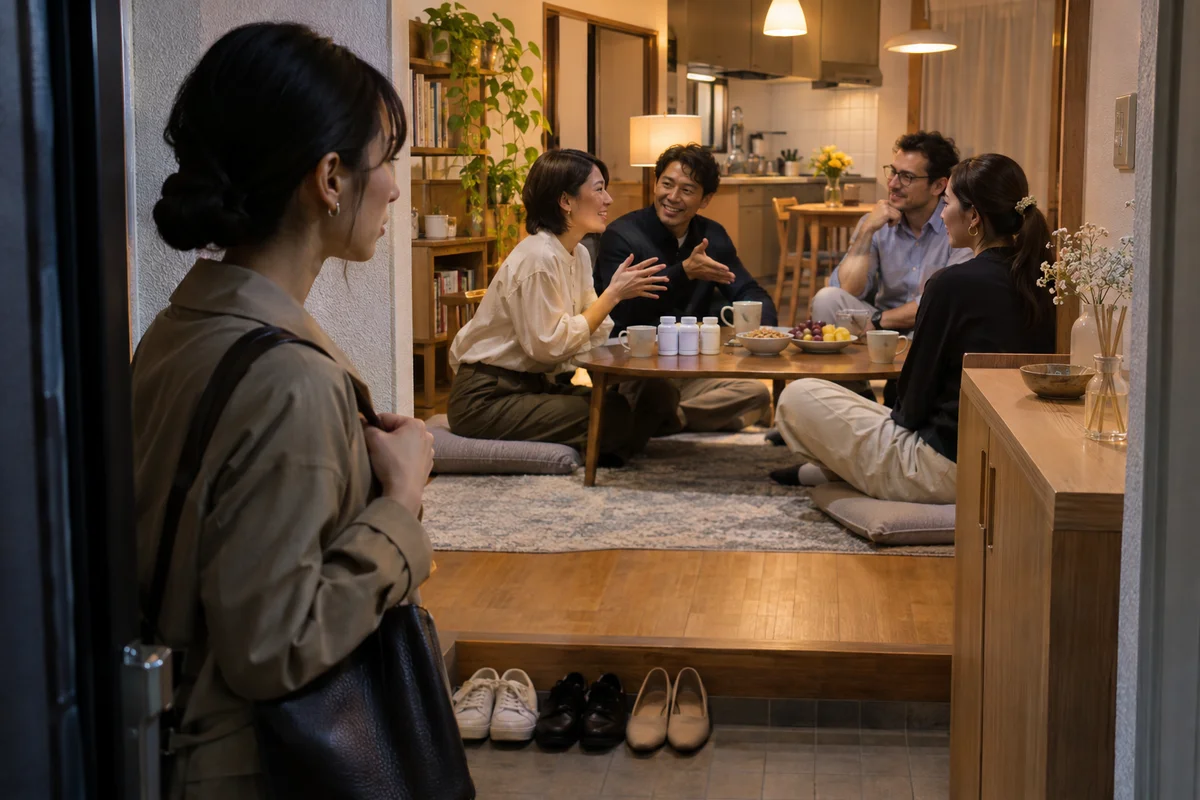
You don't have to refuse the invite to protect yourself. You just have to go with your eyes open. Notice what the group talks about when nobody's selling. Notice whether people have lives, hobbies, and friends outside of it. A community with one topic isn't really a friend group. It's a team.
If what you see starts to feel more like belief than business, we wrote about how cult recruiters approach lonely foreigners in Japan. The early moves overlap more than you'd expect.
You don't need to play detective. A few calm questions usually settle it.
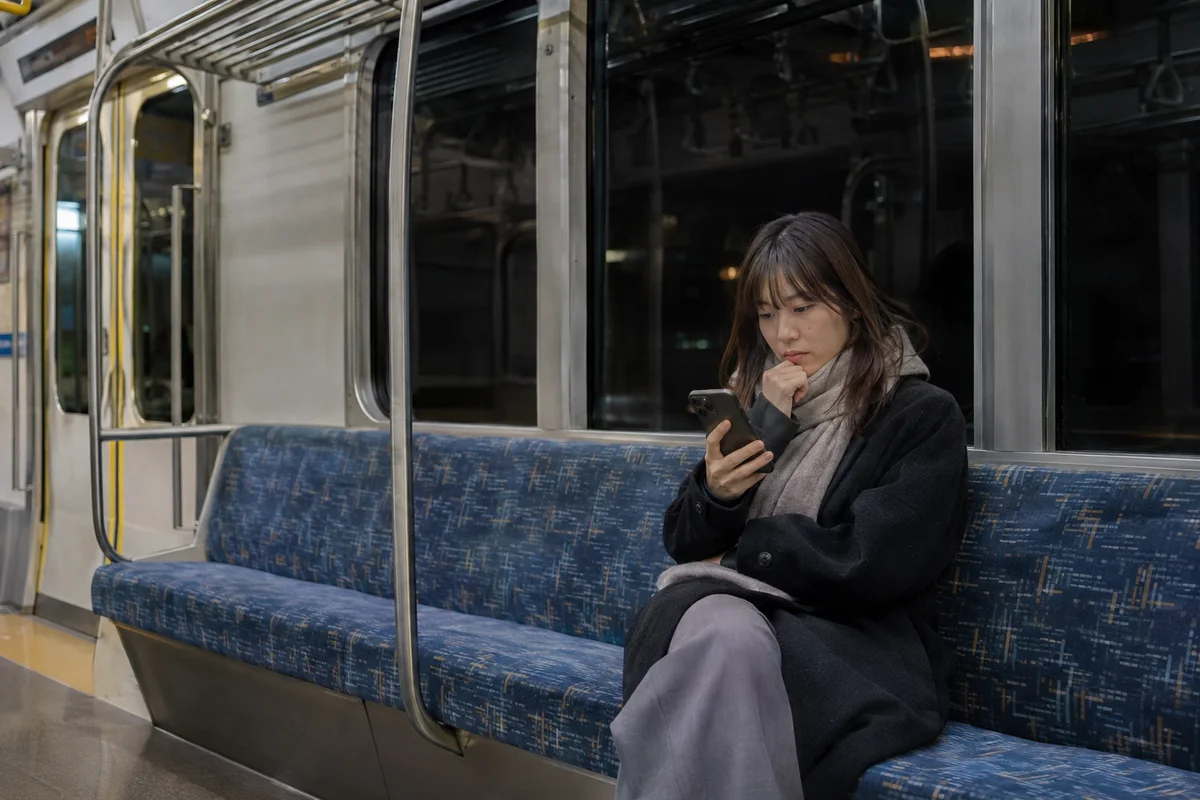
That last one is the real test. Interest that survives your no is friendship. Interest that fades the moment the sale is off the table was something else.
A useful personal rule: never buy, sign, or share bank details while you're in the room with the person, or at a party, or on the same day you heard the pitch. Go home, sleep on it, and look it up in your own language. If you do end up stuck in a contract you regret, Japan has a national consumer hotline at 188, and multilevel sales contracts fall under consumer protection rules with a cooling-off period. It's worth knowing before you need it.
You can turn down the product and still keep the door open. Try something like:
"I'm going to pass on the supplements, but I really enjoyed lunch. Want to play again next week?"
Short, friendly, no lecture. You don't owe anyone a long explanation or a debate about nutrition science. If they push past it a couple of times, that's your answer, and you can let the connection drift without guilt.
And if they drop it and keep inviting you to pickleball? Great. You may have just found an extroverted, slightly overenthusiastic friend. Those exist too.
The real reason these situations feel so high stakes is that one person can become your whole social life in Japan. When that's true, saying no feels like losing everything.
So the best protection isn't suspicion. It's options. Several small connections beat one big one. A sports group, a coworker you get coffee with, a neighbor, a few people you message regularly. Once no single relationship carries all the weight, it's much easier to spot a sales pitch and walk away calmly.
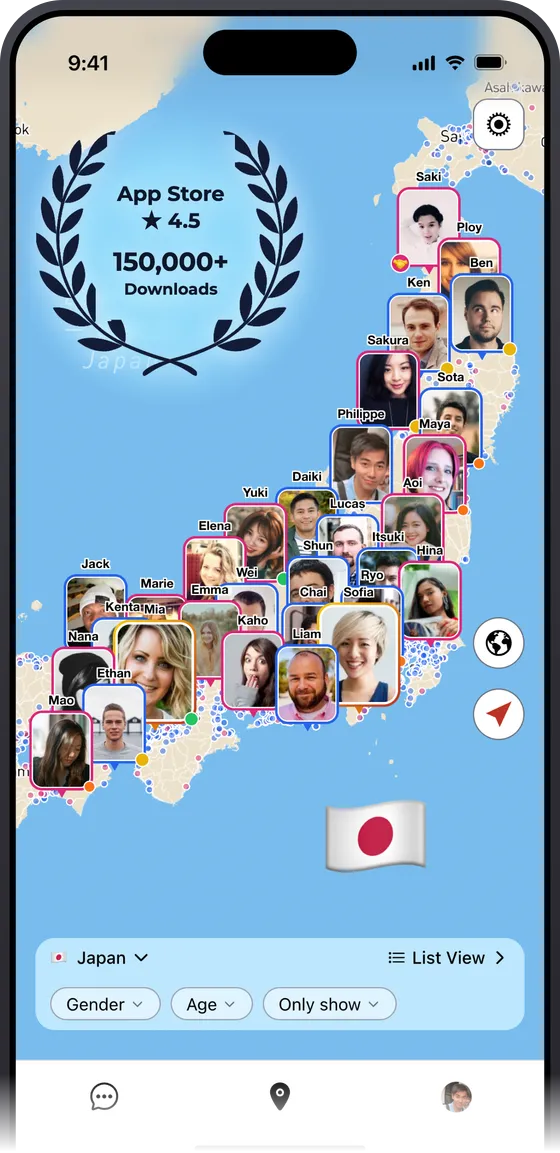
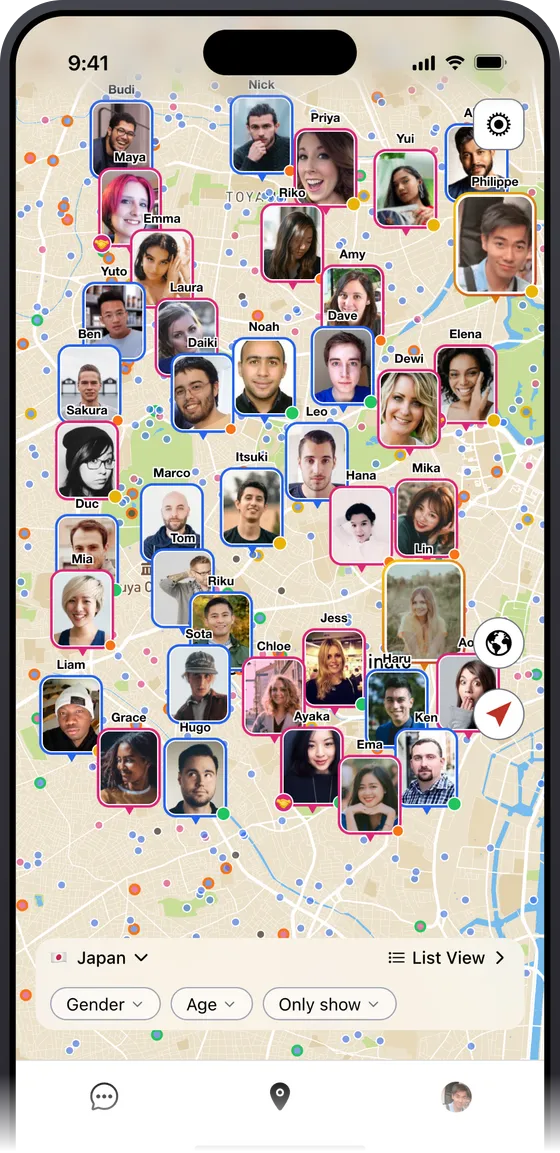
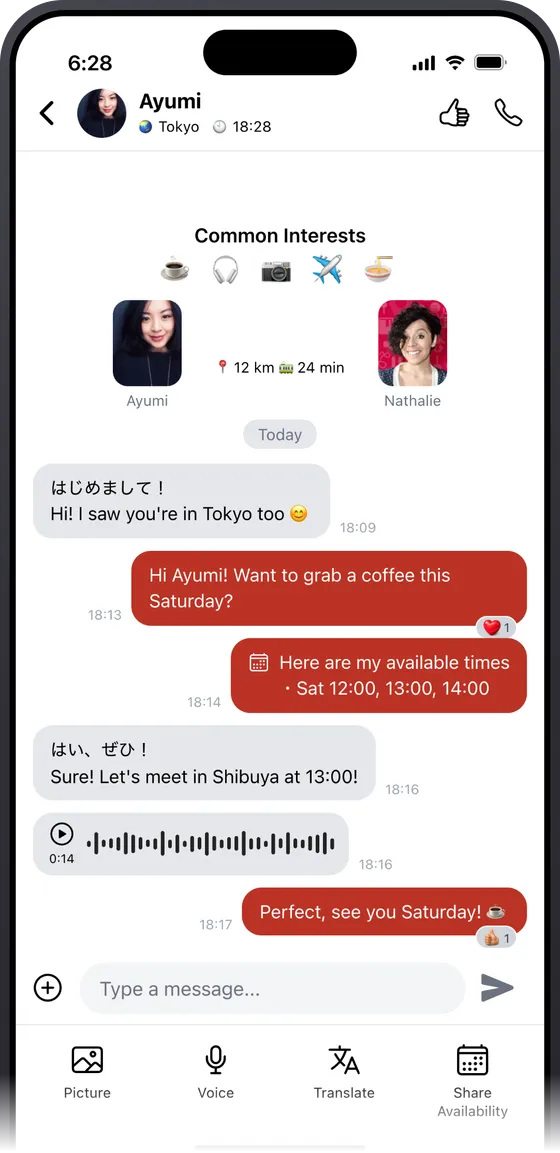
That's a big part of why we built SewaYou. It's a map-based friendship app where you can find people nearby and anywhere in the world. You can see who's around your neighborhood for a casual meetup, explore another city or country from home, make online friends without any travel plans, or connect with people before a trip and meet once you're there. The point is simple: friendships that start because you're curious about each other, not because someone has something to sell.
Make Japanese Friends On a Live World Map



Wanting friends badly and being careful at the same time isn't a contradiction. It's just being an adult in a new country.
Take people at face value until they give you a reason not to. Enjoy the lunches and the games. Just keep your wallet and your contacts list out of it until you know who you're dealing with.
The right people won't mind waiting. If you're ready to widen your circle, download SewaYou and start meeting people nearby and around the world.