

I keep meeting people who passed N2 and still can't get a sentence out when it actually matters.
They have the certificate. They studied for years. On paper their Japanese looks strong. Then someone asks them a simple question in a real conversation and their mind goes blank. The words are in there somewhere, but they won't come out at speed.
A lot of them are English teachers. The pay covers rent and not much else, the hours leave them drained, and they want out. So they start hunting for the next thing: a hotel job, an office role, anything that looks better on a résumé. The plan makes sense. But there's a quieter problem underneath it that no job change fixes on its own.

Here's what the English-teaching life quietly does to you. All day you speak English, with coworkers who speak English, to students who came for English. Then you go home, watch shows in English, and text friends in English.
Your Japanese gets almost no reps. Not because you're lazy, but because your whole day is built so you never need it.
Switching from one English-leaning job to another just moves the furniture around. The bubble follows you. A hotel front desk might give you a little more exposure, but if you're hired as the English-speaker again, you'll spend another year in the same loop, wondering why your Japanese isn't getting better.
The test and the conversation are not the same skill, and almost nobody tells you that until you're standing in it.
The JLPT rewards recognition. You read, you listen, you pick the right answer from four options. Real conversation demands production under pressure. You have to build the sentence yourself, catch the reply, and respond before the moment slips away.
Those are different muscles. Recognition is not production. You can ace the first and freeze on the second, and it doesn't mean you're bad at Japanese. It means you've been studying it instead of speaking it.

This is the part that stings. The career ceiling you keep hitting usually isn't a résumé problem. It's a spoken-Japanese ceiling.
Most roles that will hire a foreigner with shaky speaking either put you back in an English box or hand you a script of set phrases. Set phrases aren't conversation. They get you through a shift, but they don't get you into the meeting, the team lunch, or the promotion where you have to actually hold your own.
Fix the speaking and more doors open than any single job switch could open. Stay stuck on the speaking and you'll job-hop for years and still feel locked out of the good stuff.
The thing that brings rusty Japanese back fast isn't another textbook or a streak on an app. It's reps with real people. Low stakes, regular, slightly uncomfortable.
Ordering your coffee in Japanese instead of pointing. Chatting with a neighbor about nothing. A weekly language exchange where you talk for an hour and mess up freely and nobody grades you. You need volume, and you need it to be human.
Confidence isn't something you study your way into. It comes from doing the scary thing enough times that it stops being scary. The first ten conversations are rough. The next hundred are how you get unstuck.

The hard part is finding those people when your entire life runs in English. You can't just will a Japanese-speaking friend group into existence, and the eikaiwa staffroom won't hand you one.
Make Japanese Friends On a Live World Map
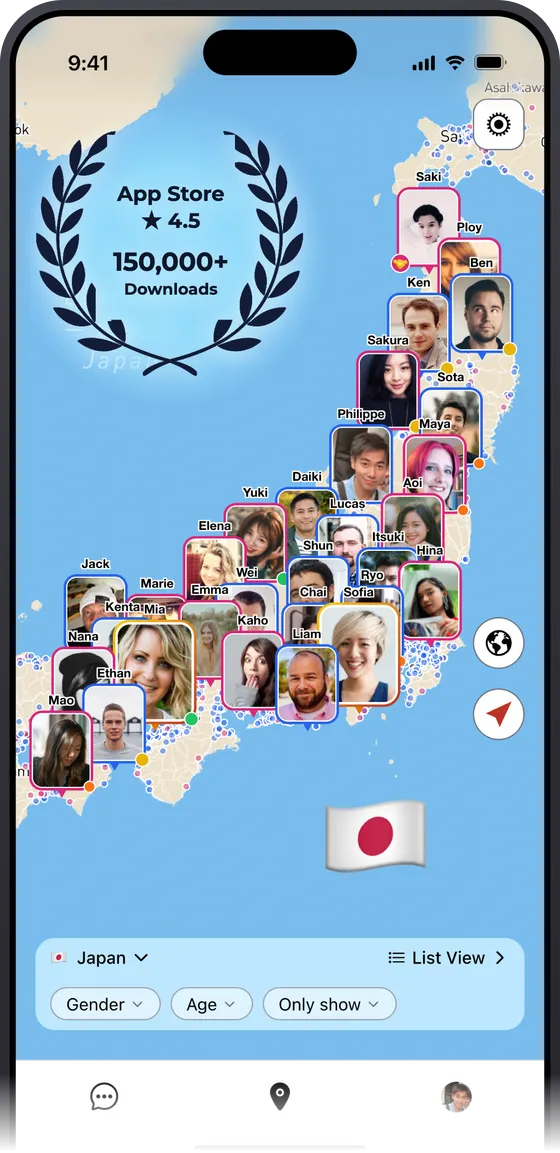
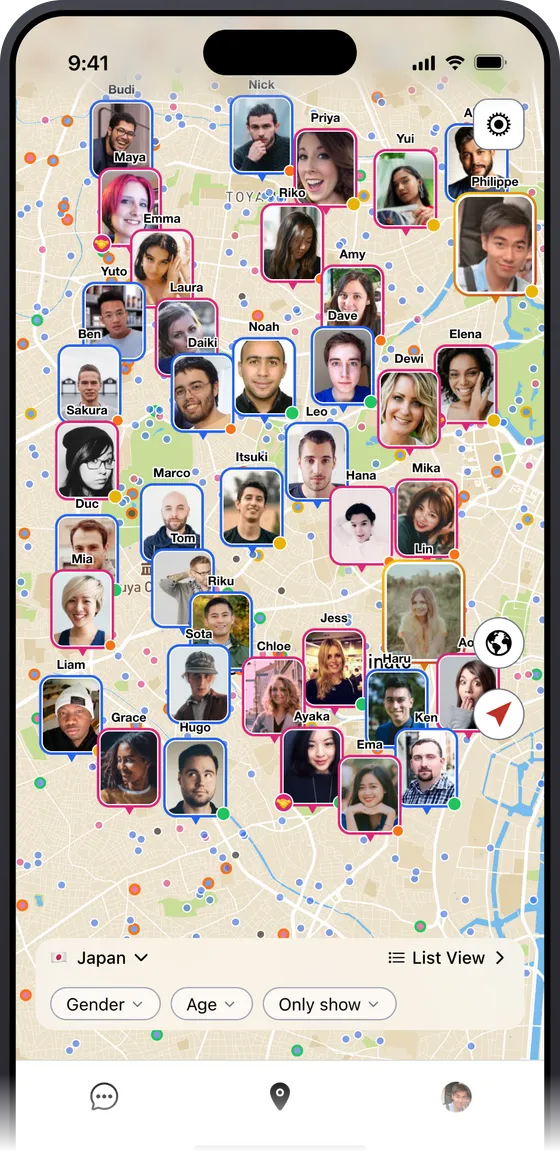
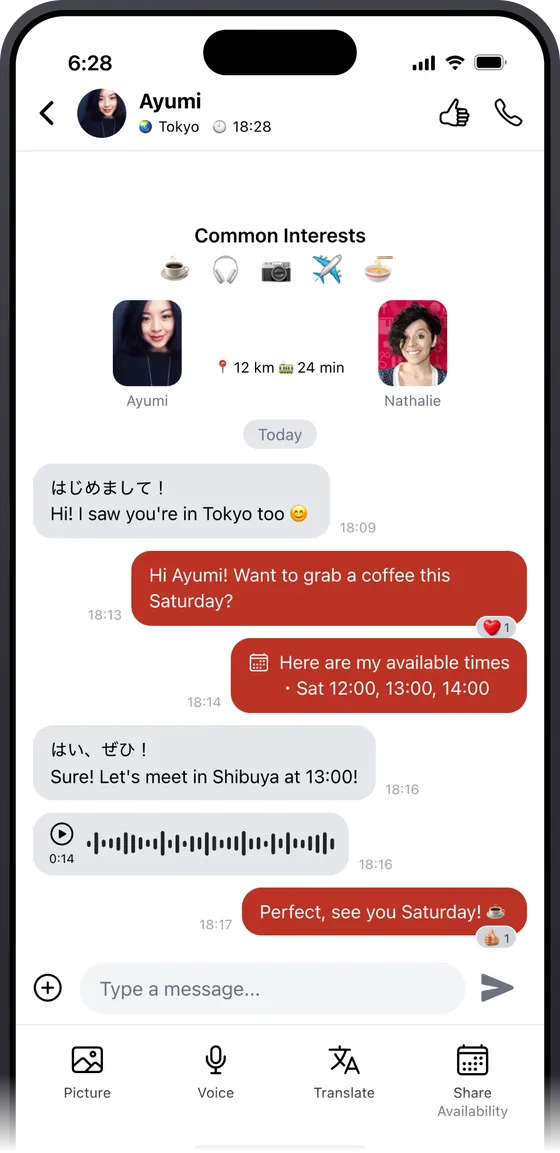


That's the gap SewaYou closes. It's a map-based app that shows you who's nearby and actually open to meeting: locals who want to practice English and would happily swap into Japanese, language exchange partners, other internationals figuring out the same things you are. You trade what you already have for the spoken Japanese reps you need, and you build a few real relationships outside the bubble while you're at it.

You don't have to pick the perfect next job to get unstuck. Start with the part that actually compounds. Rebuild the speaking, and the better job, the bigger network, and the version of Japan you came here for all get a lot closer.
Open the map, find one person near you, and have one slightly awkward conversation this week. That's where it turns around.


