
If you are in danger right now, stop reading and call 119 for an ambulance or 110 for the police. You can say "Help, English please" and stay on the line. Everything below can wait.
Still here? Then this is for the moment many foreigners in Japan dread most. You already see a therapist. You have tried outpatient psychiatry. And you have a clear, frightening feeling that you need more help than a weekly appointment can give.
So you open a search bar and type "English psychiatric hospital" plus your city. The results are thin, mostly clinics, mostly outpatient. It is easy to conclude there is nothing for you.
I want to push back on that conclusion, gently. Not because English inpatient care is easy to find (it isn't), but because searching alone is the wrong first step.
There is a difference between "I'm struggling" and "I'm not safe on my own." Therapy and outpatient clinics are built for the first. When you notice the second, that recognition is not a failure. It is your judgment working.
In my opinion, people living abroad often wait too long here. Part of it is language. Part of it is pride. A big part is that nobody around you knows how bad it has gotten, so there is nobody to say "this is enough, let's get you help."
If your outpatient doctor does not seem to grasp how serious things are, tell them in the plainest words you have. "I do not feel safe." "I think I need to be hospitalized." "入院が必要だと思います" (nyuuin ga hitsuyou da to omoimasu, "I think I need to be admitted"). Doctors in Japan can refer you to an inpatient hospital, and a direct sentence lands harder than a long explanation.
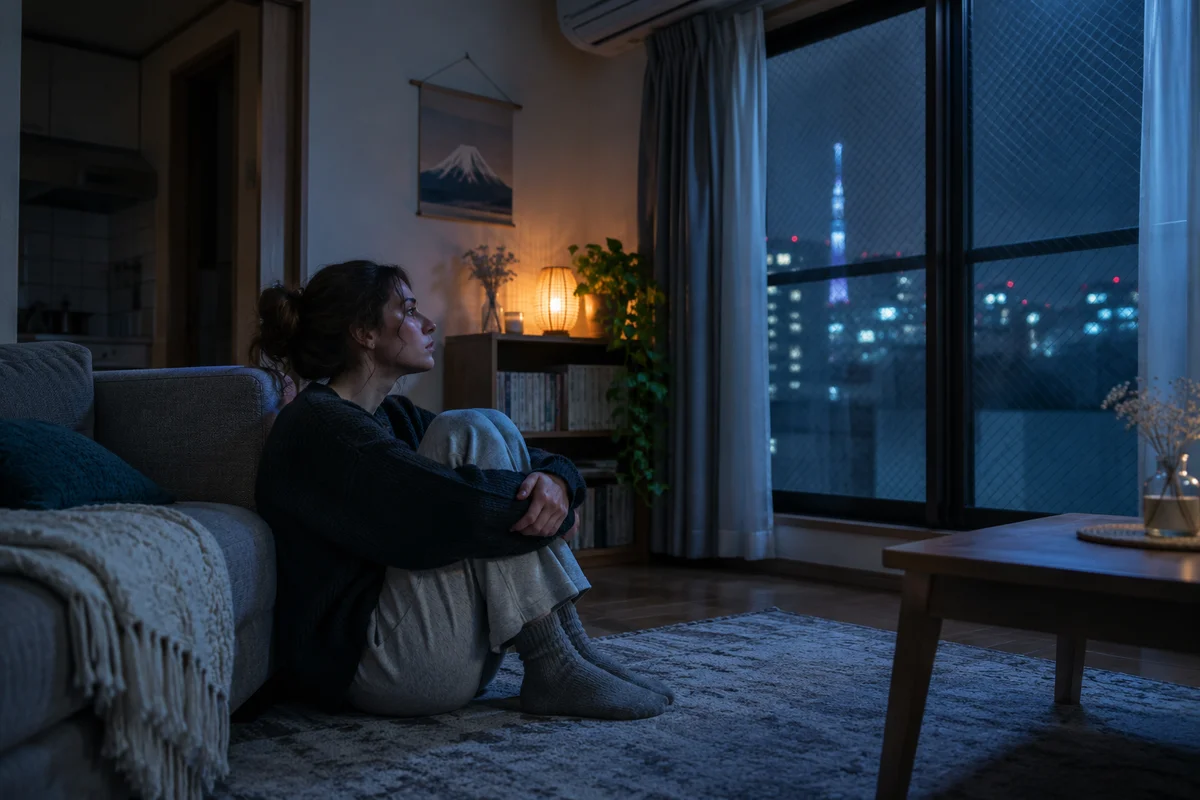
Hours of searching while you are in crisis drain energy you do not have. A phone call hands part of that work to people whose job it is.
Here is where I would start, depending on how urgent things are:
The point is not that one of these will magically produce an English-speaking ward. It is that you stop carrying the search by yourself. Someone on the other end can ask the right questions, in the right language, faster than you can.
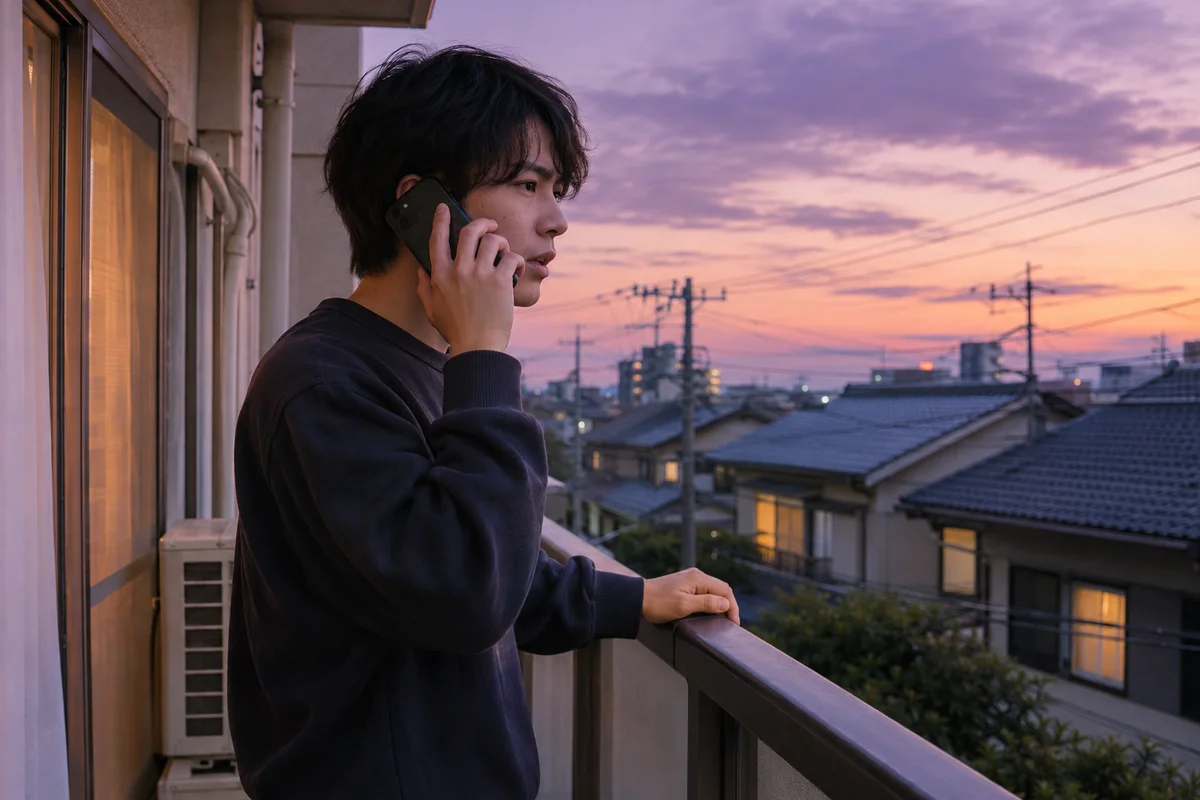
This is the part nobody likes hearing. Even in a huge city, a psychiatric ward that runs fully in English is rare. If you hold out for one, you may hold out through the exact days you most need care.
A better plan, in my view: accept a Japanese-speaking hospital and build the language support around it. Interpretation lines exist. Translation apps help for daily basics. Some doctors read more English than they speak. And the most powerful tool of all is a person sitting next to you.
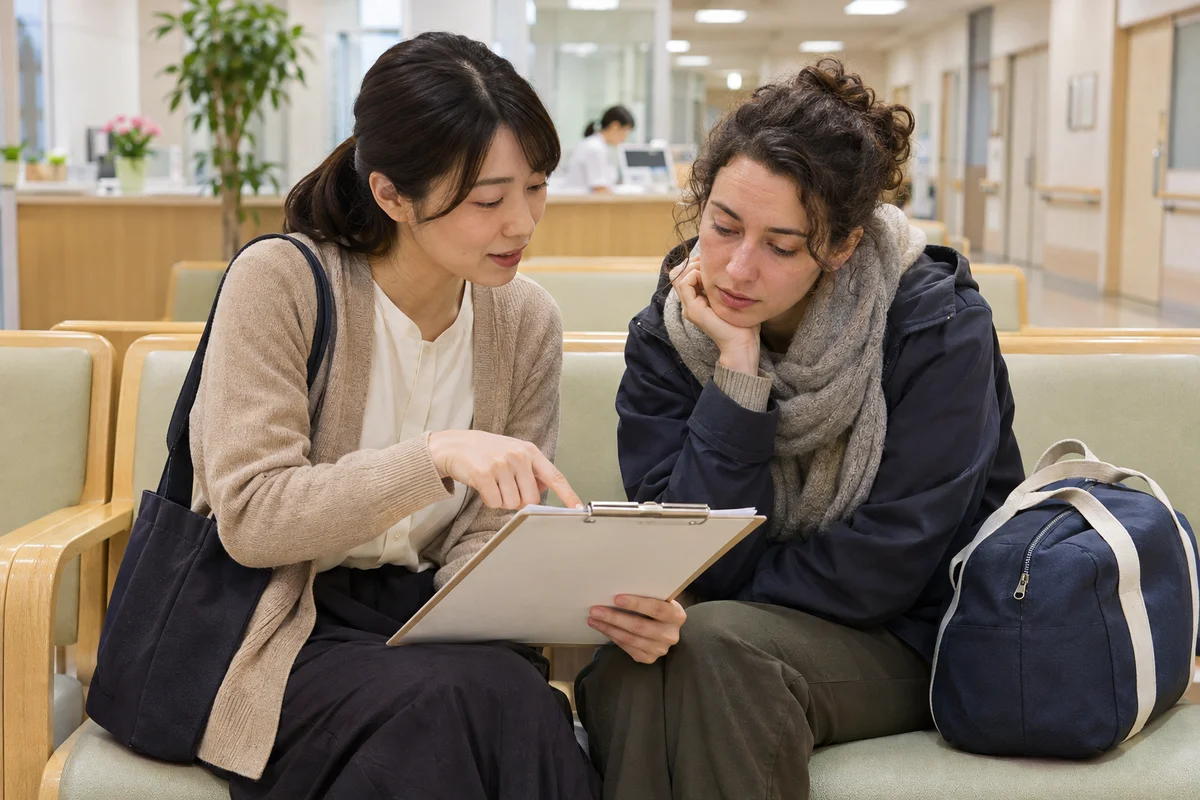
If you can, ask someone to come with you. A Japanese-speaking friend, a coworker you trust, a partner, even an acquaintance who offered to help once. They can handle intake forms, explain your history, and make sure you understand what you are agreeing to.
Bring your residence card, your health insurance card, a list of medications you take, a phone charger and a change of clothes. If you are able to, ask about voluntary admission (任意入院, nin'i nyuuin), which is admission you agree to yourself.
Here is the uncomfortable question underneath all of this. If things got bad tonight, who in Japan would you call?
For a lot of foreign residents, the honest answer is "nobody." Friends back home are asleep or far away. Coworkers feel too formal. Classmates scattered after the language school year ended. Isolation turns a hard week into a crisis, and it turns a crisis into a solo mission.
You cannot build a support network in the middle of an emergency. But once you are steadier, or if you are reading this before anything has gone wrong, it is worth treating friendships in Japan like any other safety net. A few people who know your real name, your neighborhood and your normal mood. At least one who speaks Japanese well.
That doesn't require a huge social life. It requires two or three people you could actually text when it matters. If loneliness has been building for a while, our piece on being a lonely foreigner in Japan goes deeper on that slow drift.
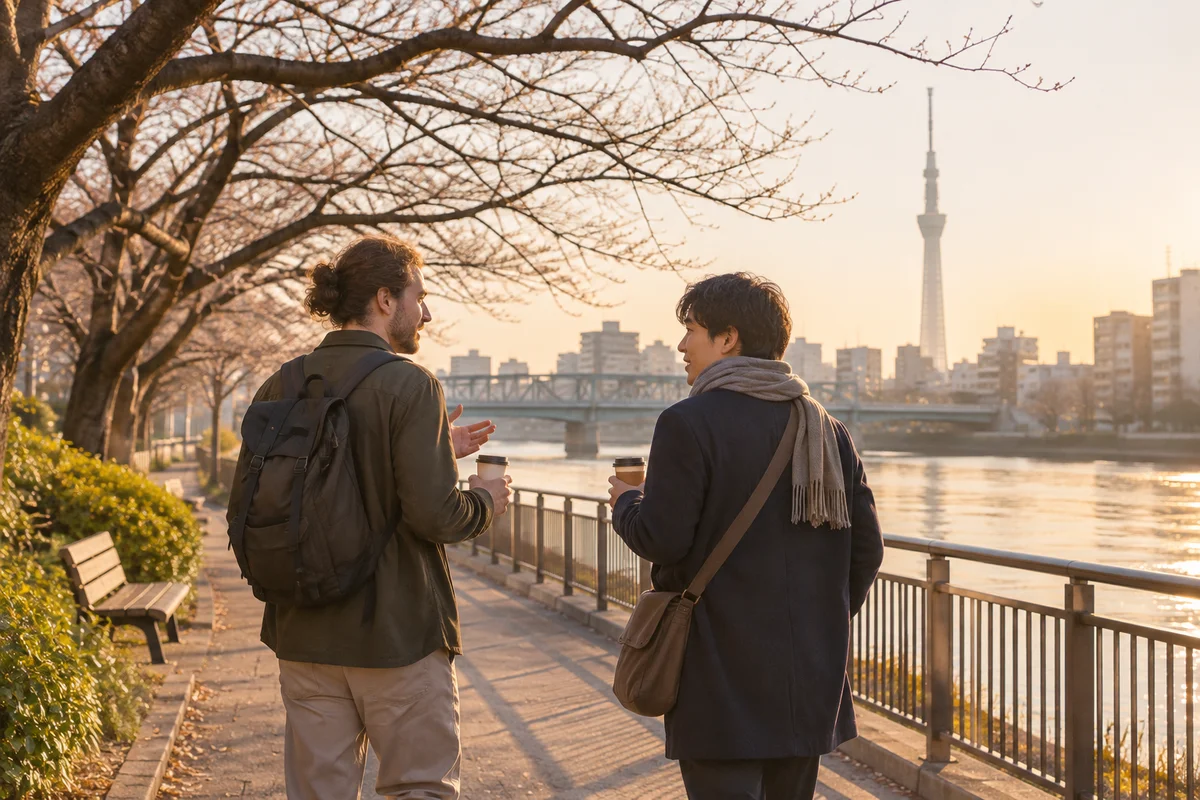
To be clear: an app is not crisis care. If you are in danger, the numbers above come first, always.
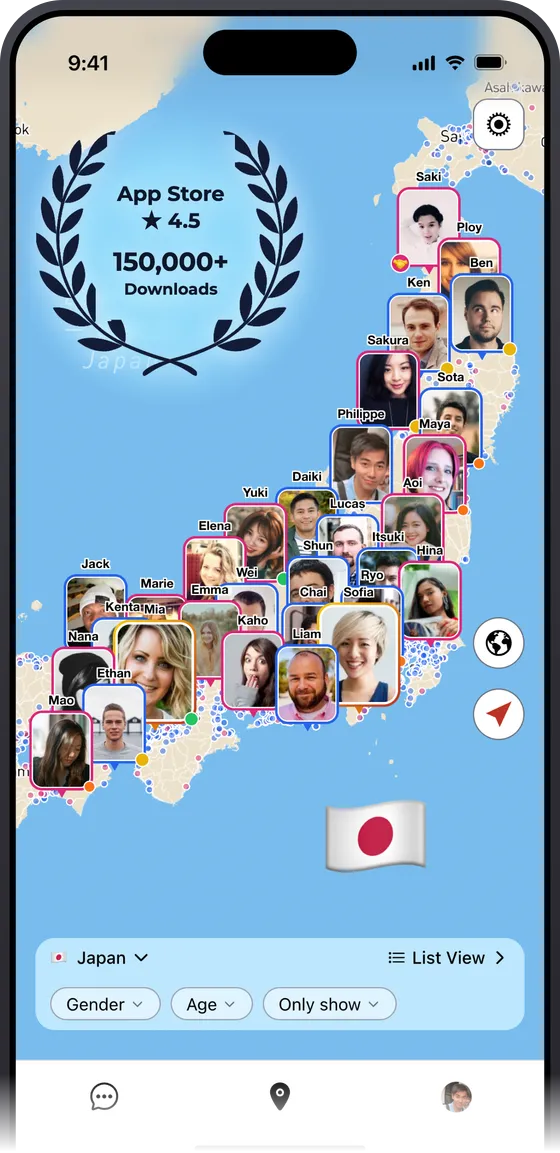
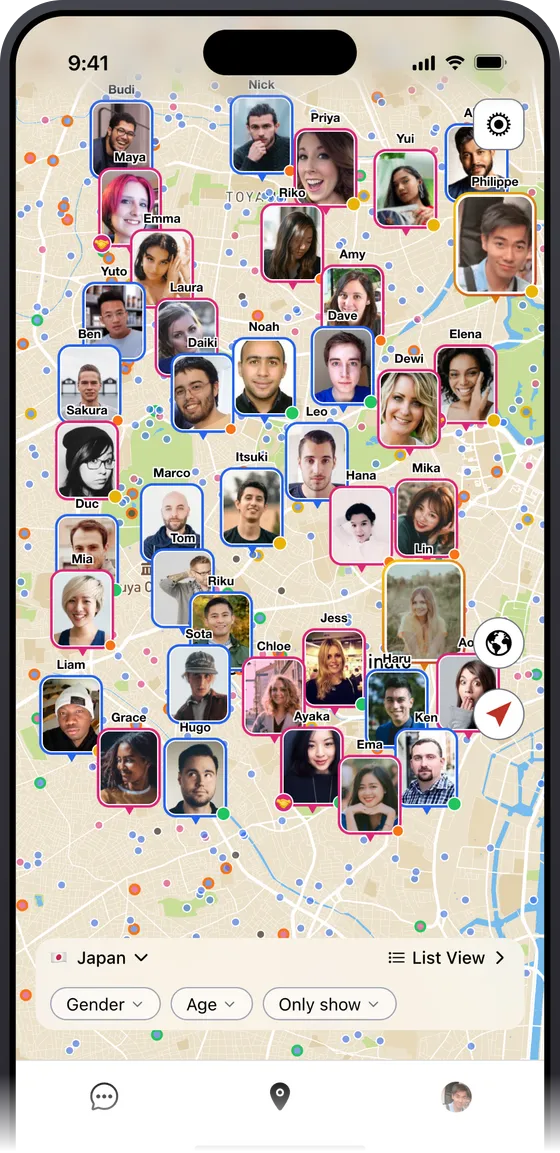
But the slow work of finding your people is where SewaYou fits. It is a map-based friendship app for meeting people nearby and anywhere in the world. You can find people in your own neighborhood in Japan, including Japanese locals who might be the friend who comes with you to a clinic one day. You can also browse another city or country from home and build online friendships that keep you company on quiet nights, then meet up when you are near each other.
Make Japanese Friends On a Live World Map
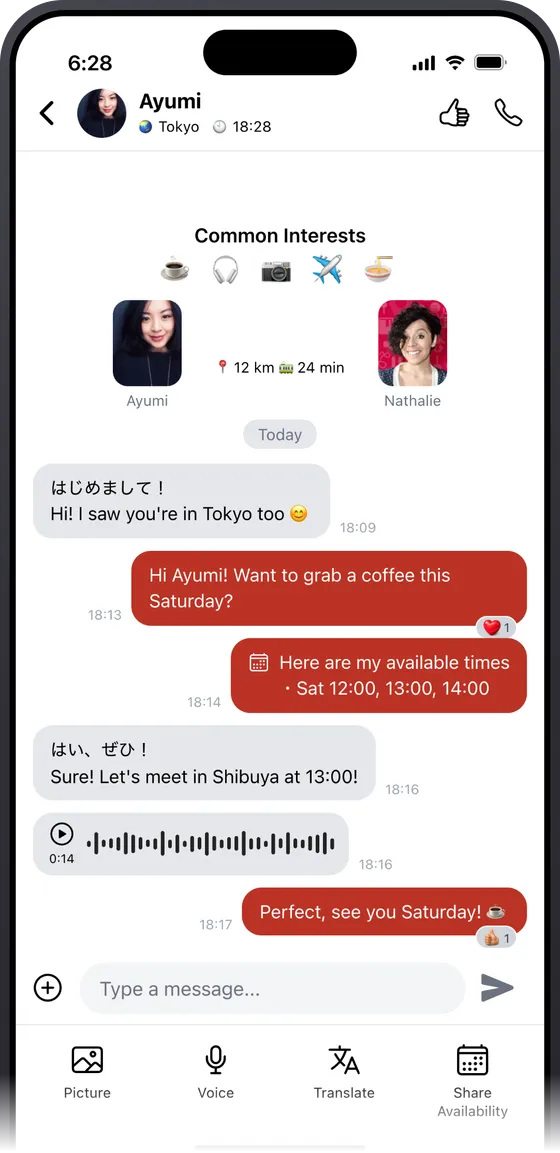


None of that replaces a doctor. It just means that the next time life gets heavy, you are not facing it completely alone.
If you are struggling right now, call TELL or 119 first. And when you are ready to start building your circle, download SewaYou and say hello to someone near you, or anywhere in the world.