
You finish everything on your list. You work fast, maybe faster than anyone on your team. Then, near closing time, your senpai offers you a choice: keep going a little longer, or pick it up tomorrow.
You pick tomorrow. It sounded like a real option. The next day, you hear that leaving was the wrong answer.
That moment stings in a specific way. It isn't only the criticism. It's the feeling that the effort you put in all day counted for less than the hour you didn't sit at your desk.
In many offices, Japanese or not, an offer can carry an expected answer. "You can go home if you like" may be sincere. It may also be a polite way of checking whether you'll volunteer to stay.
When you're new to the workplace, or new to the language, those two meanings can sound identical. An unclear offer isn't your failure. You answered the words you were given.
So the fix isn't to start guessing better. It's to stop letting the end of the day run on guesses. Next time, try something like: "I've finished today's tasks. Is there anything you need from me before I leave, or is it fine to continue tomorrow?"
That turns a vague option into a concrete answer. If they need something, you hear what it is. If they say it's fine, you can leave with a clear conscience and a clear record of the conversation.

Hours are easy to see. Output often isn't. A manager walking past the office at 8 p.m. notices who is still there. They may not notice that you closed three tickets before lunch.
In my experience, a lot of "stay late" pressure comes from that visibility gap rather than from anyone sitting down and deciding that efficiency doesn't matter. It can feel like a judgment on your character. Often it's a habit that nobody has questioned out loud.
That doesn't make it fair. But it does point to something you can actually change: make your finished work impossible to miss.
A two-line message before you leave works well. What you completed today, what's next, and anything that's waiting on someone else. It takes a minute, it shows you're not dropping things, and it gives your senpai something concrete to point to if anyone asks why you went home.

So how do you hold your position when someone tries to guilt you into staying? A few things tend to help:
Overtime in Japan is supposed to be an arranged, recorded thing, not a mood. If you're being pressured into unrecorded hours, that's worth getting proper advice on rather than absorbing silently.
None of this guarantees your senpai will change their mind. Some people genuinely believe long hours are the job. You can respect that they believe it without adopting it.

Here's the part that rarely gets said. When you leave at a normal hour, you're not just avoiding overtime. You're keeping room for the rest of your life.
If work is the only place you talk to people, every comment from a senpai carries enormous weight. One frown can follow you home and sit with you all night. A life outside the office shrinks that weight back to normal size.
That might be a weekly class, a run with a neighbor, or a chat with someone in another country who has never heard of your team's unwritten rules. Those conversations remind you that the office is one place you spend time, not the measure of who you are.

If your evenings have started to feel empty, or simply dominated by replaying work, it helps to have people to reach out to who sit completely outside that world.
SewaYou is a map-based friendship app for meeting people nearby and anywhere in the world. You can find someone in your neighborhood for a weekend walk, explore another city or country from your couch, make online friends without any travel plans, or connect with people before a trip and meet once you're there.
Make Japanese Friends On a Live World Map
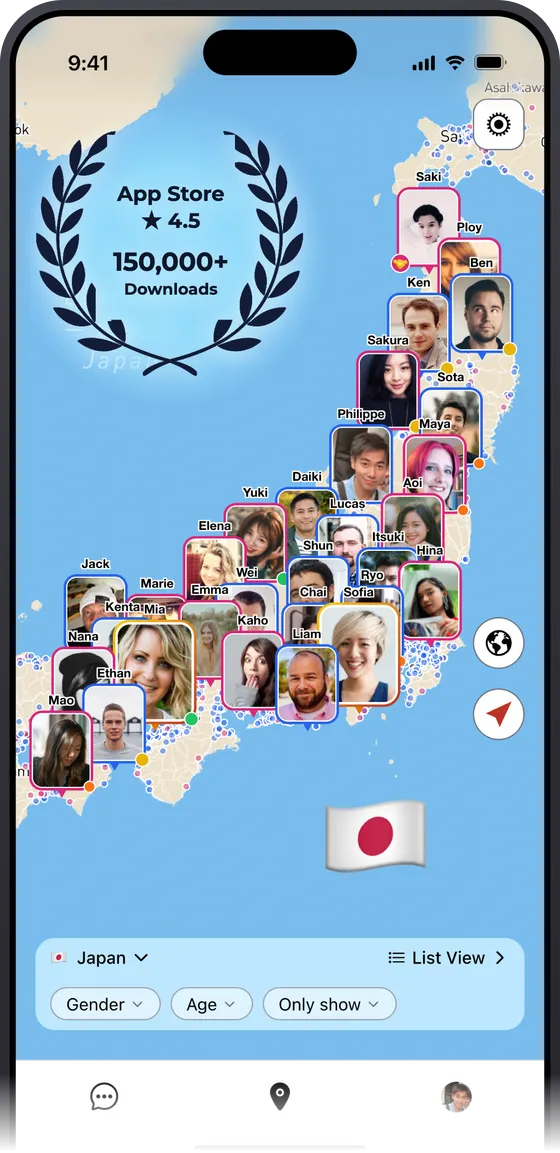
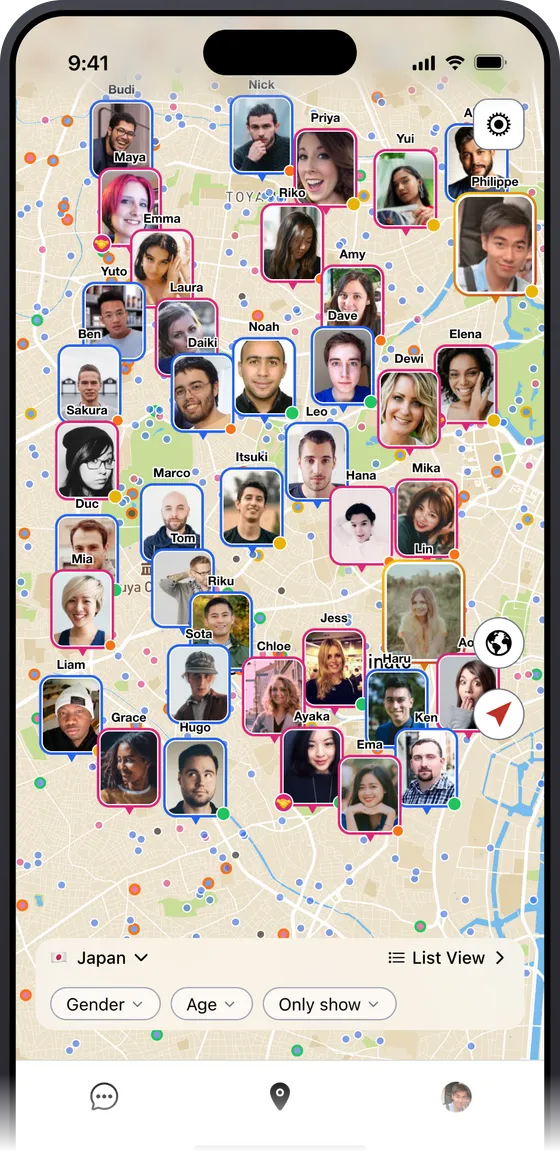
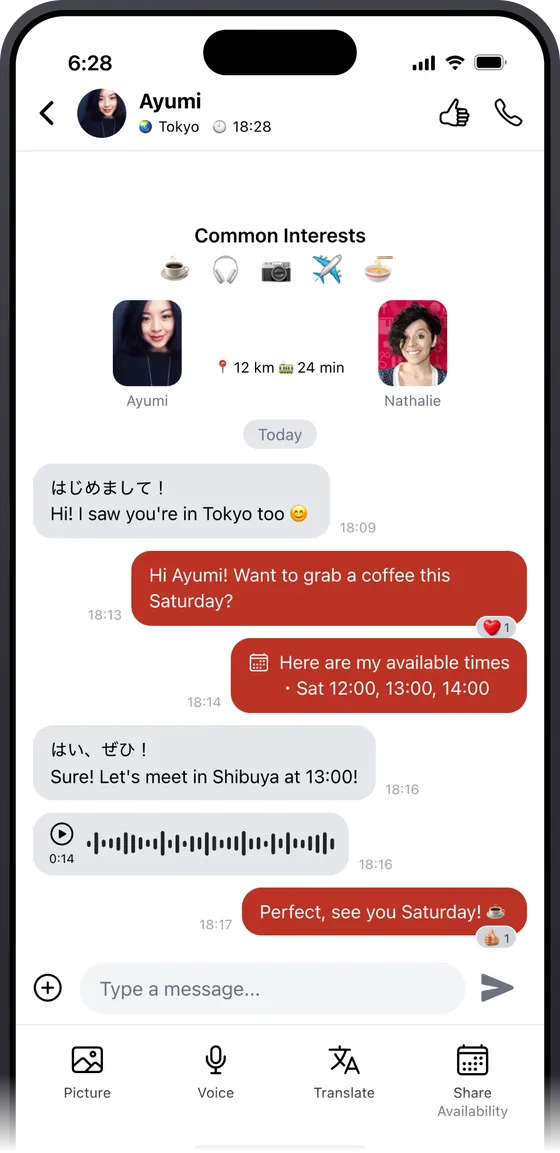


Nobody there is counting how late you stayed. Start with one conversation about something you actually enjoy, and let your evening belong to you again.
Download SewaYou to meet people nearby or anywhere in the world, and give your free time back to the parts of life that aren't measured by the clock.