
Every foreigner in Japan eventually gets asked the same question at a drinking party. "So, are you staying forever?" People ask it lightly, the way they ask about your weekend. But the answer is rarely light, and it depends a lot more on your passport than anyone at the table admits.
I have watched this question land very differently on different people. For some of my friends it is a fun hypothetical. For others it is a quiet calculation they run every month when they send money home.
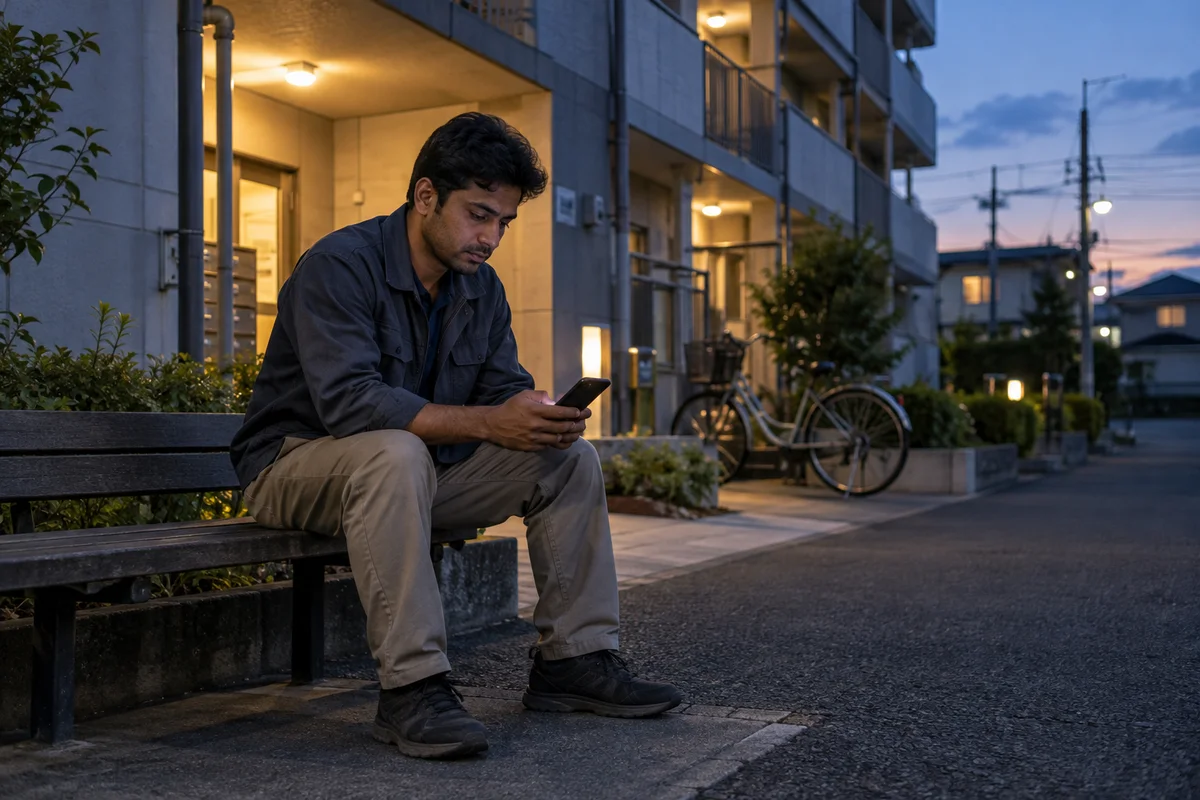
When life in Japan gets hard, the standard advice from other foreigners is simple. If you are not happy, leave. Plenty of people say it, and for some of them it is genuinely true. If you come from a high-income country, going back can mean a higher salary, a familiar job market, and family nearby. Japan was an adventure. Ending it is a choice, not a cliff.
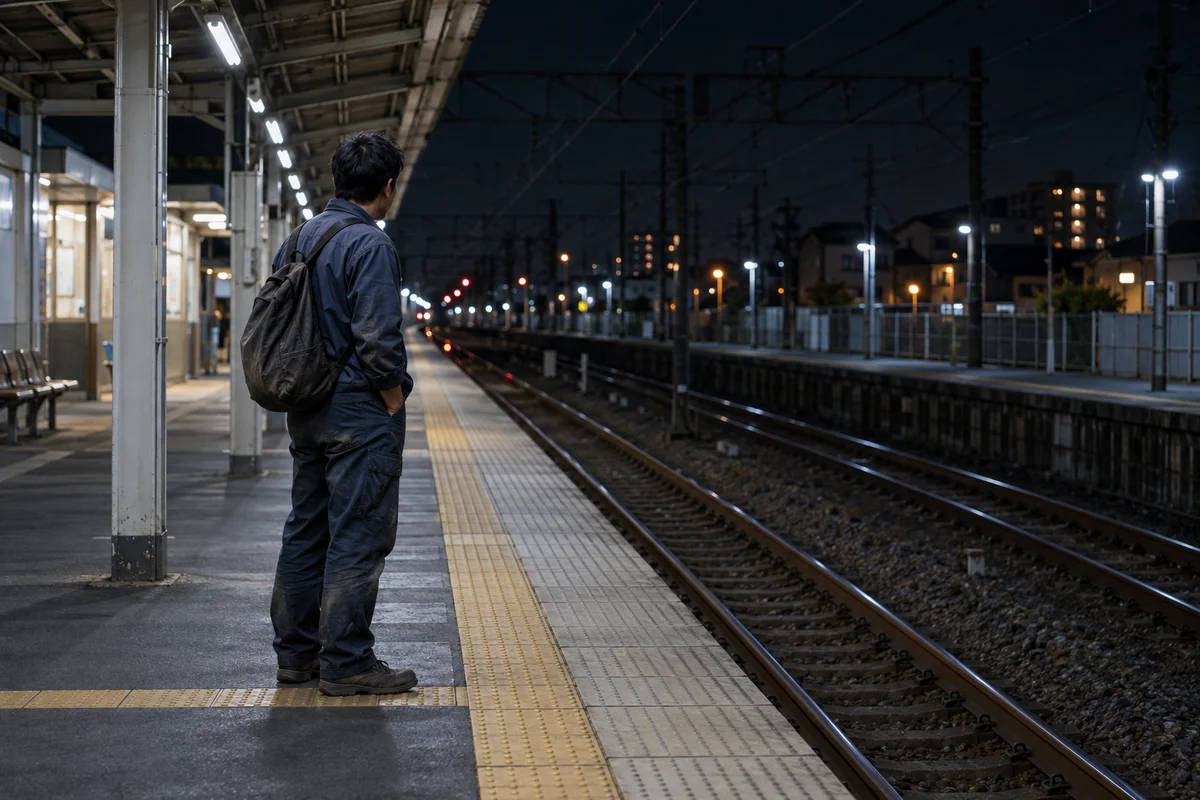
Now picture a coworker who came from a country where the same skills pay a fraction of what they pay here. Leaving does not mean a raise. It can mean starting over in a job market with fewer openings, after years away from it. The exit door is not the same size for everyone. Two people can stand in the same office, earn the same salary, and face completely different futures if they quit.
That is not a reason to pity anyone. Many people from developing countries build very good lives here and would choose Japan again. It is a reason to stop treating "just leave" as neutral advice.
If your salary stays in yen and your life stays in Japan, a weak yen is mostly a story about expensive trips abroad and pricier imported cheese. Annoying, but abstract.
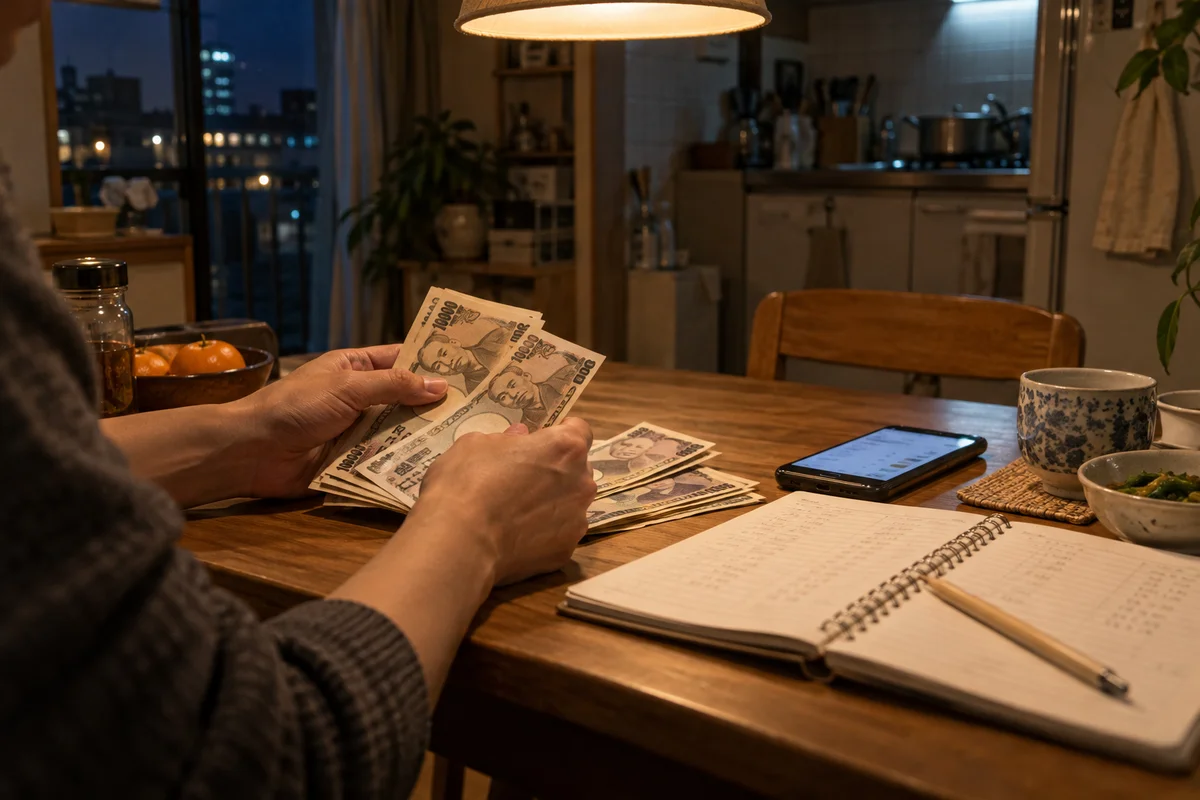
If part of every paycheck goes to parents, siblings or kids in another country, the exchange rate is not news. It is rent for someone you love. When the yen buys less, you either send more yen to cover the same need or you send less and feel guilty about it. People in that position are often running a budget that nobody around them can see.
Your coworker's budget has an invisible second household. That explains a lot of things that look odd from outside. Skipping the after-work izakaya. Taking every overtime shift. Staying in a job they clearly dislike. It is not a lack of fun. It is responsibility.
Here is the part that worries me most. When leaving is not a realistic option, every bad day in Japan has nowhere to go. A rude comment at a shop, a landlord who hesitates when they see your name, a manager who talks to you more slowly than everyone else. Someone with an easy exit can shrug and think, "I will be gone in two years anyway." Someone who plans to stay has to absorb it.
And many of these same people have the least free time and money to build a social life. Long hours, a tight budget and a small apartment shared with other workers do not leave much room for hobbies or meetups. So the people with the most reasons to feel stuck often have the fewest people to talk to about it.
Being stuck feels heavier when you are alone. Feeling like you cannot leave a place is very different from feeling like you belong there. The first is about money. The second is about people.
I do not think the stay-or-leave question has a right answer. Plans change, families change, exchange rates change. What I have noticed is that the people who handle that uncertainty best are rarely the ones with the biggest savings. They are the ones with a few solid people around them.
A friend who knows which city offices have staff who speak your language. A neighbor who invites you to their family dinner when you cannot afford the flight home for the holidays. Someone from your own country who understands the remittance math without you having to explain it. Someone Japanese who reminds you that the rude shop clerk does not speak for everyone.
Friends make staying a choice again. They will not fix the exchange rate. But they change the question from "Can I afford to leave?" to "Do I want to?"
None of this needs money. A walk by the river, cheap curry, an hour of language practice in a park. Some of the strongest friendships I have seen in Japan started over things that cost almost nothing.

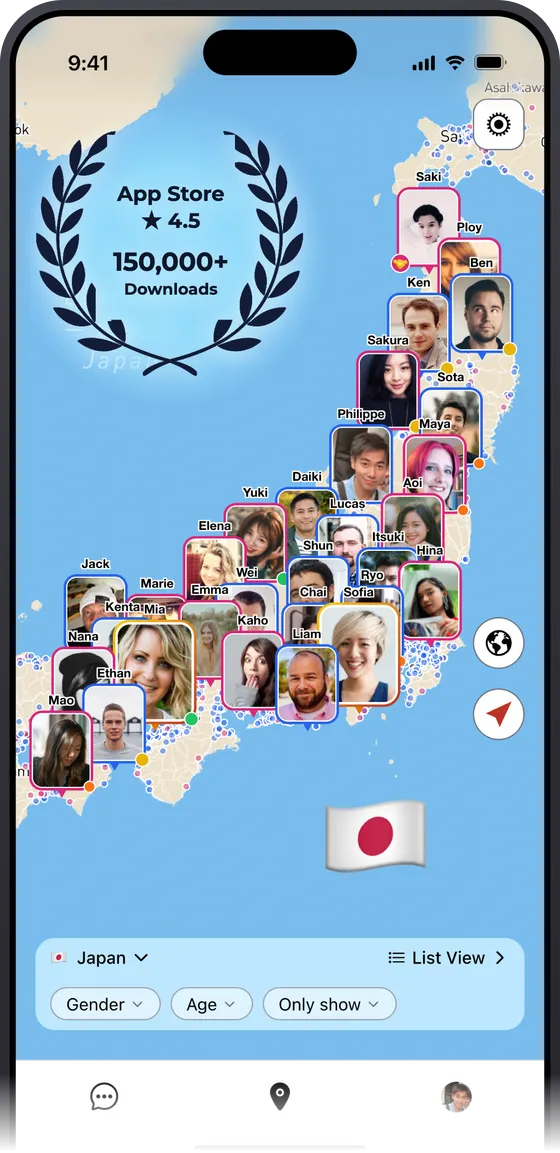
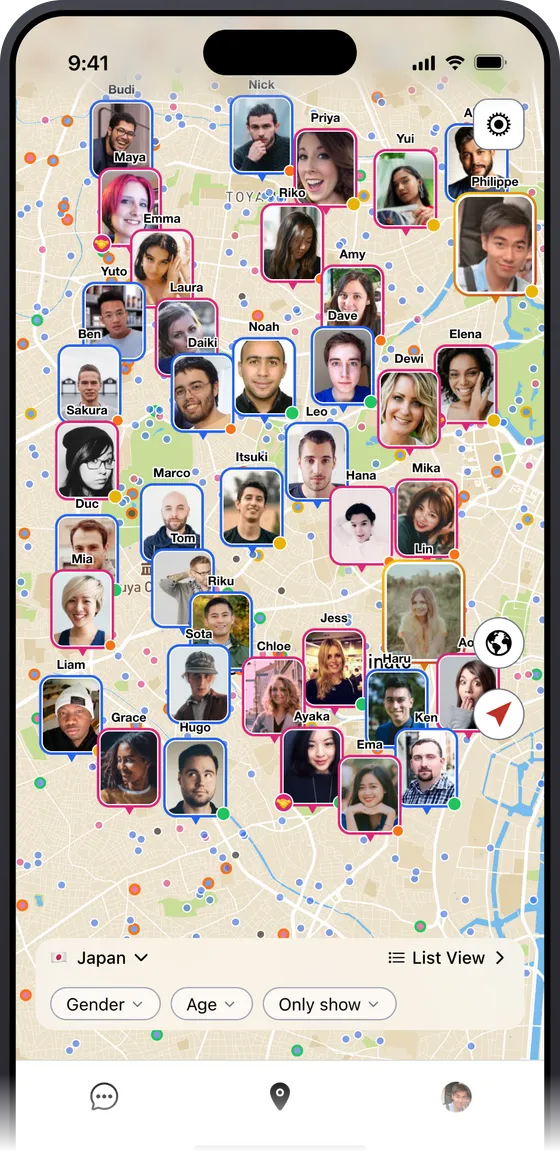
This is why we built SewaYou around a map instead of a feed. You can see people near you who want to make friends, whether that is someone from your home country in the next neighborhood or a Japanese local who wants to practice your language. You can also explore people anywhere in the world, so you can keep in touch with your home culture from Japan or meet people in a city you might move to next.
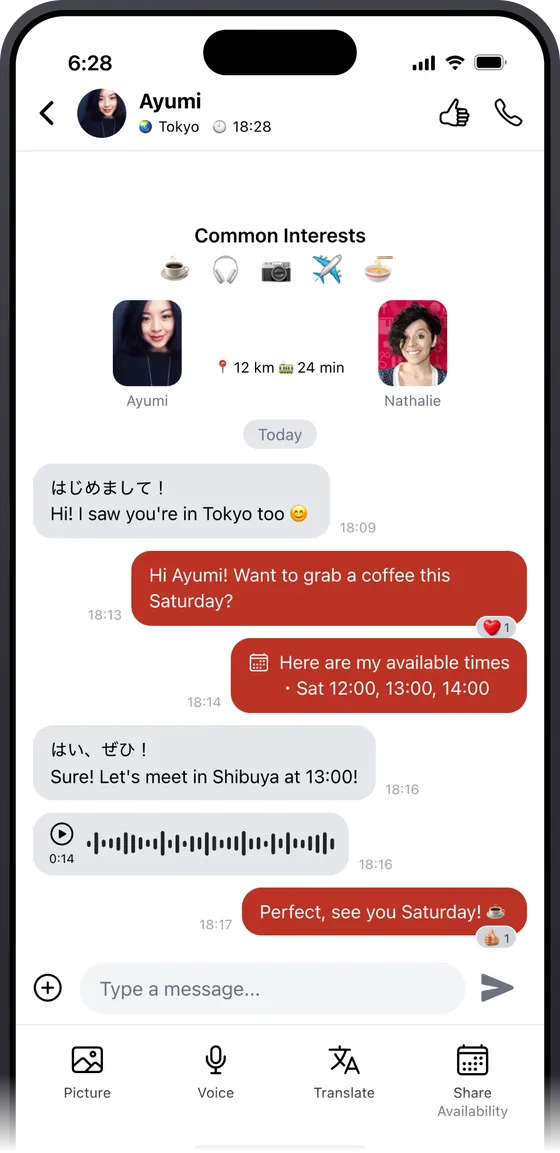
There is no swiping required. You can look around the map, use filters to narrow things down, and message someone when a profile clicks. It works the same whether you meet up this weekend or keep chatting online for months.
Make Japanese Friends On a Live World Map


Whatever your answer to "are you staying forever?", you deserve to spend the years in between with people who know your name. Download SewaYou, open the map, and say hello to one person this week. That first message costs nothing, and it might be the reason Japan feels like a place you chose.