

There is a specific kind of quiet panic that hits about three months into your first job in Japan.
You have been doing everything right. Or what you thought was right. During interviews and onboarding you called every manager and every HR person by the most respectful word in your vocabulary, the one the textbooks reserve for customers and gods. You bowed at the correct angle. You read the room as hard as you could.
Then one afternoon you actually listen. And you notice that everyone in the office, the senior engineers, the team lead, even the people talking about the CEO, uses something much plainer. Something casual enough that it almost sounds rude to you. And you realize you have been the only person in the building speaking like a department store clerk for an entire quarter.

Here is the thing nobody warns you about. Your Japanese is not wrong. It is too right.
Classes and apps drill you toward maximum politeness because politeness is the safe default for a learner. The job-hunting machine makes it worse. Every guide tells you to be ultra-formal with recruiters, and that setting never gets switched off. So you walk into a real workplace running the formality dial at eleven while everyone around you settled into a warm, normal register on their first day.
Politeness has a ceiling.
Past a certain point, extra formality stops reading as respect and starts reading as distance. It tells the room you do not feel like one of them yet. You are technically correct and socially off, and those are not the same thing.

You could fix the word in two seconds. The reason you went three months without fixing it is the part worth paying attention to.
Nobody corrected you.
Think about why. Pointing out that a new colleague is being too polite is itself a slightly awkward, face-threatening thing to do. So your coworkers just let it slide. They smile. They answer your over-formal questions with normal-formal answers. The mismatch sits there in plain sight and not one person closes the gap for you, because closing it would mean a tiny uncomfortable moment, and the office runs on avoiding those.
Nobody corrects you.
This is the trap of learning a language inside a workplace. You are surrounded by fluent speakers for eight hours a day and almost none of that contact turns into feedback. Coworkers are not your teachers. They are people managing their own awkwardness, and your slightly-off Japanese is your problem to notice, not theirs to flag.

The unwritten layer of a language is huge. When does formal slide into casual. How people actually greet each other on a Monday. Which apology is reflex and which one is serious. When a text gets an emoji and when it absolutely does not. None of that is in a grammar book, and you cannot brute-force it with more flashcards.
The only way that layer transfers is through someone comfortable enough with you to say the quiet part out loud. Not a coworker who has to keep things smooth. A friend who will just tell you, "hey, nobody actually says it that way, drop it."
A relationship gap, not a language gap.
One person like that teaches you more in a month of normal conversation than a year of perfect study. They are not grading you, so they will correct you. They text the way real people text, so you learn the real register by osmosis. They will laugh at your over-polite phase with you instead of politely ignoring it forever.
One casual friend beats a hundred flashcards.

The catch is obvious. If you could easily make a relaxed Japanese friend who corrects your honorifics over coffee, you probably would have already. Work hands you proximity without intimacy. Apps built for dating point you somewhere else entirely.
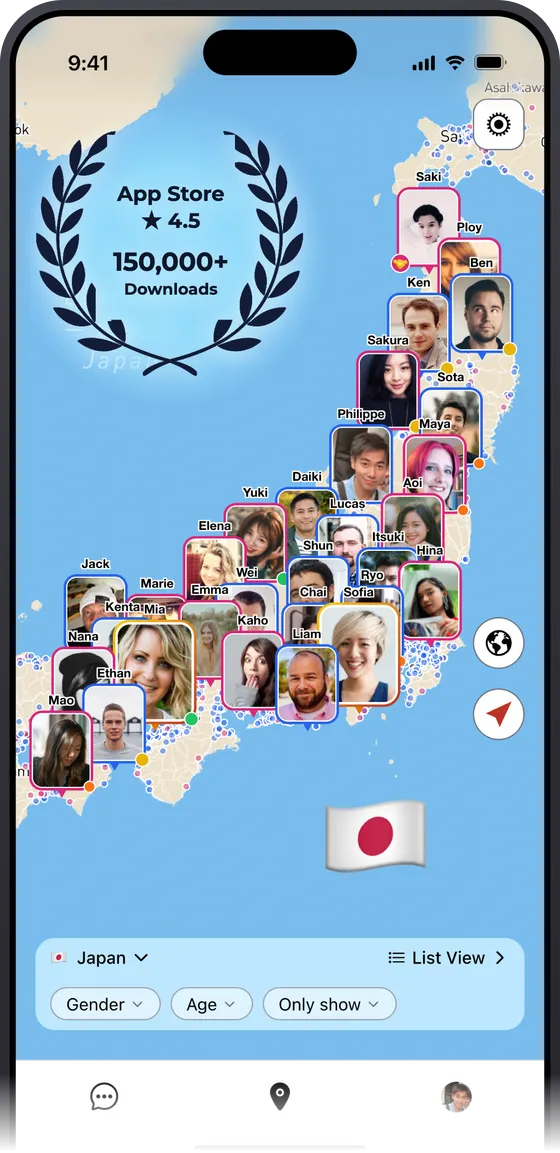
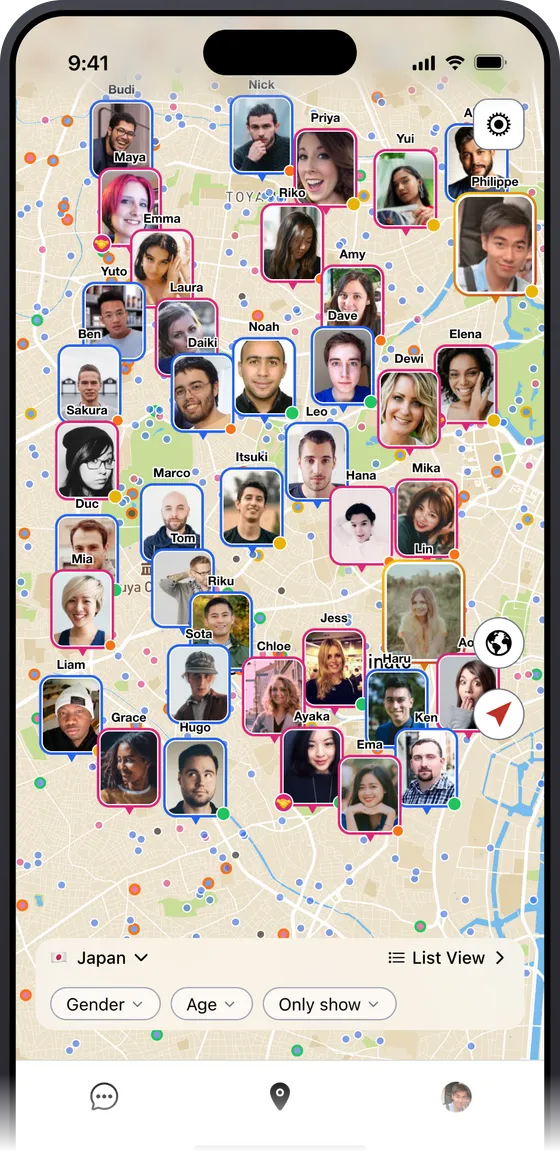
SewaYou is built for exactly this gap. It is a map-based app that shows you real people near you who actually want to meet for language exchange and friendship, not a feed of strangers a country away. You can see who is around your neighborhood or your station, find someone learning your language while you learn theirs, and turn proximity into the kind of friendship where the unwritten rules finally get spoken.
Make Japanese Friends On a Live World Map
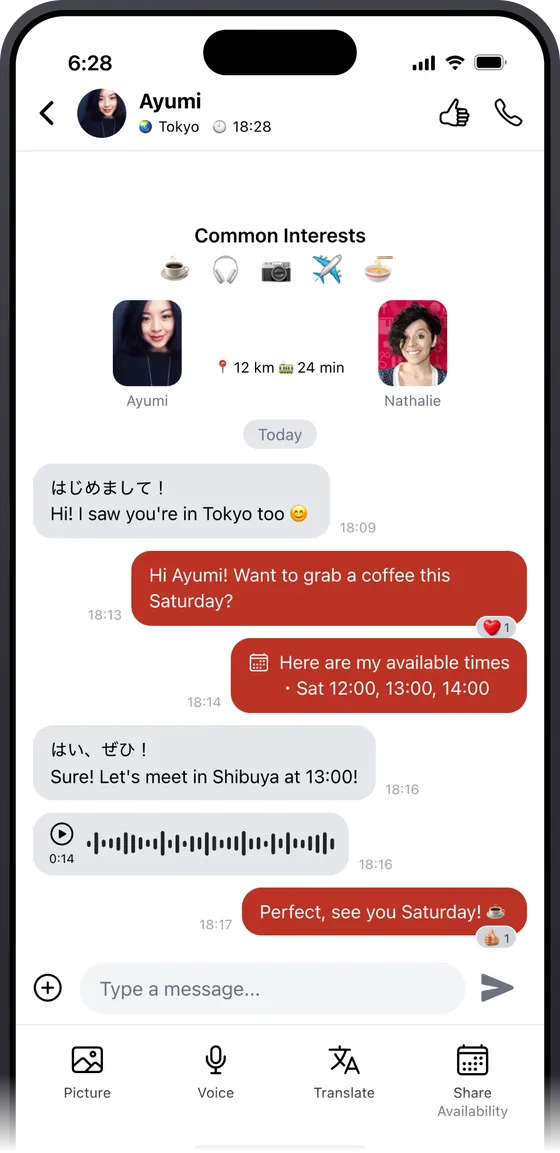


That is the difference between knowing Japanese and being trusted with the casual version of it. The textbook gets you in the door. A real friend tells you when to relax.
So if you have been quietly running your formality dial at eleven, the fix is not another grammar drill. It is one honest person who will tell you the things the office never will. Find yours on SewaYou, and let your Japanese finally sound like it belongs.


