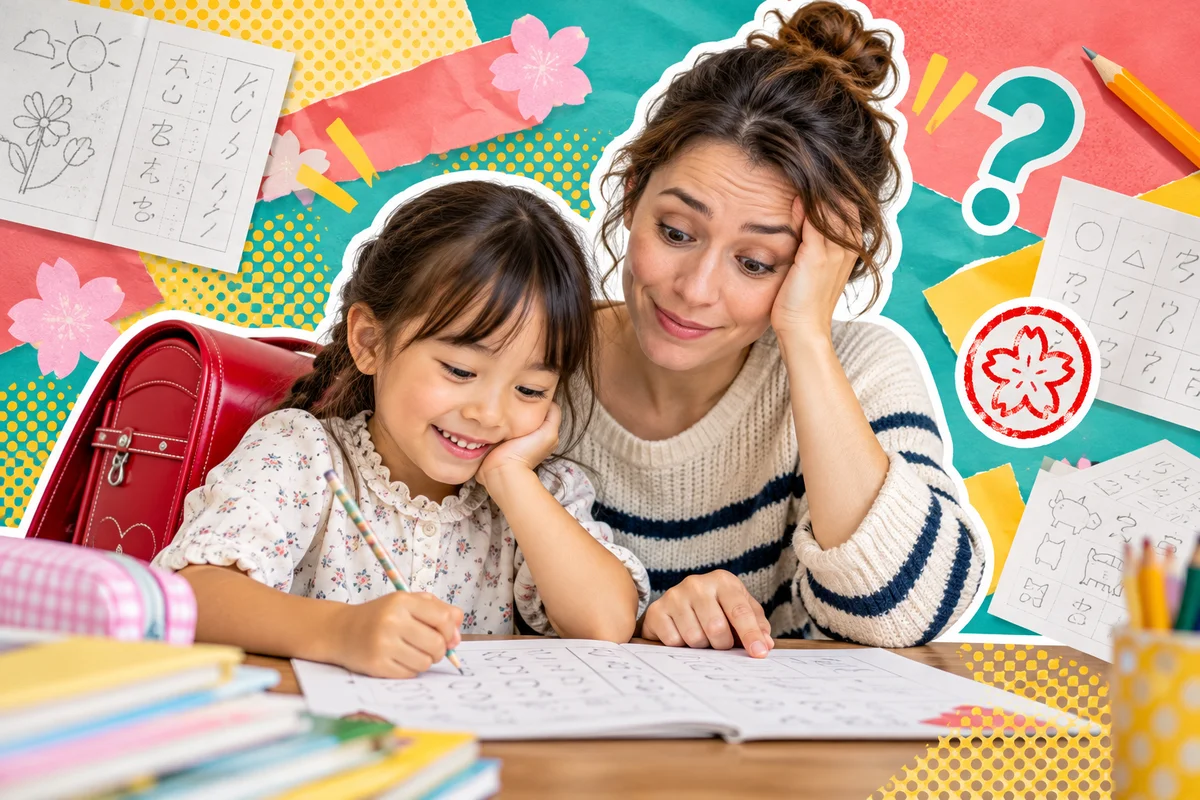
Your child walks out of the house with a randoseru almost as big as they are, and you feel proud. Then the first week of homework comes home, and that pride gets company. A reading card to sign. A hiragana sheet to check. A stack of school letters full of words you have never seen.
Here is the part that surprises a lot of foreign parents. You can be decent at Japanese, even good at it, and still get stuck on a first-grade textbook. Children's readers are full of old-fashioned words, sound effects, plant and animal names, and phrases nobody uses at the office. Textbooks for kids were never written for adult learners.
So if you have felt a small wave of panic at the kitchen table, you are not alone, and it does not mean you are failing your kid.
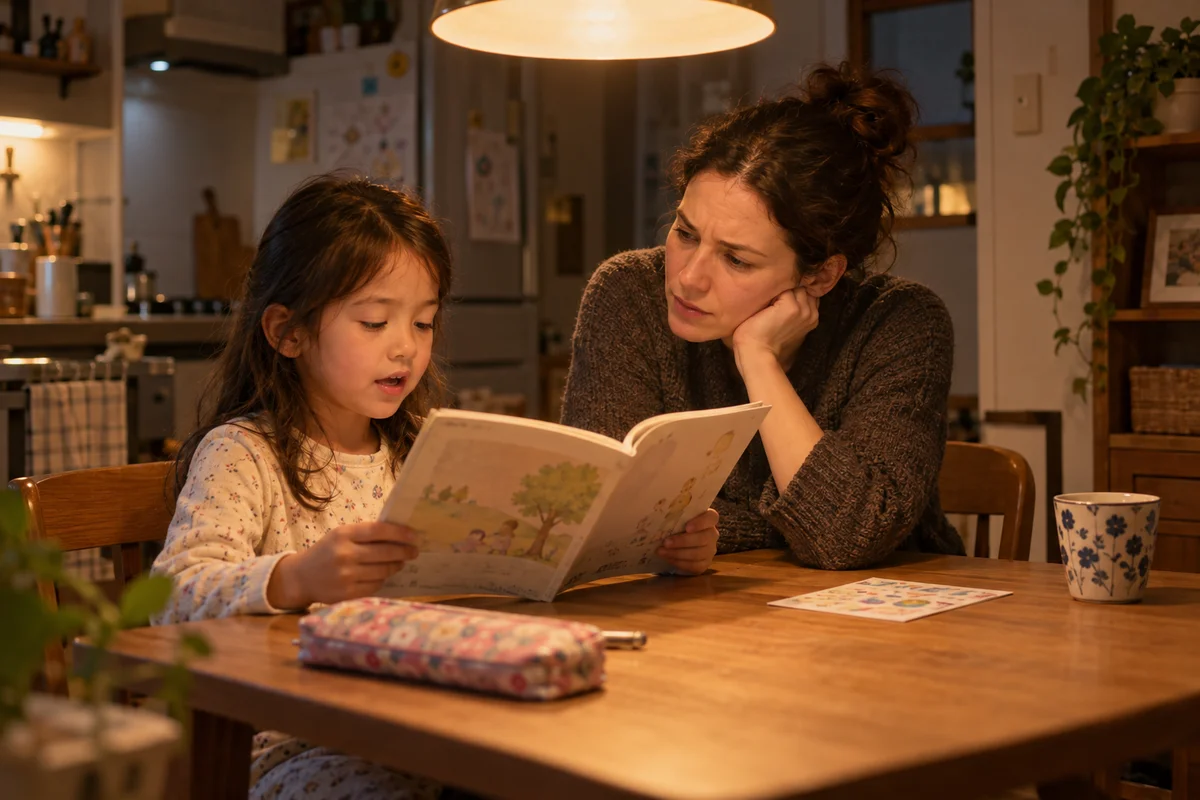
In the first years of Japanese elementary school, a lot of the learning loop runs through home. A common example is ondoku, reading a passage out loud every evening, with a parent listening and signing or stamping a card. Add worksheets, a contact notebook, and letters about events and things to bring, and it can feel like the school assumes there is a fluent adult at home every night.
But look closely at what most of those tasks need from you. Listening while your child reads. Noticing if they skipped a line. Saying "nice job" and putting your stamp on the card. Most of it is attention, not grammar.
Your child is the one learning to read. You are there to make it a habit. You can do that well without understanding every word they say.
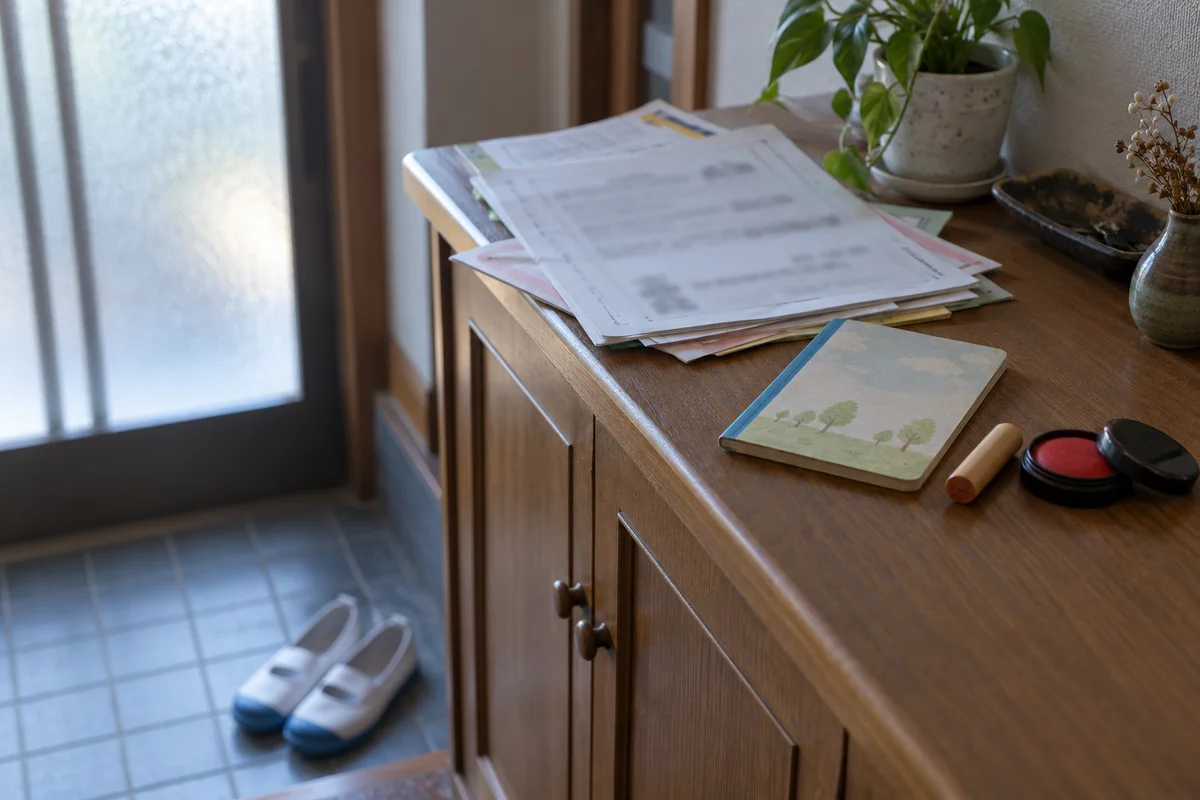
The reading practice is usually manageable. The harder part tends to be the paperwork and the unwritten rules. A letter that says to bring something by Thursday. A form about a school trip. A note about a parent meeting that everyone else seems to already know about.
This is where kids of non-Japanese-speaking parents can quietly miss things. Not because they cannot keep up in class, but because the adults around them missed a detail. Forgotten gym clothes. A permission slip that never came back. A school event the family did not know was a big deal.
Translation apps help a lot with the letters, especially if you photograph them. Still, they cannot tell you what "please cooperate" means in practice, or whether everyone actually brings a homemade bento for that event. Context lives in people, not apps.
From what I have seen, children who spend their whole school day in Japanese usually pick up reading faster than their parents expect. Teachers repeat things. Classmates help. The routine carries a lot of the weight.
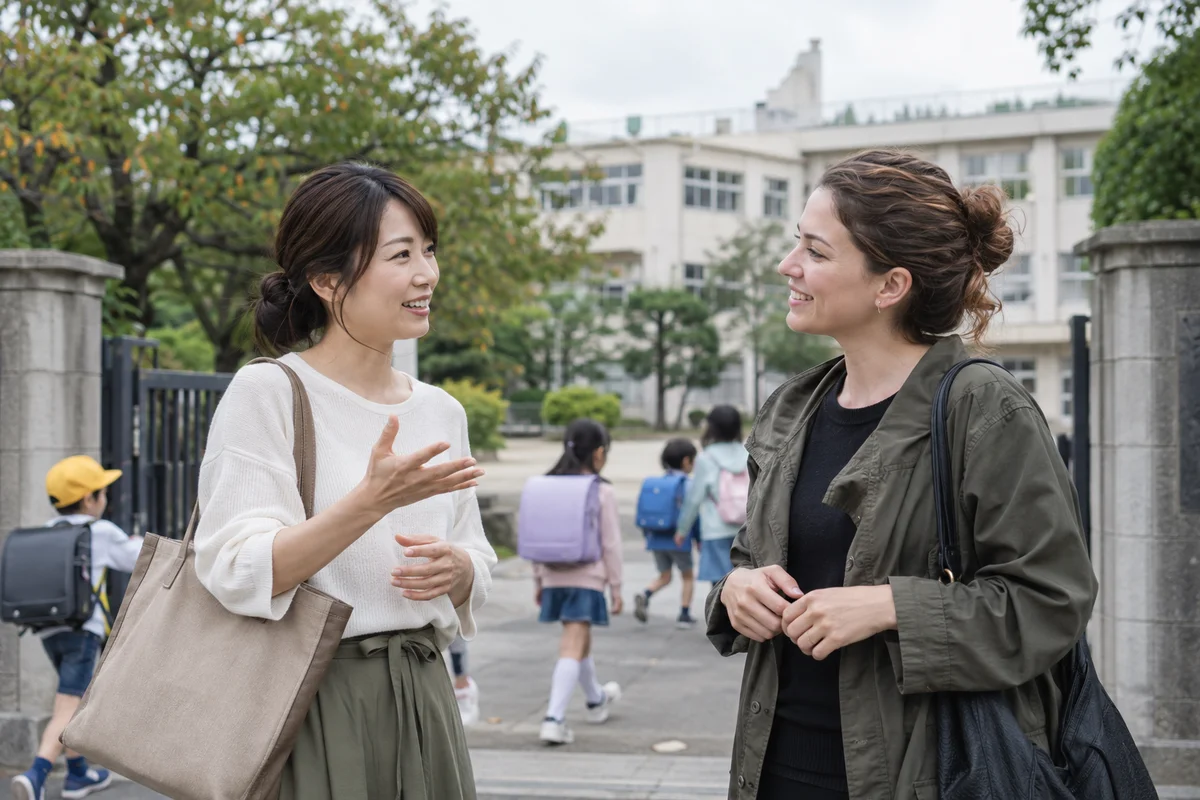
What tends to suffer instead is the parent's sense of belonging. You stand at the school gate and the other parents are chatting in quick, casual Japanese. You smile, nod, and go home. You begin to feel like a guest at your own child's school.
That feeling is worth taking seriously, because it grows over time. Isolation makes you less likely to ask questions, which makes you miss more, which makes you feel even more like an outsider. The fix is usually one friendly parent.
You do not need to become fluent overnight. You need a few people you can ask. Some ideas that have helped families I know:
Find one parent you can text. Just one. Someone who will tell you, "Yes, everyone brings a towel," or "Don't worry, that letter is not important." Most parents are happy to help once asked directly and politely.
Tell the teacher early. A short, simple note saying Japanese reading is hard for you at home goes a long way. Some teachers will add furigana, explain things at pickup, or point out the letters that really matter.
Check what your city offers. Many local international associations and community centers have Japanese classes, volunteer tutors, or support for foreign families. What exists varies by area, so ask at your ward office or search your city's website.
Learn alongside your child. Reading their textbook with them is real Japanese study. You will pick up the hiragana rhythm, the old vocabulary, and the everyday school words at the same pace they do.
Trade skills with Japanese friends. Plenty of local people want English practice. A regular language exchange can turn into the friend who explains a school letter over coffee.
The hardest thing about raising a kid in a language you are still learning is feeling like you are doing it alone. That is one reason we built SewaYou.
SewaYou is a map-based friendship app for meeting people nearby and anywhere in the world. You can find people around your neighborhood, including other foreign parents and Japanese locals who are happy to chat or do a language exchange. You can also explore another city or country from home and make online friends there, with no travel plans needed. And if you are planning a trip, you can connect with people before you go and meet once you are nearby.
Make Japanese Friends On a Live World Map
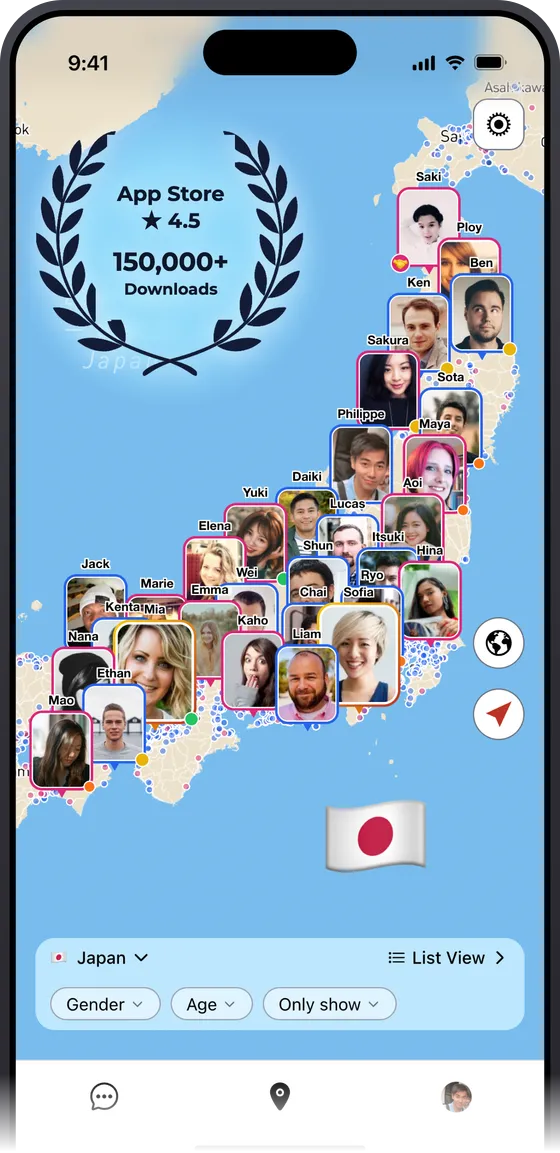
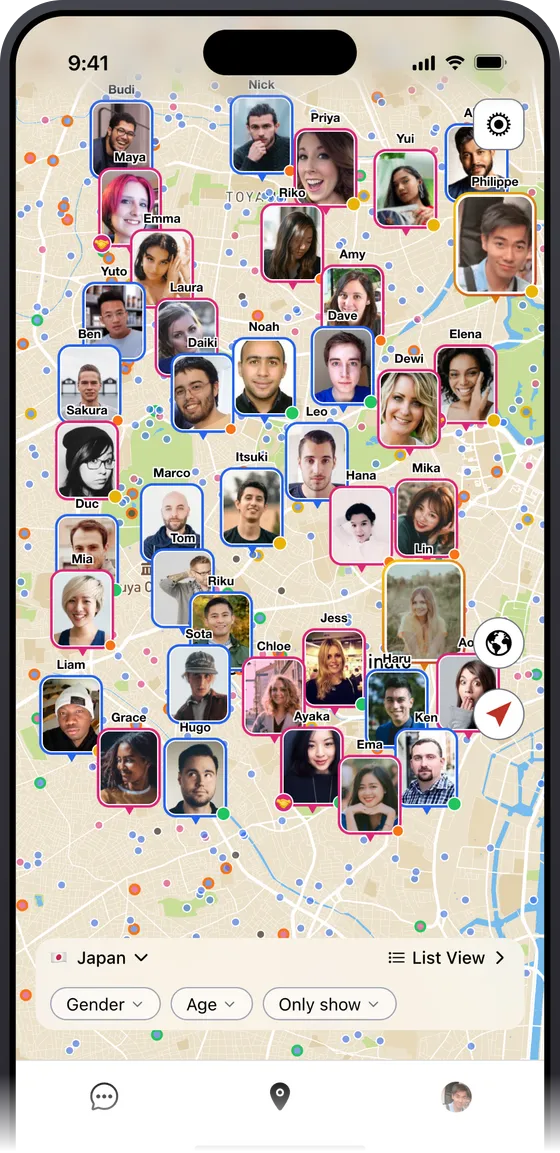
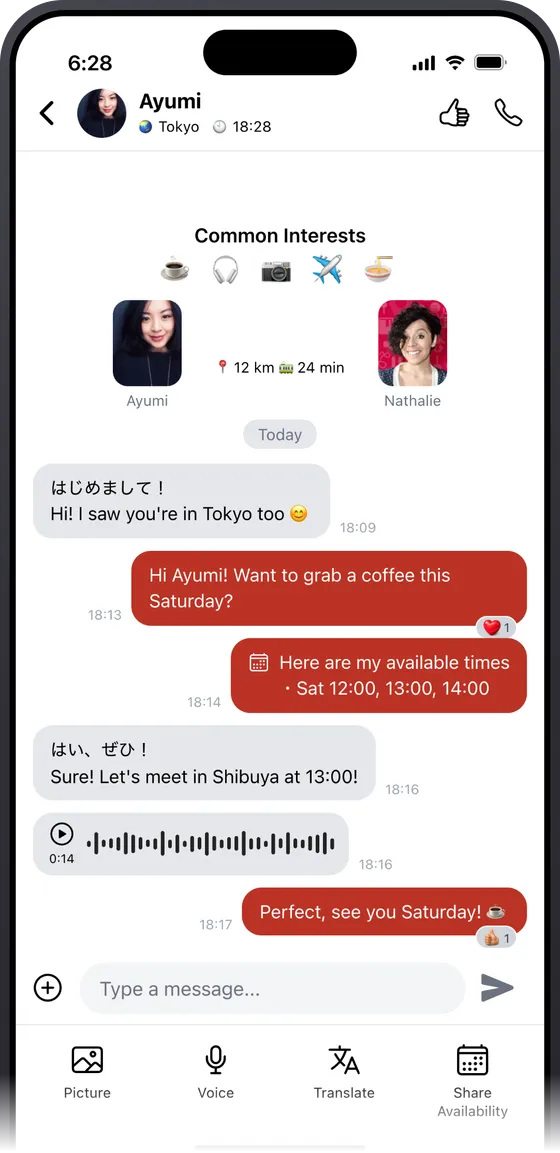


A parent friend down the street, a Japanese language partner who likes explaining things, or simply someone who also stood at that school gate feeling lost. Any of these can make the next school year feel much lighter.
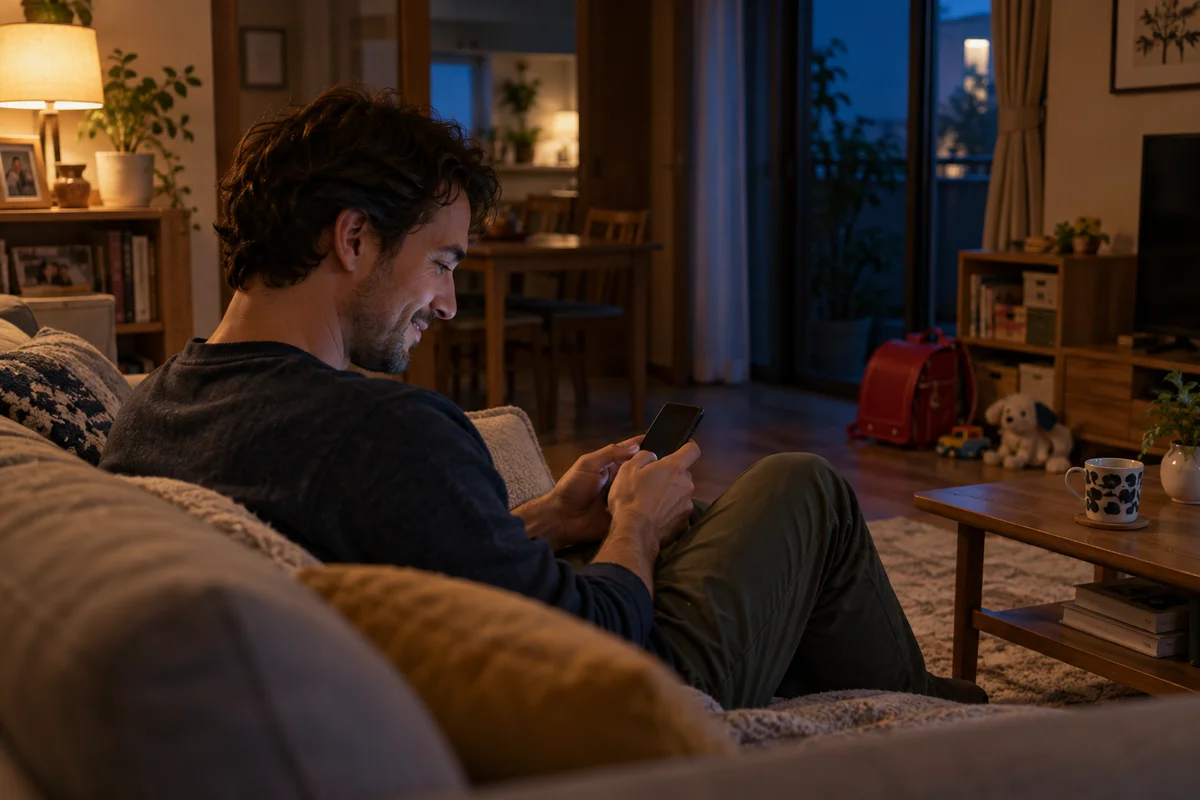
The school has teachers for that. Your job is to sit with your kid, listen to them read, show up, and ask questions when something is unclear. That works in any language.
Some nights you will stumble over a word your six-year-old reads with no trouble. Let them correct you. Being the learner sometimes is okay. It may be one of the best things they see you do.
If you would like a few more people around you who make this easier, try SewaYou and see who is nearby, or on the other side of the world.