
There's a strange kind of frustration that only shows up after you've lived in Japan for a long time.
You can chat with the neighbor. You can order, shop, ride the trains, make small talk at work. By most outside standards, you speak Japanese. And yet every time life gets a little more serious, a letter from your kid's school, a doctor explaining test results, a form at the ward office, you feel like a beginner again.
Then you double down. More reviews, more sentences, maybe a kanji certificate on the wall. You're working harder than you have in years. And it still doesn't feel like it's moving.
If that sounds familiar, I don't think you've hit your ceiling. I think your study has stayed general while your life got specific.
Early on, every hour of study pays off visibly. You learn a word on Monday and hear it on Tuesday. The first few thousand words cover a huge share of daily conversation, so progress feels fast.
Past that point, the math changes. Each new word shows up less often. You can learn a hundred of them and only meet a handful in the next month. The work is the same, sometimes harder, but the reward gets quieter.
That's why so many long-term residents describe the same feeling: effort went up, visible progress went down. It's not proof you're bad at Japanese. It's what the intermediate stretch looks like for almost everyone, and it's exactly where most people quietly give up.
The pressure also tends to spike at certain life moments. A new job, a marriage, a baby on the way. Suddenly "good enough to get by" isn't good enough anymore, because you want to be the adult who handles things, not the one who nods and hopes.

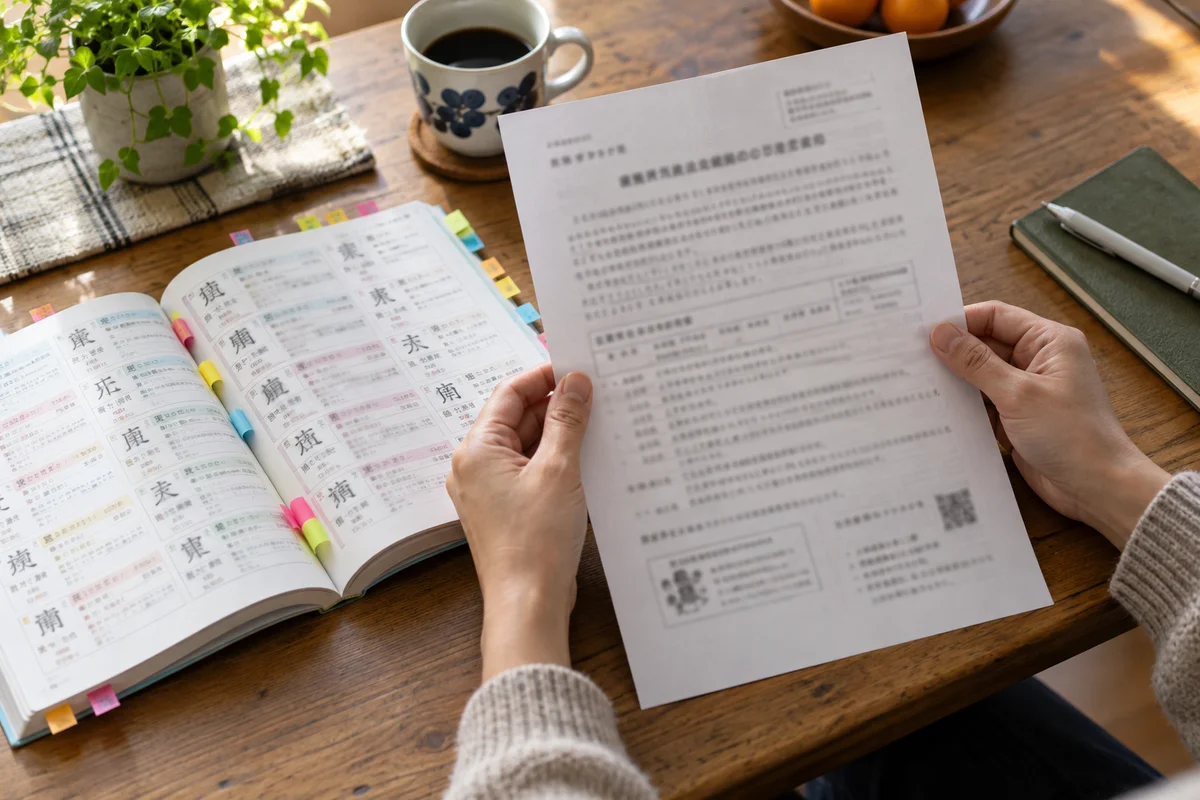
This one surprises people. You can recognize thousands of characters, pass a serious kanji exam, and still struggle with a two-page notice from school.
That's because reading isn't really a kanji problem. It's a vocabulary, grammar and style problem. Adult writing in Japanese leans on set phrases, formal sentence endings, long noun chains and polite circumlocution that rarely appear in conversation. Even writing for children can trip you up, because it uses everyday words and expressions in kana that you've only ever heard, never seen.
Kanji study gives you the bricks. Reading needs the buildings those bricks make. If most of your review is isolated characters or short sample sentences, you'll keep feeling the gap between "I know this kanji" and "I understand this paragraph."
The fix isn't to drop kanji. It's to spend more of your reading time on whole texts from your own life, even if you only get through one paragraph a day.
Here's a way of thinking about it that helped me. Everyday conversation is one room. You've spent years in it, and you're comfortable there.
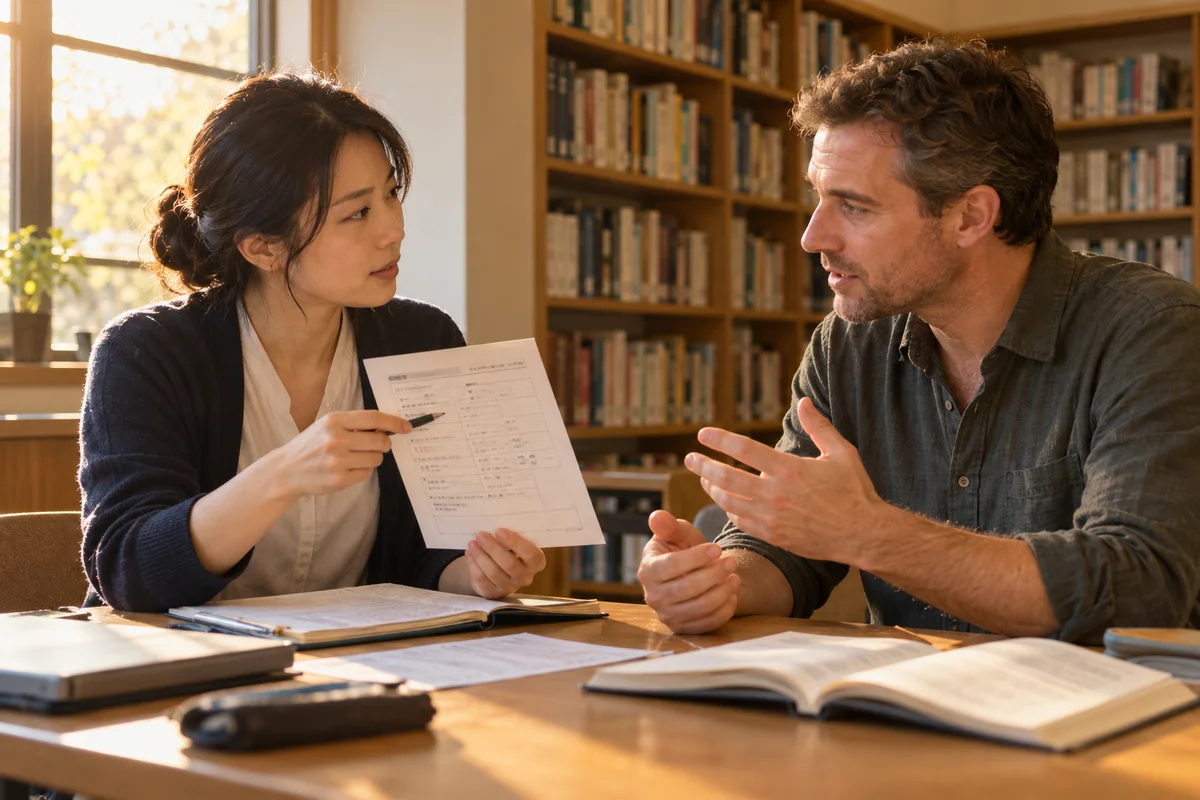
But the school, the clinic, the ward office, the bank and the landlord are all different rooms. Each one has its own vocabulary, its own scripts, its own way of saying "please submit this by Friday." Being fluent in the first room doesn't unlock the others. You have to walk into each one on purpose.
So instead of general study, study the room you're about to enter. In practice that might look like this:
This turns a vague goal ("get better at Japanese") into concrete wins you can actually notice. The first time you get through a pediatric appointment without asking for a single repeat, you'll feel the progress that hundreds of flashcards never showed you.

Sentence review is useful. It keeps grammar fresh and trains your ear. But it mostly trains you to recognize and repeat, not to build your own thoughts under pressure.
The jump past "basic conversational" usually happens when you're forced to do harder things with the language: explain a problem in detail, disagree politely, tell a long story, ask a follow-up when you don't understand. That only happens in longer conversations with people who won't switch to English the moment you hesitate.
A few ways to get there:
Discomfort is the signal it's working. If every conversation feels easy, you're probably staying in the room you already know.
When you're tired and frustrated, your brain compares you to an imaginary fluent version of yourself. Nobody wins that comparison.
A better yardstick is a list of real tasks. Could you read the school newsletter six months ago? Call to reschedule an appointment? Explain your kid's allergy to a teacher? Pick a handful of tasks that matter to your life and check them again in half a year.
You'll probably find that progress was there the whole time. It just didn't feel like progress, because you were busy looking at the gap.
Most of the rooms that matter in adult life involve other people. The best preparation is having people in your life you can practice with, ask questions, and talk to about more than the weather.
That's where SewaYou can help. It's a map-based friendship app for meeting people nearby and anywhere in the world. You can find Japanese speakers in your own neighborhood, explore another city or country from home, make online friends without any travel plans, or connect with people before a trip and meet once you're there.
Make Japanese Friends On a Live World Map
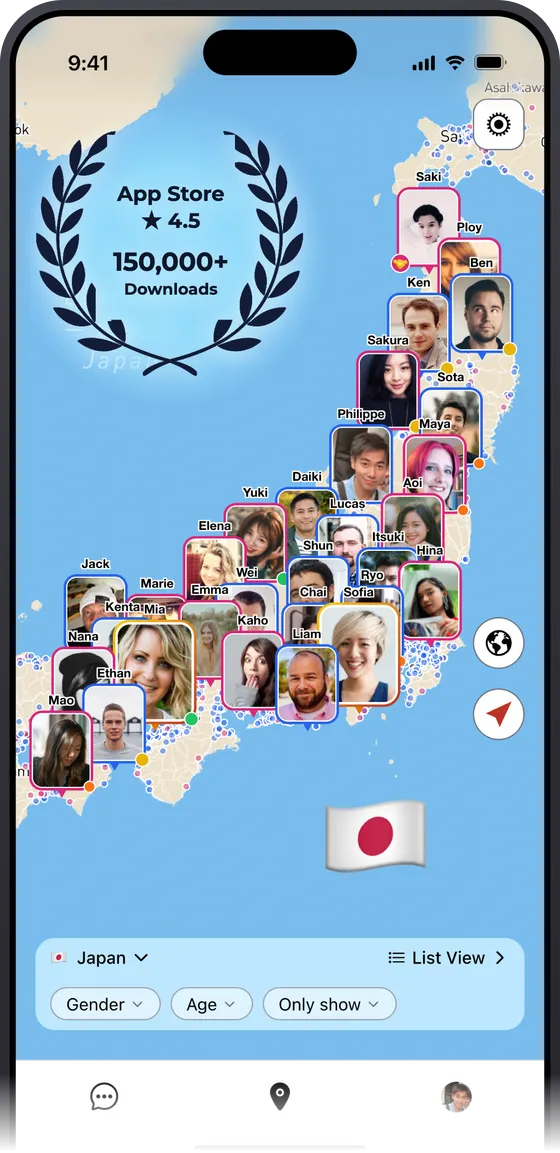
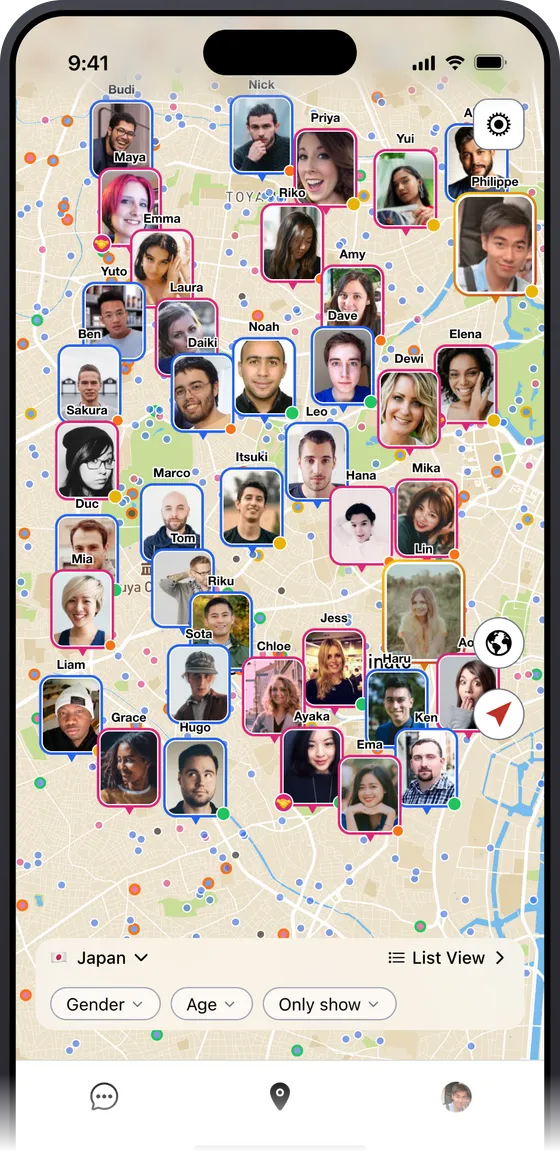
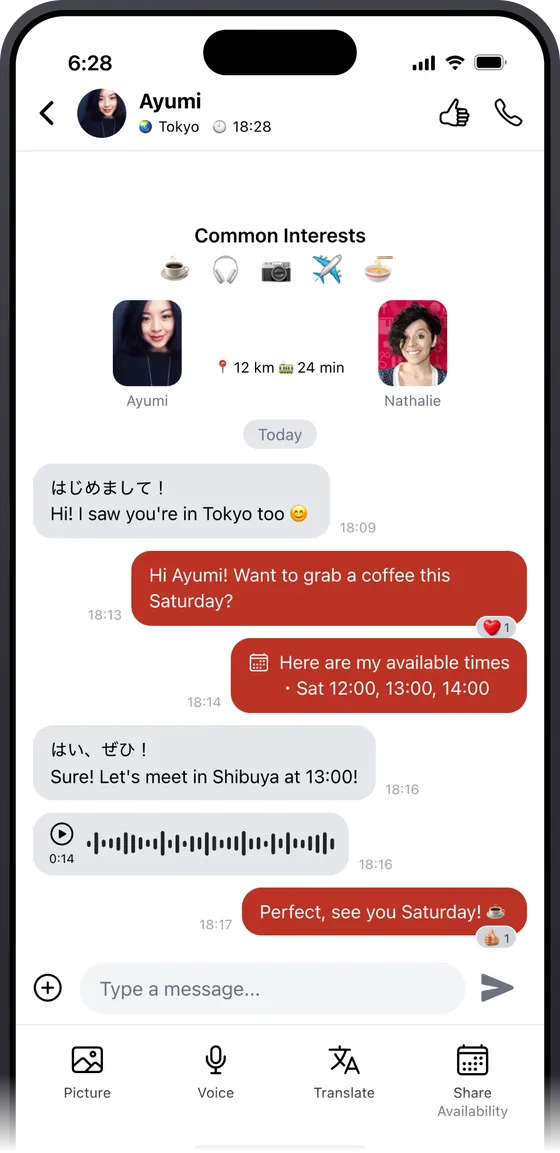


Look for someone who wants English practice while you work on your Japanese, another parent in your area, or simply someone who shares a hobby and doesn't mind slowing down. A weekly conversation with the same person can carry you further than another month of solo review.
You've already put in years. You don't need to start over. You need to point that effort at the life you're actually living.
Download SewaYou to meet people nearby or anywhere in the world, and turn your Japanese into something you use with real people.