

You met them in person and it was genuinely good. They laughed at your jokes, they walked you to the station, and one of them even asked to switch from Instagram to LINE so it would be easier to stay in touch. You left thinking you had made a real friend.
Then you message them on LINE, and nothing. A day. Three days. A week. Two weeks. Meanwhile their Instagram stories update every morning. They are clearly on their phone. They are clearly fine. They are just not replying to you.
In a lot of cultures, that reads as one thing. They have moved on. Before you believe that, let me tell you what this pattern almost always means in Japan, because it is not what it looks like.

Start with the part you already know is true. When you were sitting across from them, the friendliness was real. People do not fake two hours of genuine conversation just to be polite to a visitor.
So hold onto that. The friendship was real in the room. A quiet chat thread does not travel back in time and delete an afternoon that actually happened.
The mistake is letting the silence rewrite the memory. You start wondering if you misread the whole thing. You did not. You are just reading the wrong signal now.
Here is the piece that trips up almost everyone who spends time here. In a lot of countries, texting a friend is the friendship. The back and forth all day is how you stay close.
For many people in Japan, LINE is not that. It is closer to a mailbox. You check it, you deal with what needs dealing with, and you reply properly when you have the time and the words. A message from a friend is not an alarm that has to be answered inside the hour. It is a letter you will get to.
That is why the reply, when it finally lands, is so often warm and long and thoughtful. They were not ignoring you. They were waiting until they could do it right.

I know the bit that stings. They are silent to you but posting stories all day. It feels like proof that they have time for everyone except you.
Flip it around. Tapping through stories and posting a photo is a one second, zero effort thing. Replying to you is a task. It is even more of a task when the two of you are talking across a language gap, maybe leaning on a translator, and they want the message to actually make sense.
So the effort is backwards from how it looks. The stories are the easy part. You are the thing they are saving energy for. The silence is not neglect. It is a reply they have not sat down to write yet.
Here is where I will be honest with you, because this is the part that actually matters.
A slow reply is not the threat to this friendship. A friendship that lives only inside a chat thread is. That is true in every country, not just Japan. If the only thing connecting you two is a text box, then yes, the silence eventually wins. Not because they dislike you, but because nothing is feeding it.
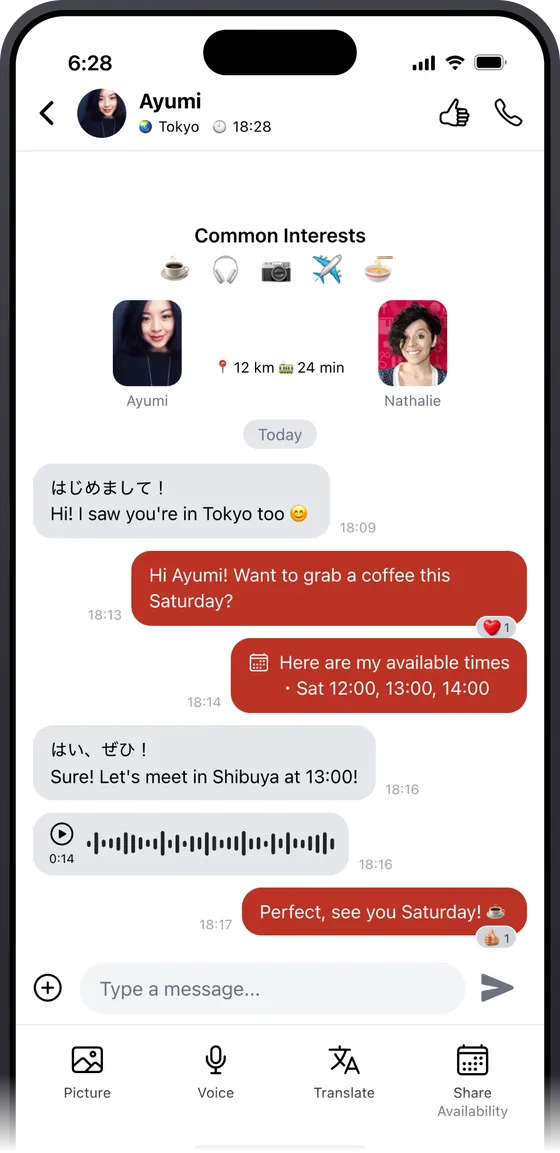
The thing that keeps a new friendship alive is the next time you are in the same room. One coffee. One walk. One "are you free Saturday." Reply speed is a terrible thermometer. A plan to meet again is the real one.

If you are heading back to Japan, do not measure the friendship by how fast they text. Send the message, say when you will be in town, and offer a real day. Let the plan carry the friendship, not the chat log.
And if what you actually want is friends who are close enough to see often, that is a different problem, and it has a cleaner fix.
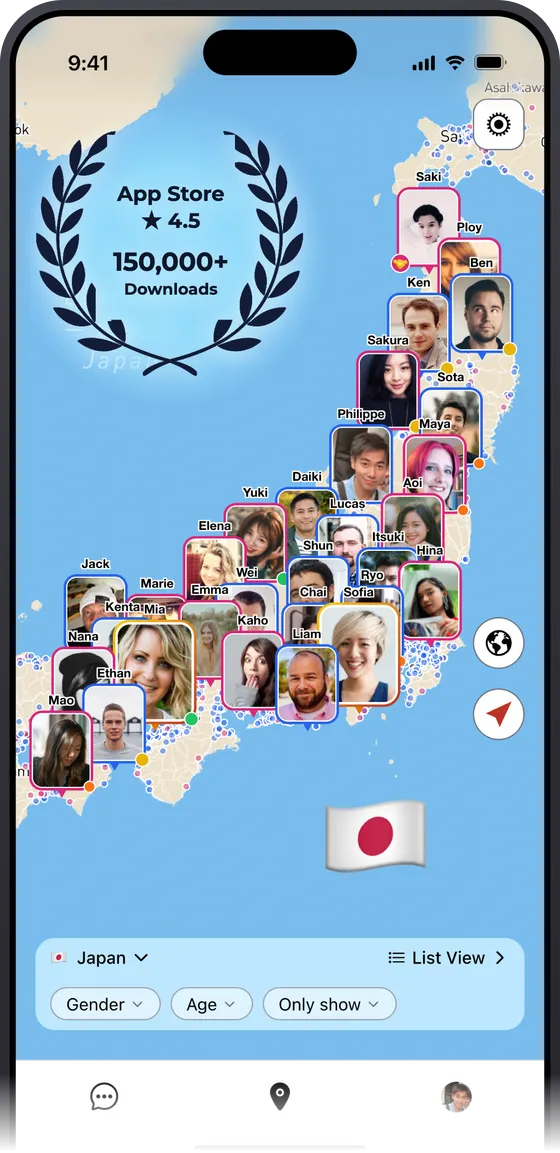
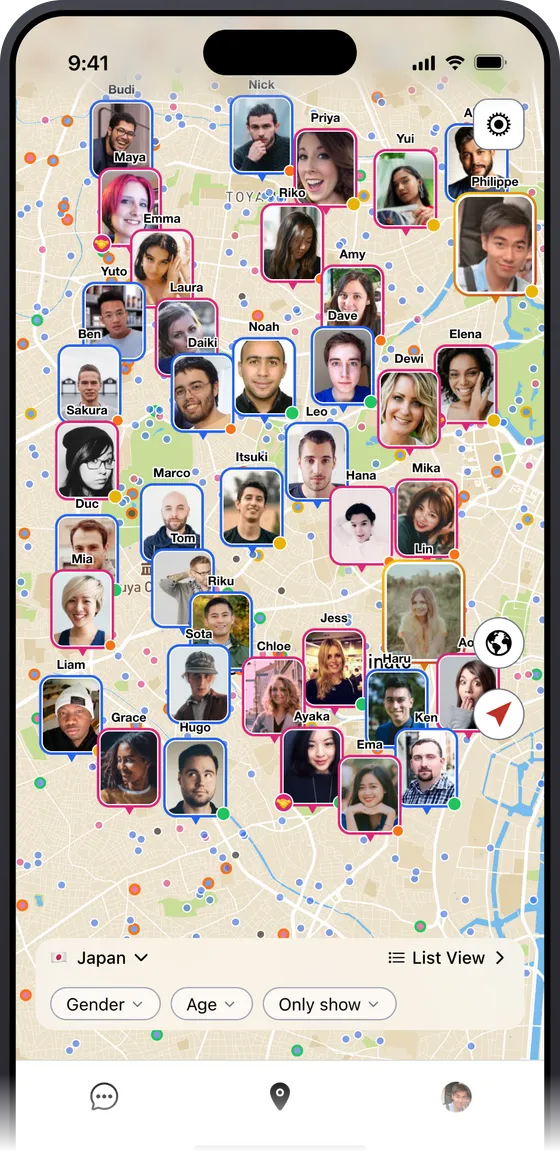
SewaYou is a map-based app that shows you real people near you who also want to make new friends. You set the map to your own area and find locals and fellow residents who are genuinely close by, not a username three prefectures away. You can also explore anywhere on the world map. When you focus on your own area, the people you meet are people you can see for a coffee this weekend, which is the only thing that ever really keeps a friendship warm.
Make Japanese Friends On a Live World Map



So the next time LINE goes quiet for two weeks, breathe. They probably still like you exactly as much as you thought. Send your message, make the plan to meet, and put your energy into the friendships that are close enough to sit across from. Those are the ones that never depend on how fast anyone types.


