

I watched it happen on a weekday train, and I still think about it. A guy stood up, gestured to an empty seat, and quietly offered it to an older woman. She answered "Iya, daijoubu desu" almost loud enough to turn heads, then moved away so fast she clipped someone's umbrella. Every passenger nearby stared at him like he'd done something wrong.
He spent the rest of the ride shrinking into his phone. And I'd bet he decided, right then, to never offer his seat again.
I get why. It felt like rejection. It looked like rejection. But here's the part nobody told him: it probably wasn't.
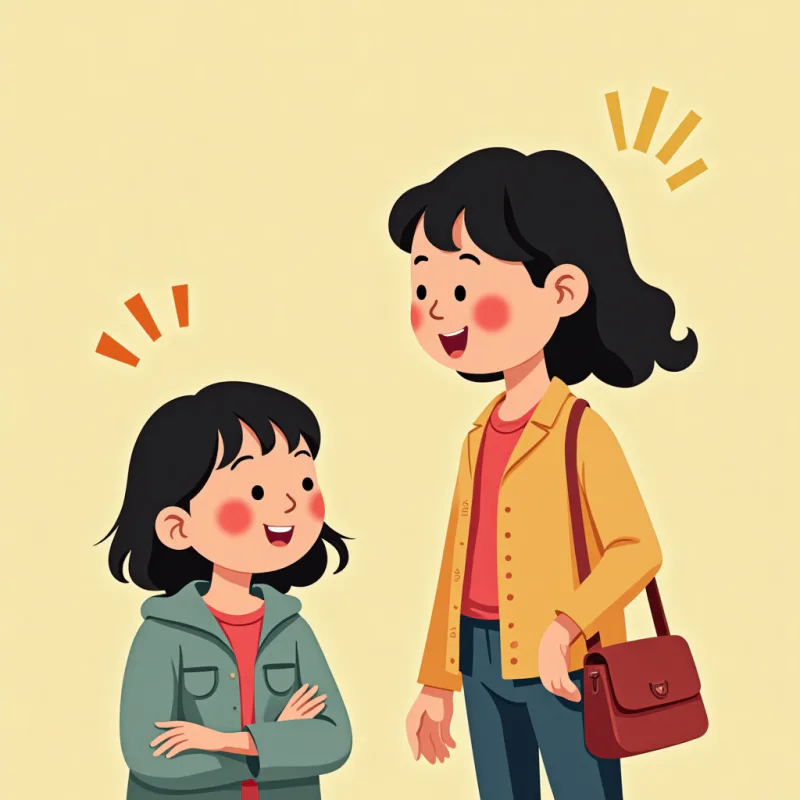
The first thing to know is that Japan has unspoken scripts for almost everything. When you offer something, a seat, help with a bag, a small gift, the first answer is very often "no" before it can ever become "yes."
This isn't coldness. It's a reflex. Refusing once is the polite default. The offer is made, the refusal is given, and only after that little dance does a real answer sometimes appear. People raised here learn it before they can read.
What stuck with him, I think, was the volume. "Daijoubu desu" said firmly, from an older person, can sound like a scolding. But firmness in Japanese is not the same as anger.
A sharp "no thank you" is often just someone overcompensating for the awkwardness of being singled out in public. Being suddenly chosen, in front of a full carriage, can feel alarming instead of kind, especially if you're the type who'd rather disappear. It's the spotlight, not the person.
Here's the part that actually matters. That guy didn't just feel embarrassed. He updated his whole picture of Japan.
He decided that reaching out to strangers here is dangerous. That kindness gets punished. That it's safer to keep to yourself. And that belief is what quietly stalls every part of your life here. The friends you don't approach. The conversation you don't start. The language that never gets practiced out loud because you're waiting for someone else to go first.
The real loss is the retreat. One awkward minute becomes a reason to stop trying, and stopping is what actually hurts.

The good news is that the same script logic cuts the other way. When both people have already opted in, the dance disappears.
Nobody has to guess whether a "no" is a ritual or a real refusal, because the person already said yes just by showing up. That's why the easiest connections in Japan happen in spaces where everyone signed up for the same thing. A class, a club, a hobby group, or a language exchange where both sides walked in wanting the same thing.
Both people already opted in. The moment that's true, the guesswork melts.
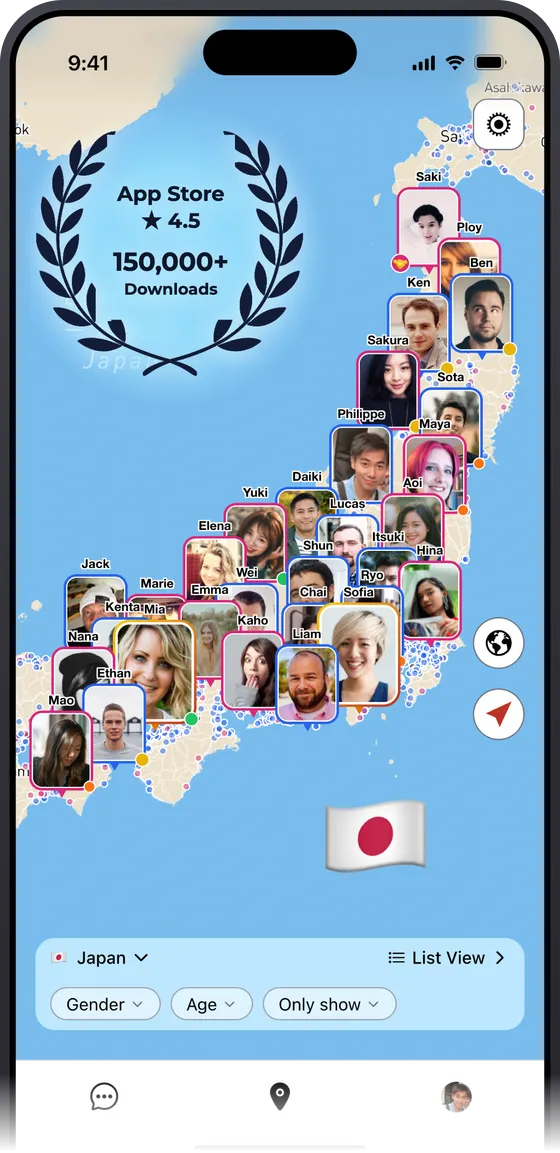
That's the whole idea behind SewaYou. It's a map-based app that shows you who's actually near you and open to meeting. Japanese locals who want international friends, other residents putting down roots, language partners a train stop away.
You're not cold-approaching a stranger and bracing for a script you can't read. You're messaging someone who already raised their hand.
Make Japanese Friends On a Live World Map
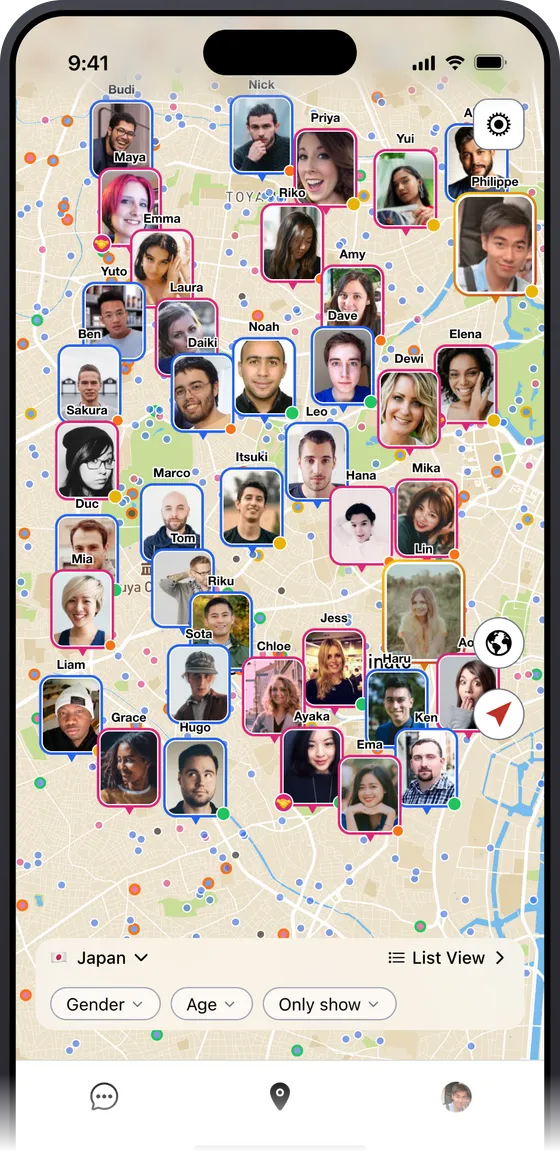
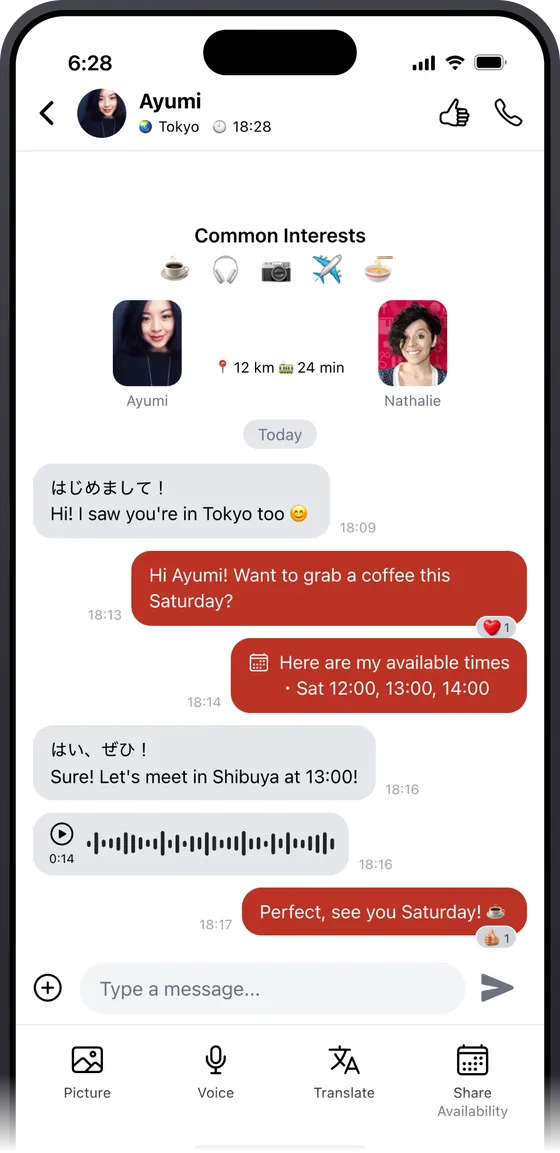


No seat to offer, no spotlight, no guessing. Just two people who both showed up for the same reason.
So no, don't let a single awkward train moment teach you to keep your hands in your pockets. The scripts take a little learning, but they're learnable. And the places where the script melts away are exactly where your real life in Japan begins.
You don't need to master every polite refusal. You just need a context where the refusal was never part of the deal.


