
You did the list. The degree with honors. The move to Japan. The years of 4 a.m. study sessions before work and flashcards on the train after it. N1. A near-perfect English score. A real job with a real work visa.
And somehow the result is still a pile of polite rejections and an offer that asks you to move cities for the same money and less security.
I've watched this happen to people who are, frankly, more qualified on paper than most of their coworkers. It's not a story about laziness or bad luck. It's a story about boxes, and what happens when you don't fit in either one.
A lot of Japanese hiring runs through two very different doors.
The first is the new-graduate door. Companies take in people straight out of university, often with little interest in what they studied, and train them over years. This is where "we hire for potential" really lives. Potential, in that context, usually means someone young, flexible and blank enough to be shaped by the company.
The second is the mid-career door. Here, nobody is buying potential. They are buying a specific person who has already done a specific job, ideally in the same industry, for a few years. The job listing that says "3+ years" means it.
If you arrived after graduating, spent your first years learning the language and grabbing whatever role got you a visa, you can end up between those doors. Too far out of school for the first. Not enough of the "right" experience for the second. Your résumé isn't weak. It's unfiled.

This part stings the most. Back home, a top degree and a high rank in your class might have told employers everything they needed to know. In a mid-career search, it can barely register.
The same goes for N1 and a high English score. They are proof you can do the work in that language. They are not proof you've done the work. To a recruiter scanning for "has handled a corporate planning cycle" or "has run a product launch," a language certificate answers a different question than the one they're asking.
That's also why being good at two languages can feel strangely unrewarded. Bilingual roles often want someone who is bilingual and already experienced in the function. Language becomes the minimum, not the edge. In my experience, language is the ticket, not the job.
None of that makes your effort pointless. It makes it necessary but not sufficient, which is a frustrating place to be after you've sacrificed so many early mornings.

Here's where you have more control than it feels like. A lot of people describe their first job in Japan as the thing they did to get the visa. Recruiters read it exactly the way you describe it.
Try a different exercise. Forget your job title and list what you actually did. Did you plan a campaign, own a budget line, handle a client who only spoke Japanese, fix a messy workflow, build a report your manager now uses every week? Those are the bricks of planning, product and business roles. They just haven't been named that way yet.
Then pick one direction and make the story point there. A résumé that says "I could do product, fintech, DX, global business or planning" reads like someone still deciding. A résumé that says "I've been doing the early parts of planning work, here's the proof" reads like someone already on the path. Narrow the story, widen the chances.
It can also help to look for a smaller move inside your current company first, or a role at a company that values exactly the mix you have, instead of only chasing the famous name. A step that looks sideways on paper can be the one that gives you the "3 years in X" line you need next.

Then comes the offer that should feel like a win and doesn't. Many companies in Japan look closely at what you earn now when deciding what to offer, so a low first salary can follow you into the next negotiation. Add a contract instead of permanent employment and a move to a pricier city, and the "dream" role can quietly cost you.
There's no universal right answer here. Sometimes the right move is to take the lateral pay because the title and experience will pay off in two years. Sometimes it's to say no and keep building where you are. What matters is that you decide with clear numbers and an honest view of your visa, savings and energy, not out of guilt that you have to say yes to anything that moves.
You're also allowed to ask questions before deciding. What happens at contract renewal? Is there a path to permanent status? What did the last person in this role move on to? Asking those isn't ungrateful. It's how adults compare offers.
Read the list again: degree, move, language, visa, job, more study, more applications, more networking. That's years of running at full speed with almost nothing that wasn't productive.
When every relationship becomes a possible referral and every weekend becomes study time, something important disappears. You stop having people who know you as a person instead of a candidate. And when the rejections come, there's nobody to tell you that you're doing fine, that the market is strange, that you're allowed to be tired.
That isolation makes the job search harder, not easier. You lose perspective, you take every "no" personally, and you start to wonder if the whole move was a mistake. Not every connection should be networking.

The most useful people in a stuck season are rarely the most senior ones. They are the ones a year or two ahead of you who went through the same hallway between doors and found a way out. They can tell you which companies actually value bilingual career-changers, how they explained their first job, and what they'd do differently. And they can simply say, "Yeah, it was like that for me too."
Equally useful: friends who have nothing to do with your career at all. People to eat with, walk with, practice Japanese with, or complain to in your own language. They're the ones who keep you human long enough to make good decisions.
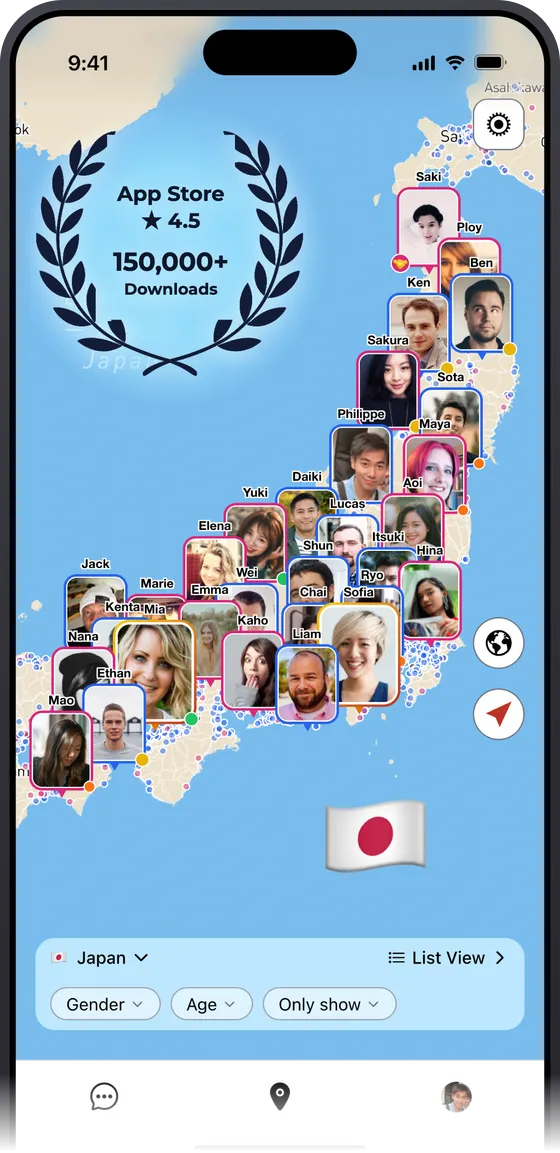
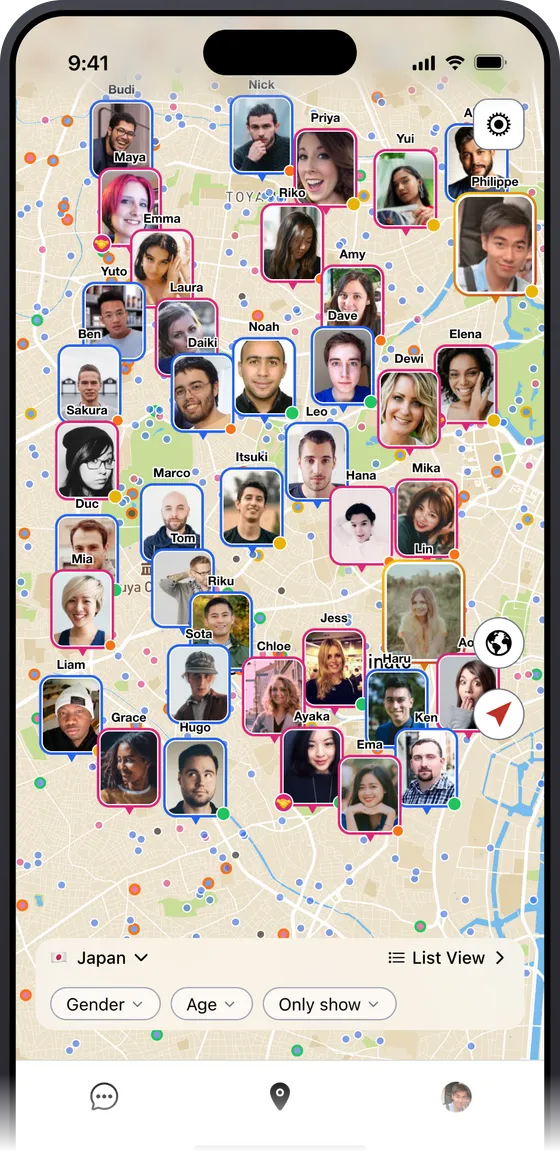
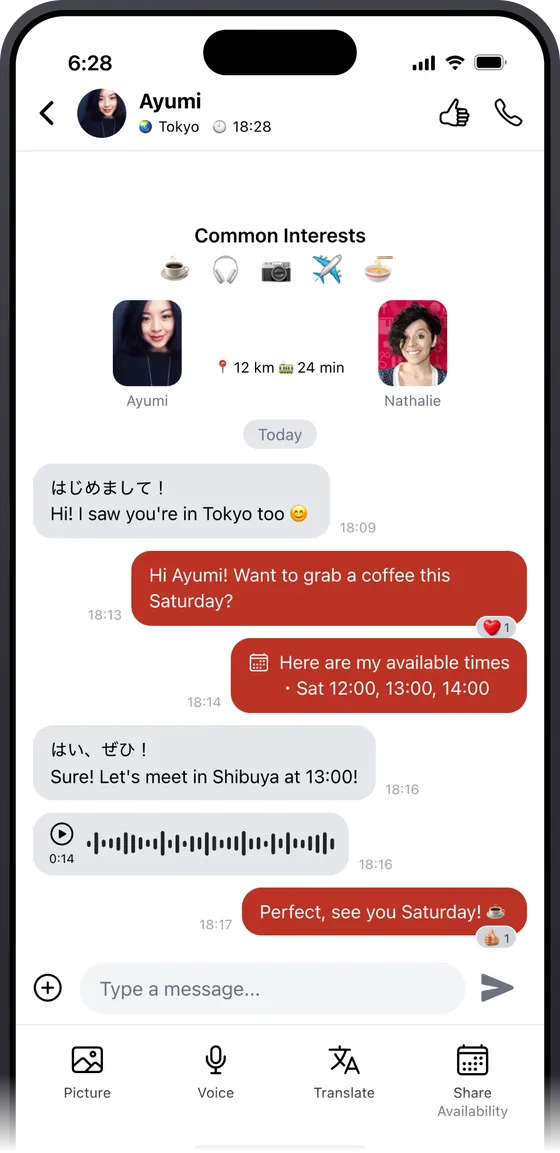
That's where SewaYou can help. It's a map-based friendship app for meeting people nearby and anywhere in the world. You can find other foreign professionals in your city who have been through the same job hunt, meet Japanese locals who want an international friend, explore another city or country from home before a possible move, make online friends without any travel plans, or connect with people in Tokyo before you relocate and meet once you're there.
Make Japanese Friends On a Live World Map


You don't need another hundred applications this week. You might need one honest coffee with someone who gets it, and a few friends who'd like you just as much without the N1.
Download SewaYou to meet people nearby or anywhere in the world, and stop carrying the whole climb by yourself.