
When you first move to a neighborhood in Japan, you tend to notice the beautiful parts. The hand-painted shop sign. The old wooden storefront. The quiet shrine tucked between two apartment buildings.
You photograph them. You take the long way home to pass them again. And months later, the neighborhood still feels like somewhere you are visiting.
Then one day you run out of printer paper, or your umbrella breaks, or you need a key cut. You walk into a small shop you have passed a hundred times, and something shifts. In my experience, that is often where the neighborhood starts to become yours.
Scenic spots are wonderful, but they ask nothing of you. You look, you leave, and nothing on either side changes.
A place starts to feel like yours when you have a reason to go back. Not because it is charming, but because it is useful. Need creates repetition, and repetition creates familiarity.
Think about the places you actually return to without planning. The supermarket with the good tofu. The bakery near the station. The dry cleaner who already knows which shirts you bring in. None of them made it onto your camera roll, yet those are the places your week is built around.
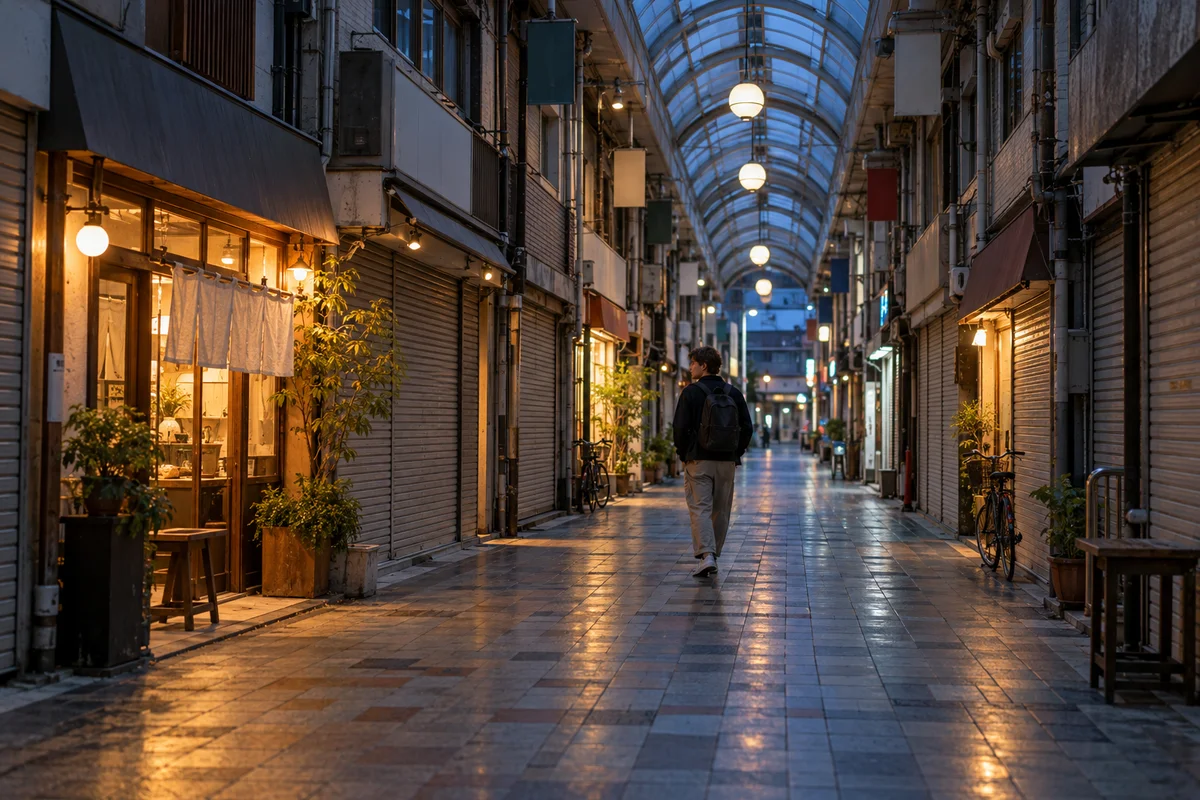
Chains are easy. You know the layout, you pay at a self-checkout, and nobody needs to look at you twice. That is exactly the problem if you are trying to feel at home.
A small independent shop works differently. There is usually one counter, often the same person behind it, and a short conversation is part of buying anything. "Which size?" "Do you need a bag?" "Is this for school?"
If you are studying, working from home, or just new, try moving one regular errand from the chain to the small shop. Your paper, your pens, your coffee beans, your bike repairs. One errand, one shop, every week. It costs a few extra minutes and gives you something a chain rarely can: being recognized.
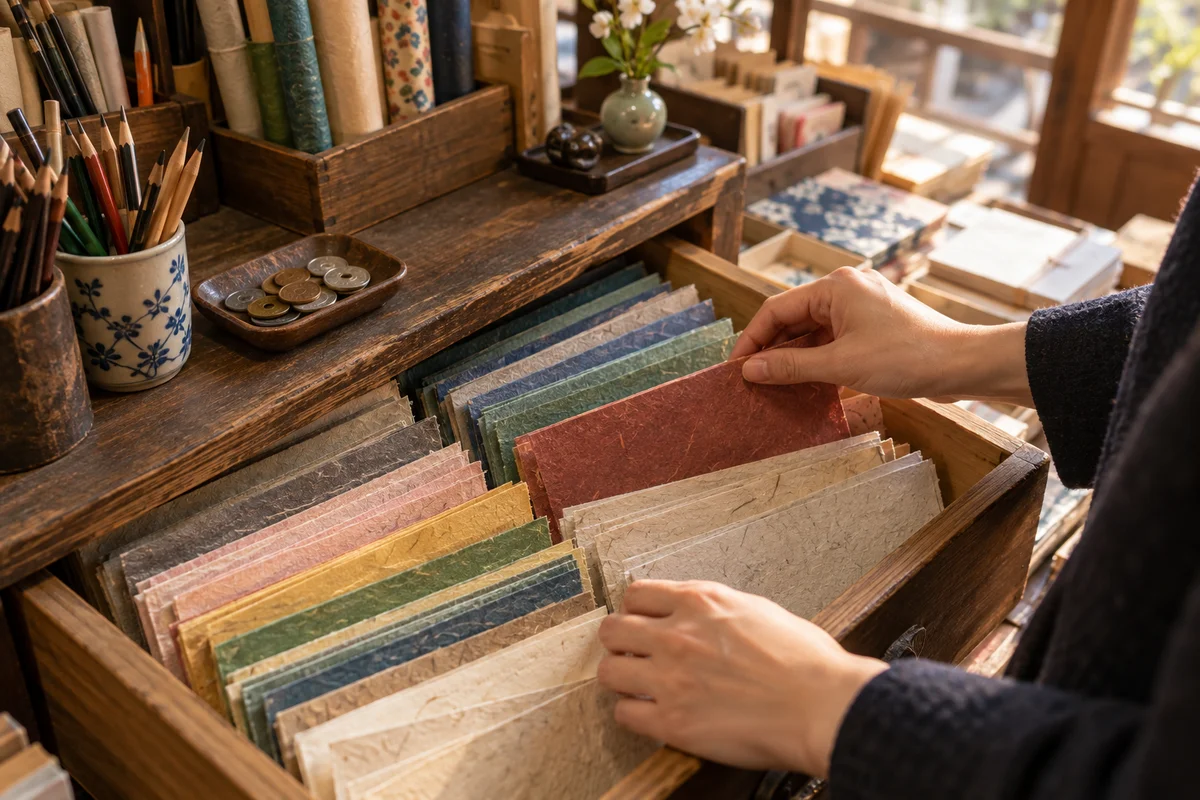
You don't need fluent Japanese or a clever opener. Regular customers in small shops become familiar mostly by showing up. The shopkeeper notices you came back, then notices you came back again.
Your part is small. Make eye contact. Say thank you. Answer a question with one extra detail. If they ask what the paper is for, "It's for my design class" opens more than "Yes."
Over a few months, those tiny exchanges add up. Maybe they set aside the notebook you like, or ask how your exams went. Being expected somewhere matters more than it sounds, especially on days when nobody else has said your name.
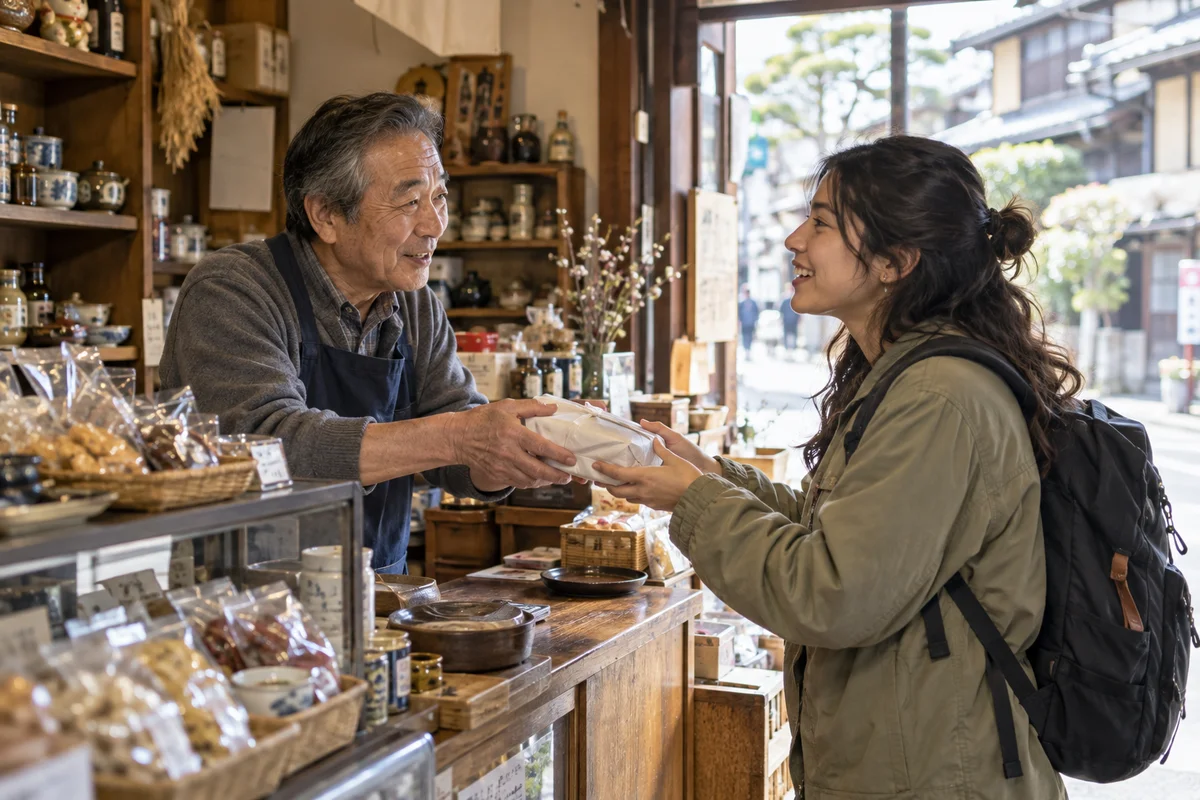
If your neighborhood still feels anonymous, try this. Write down the things you need every week or two. Groceries, laundry, school or work supplies, a coffee, a haircut every month or so.
Next to each one, pick a local place instead of the most convenient chain. Then try to go at roughly the same time of day. Same time means same staff, and often the same other regulars.
Your walk home starts to change. Instead of passing a row of signs, you pass the place where they know your order, the place that fixed your bike, and the place where someone asked about your weekend. Familiar stops turn streets into routes.
Here is the honest part. A neighborhood that feels like yours is not the same as a life full of people.
The stationery shop owner is a lovely part of your week, but you are probably not going to call them on a lonely Sunday. Recognition gives you a sense of place. Friendship needs someone you can actually make plans with.
So keep your errand route, and add one more kind of regular: a person, not a shop. Someone who shares your street, not just your city. A classmate who also walks this way, a neighbor who goes to the same café, someone learning your language while you learn theirs.
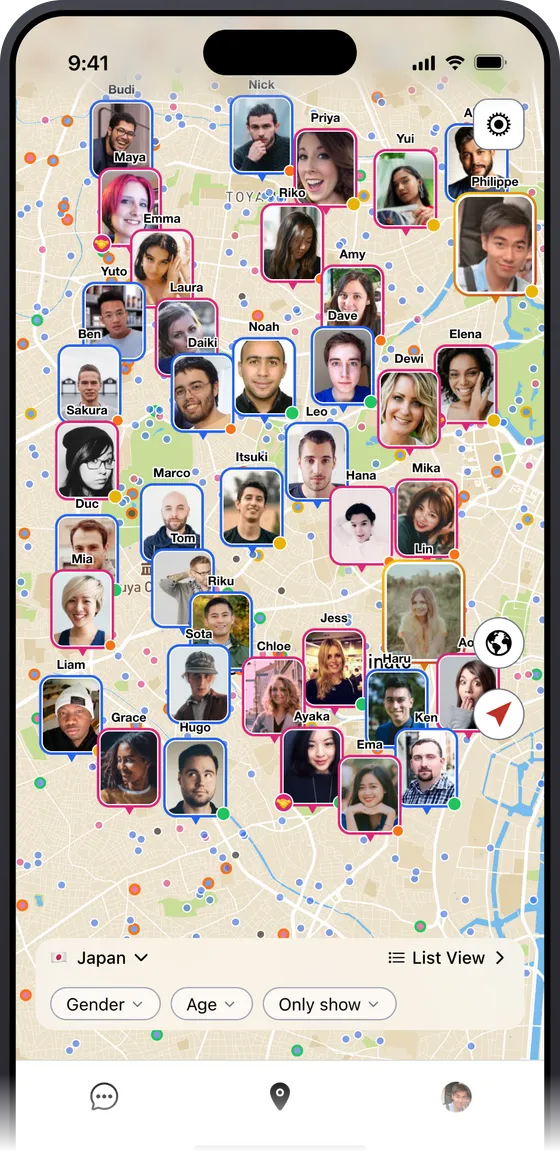
SewaYou is a map-based friendship app for finding people nearby and anywhere in the world. You can see who is around your own neighborhood and suggest a coffee at that small shop you love, or explore another city or country from home and build online friendships long before any trip.
Make Japanese Friends On a Live World Map
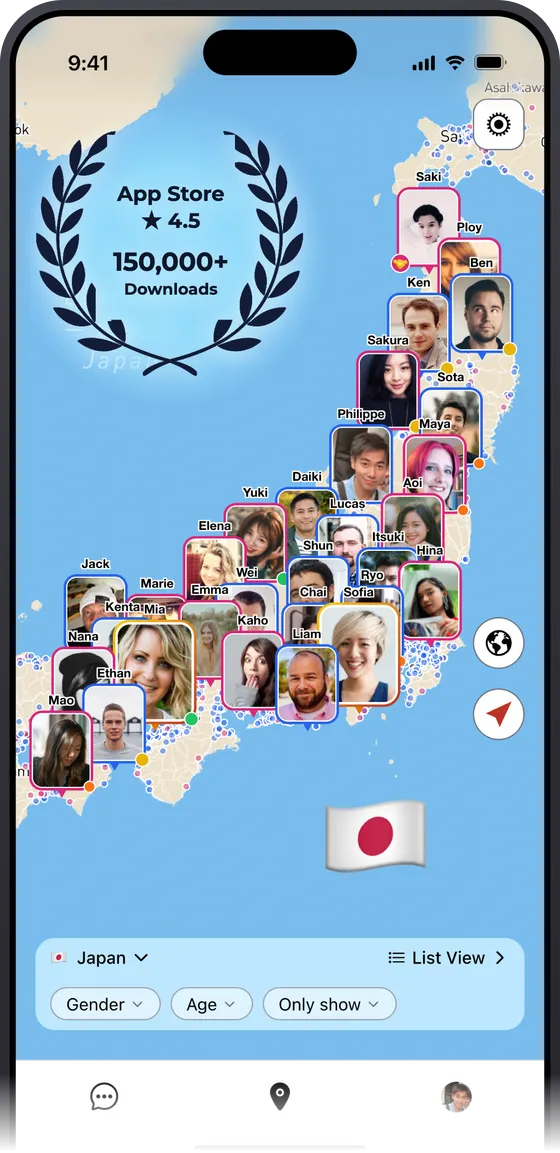
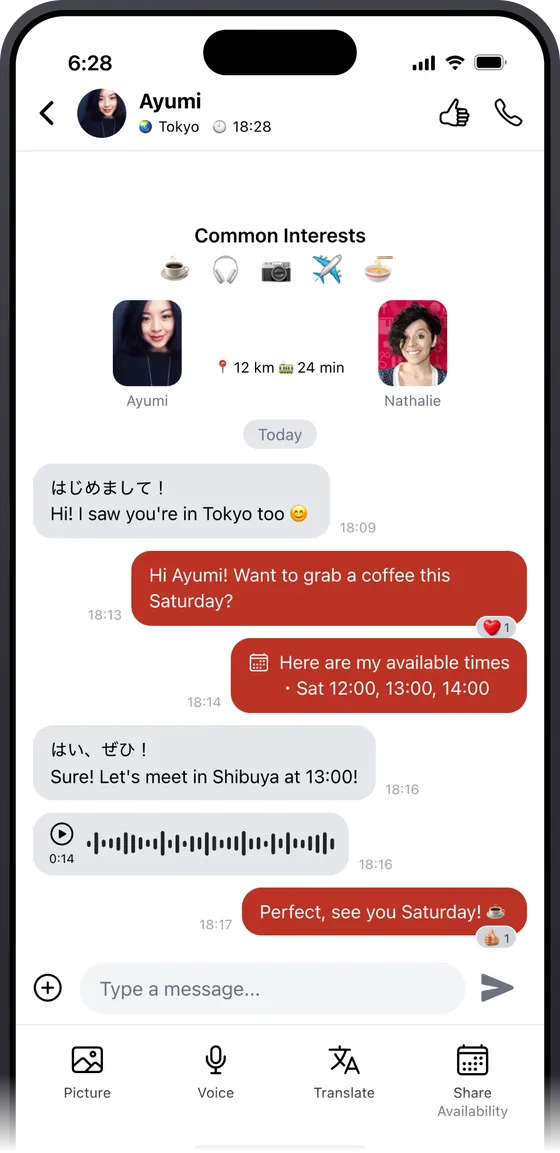


Your neighborhood becomes yours through useful places and repeated visits. It becomes home when some of those visits are with someone. Download SewaYou and find the person who could turn your favorite errand into a shared one.