
Imagine a conversation with a coworker drifting from everyday life into immigration. They say they worry about Japanese culture disappearing. You care about that culture too, but suddenly you're wondering whether they see you as part of its future or a threat to it.
What do you say without starting a fight, agreeing with something that hurts, or delivering a lecture over lunch?
My starting point: you don't need a perfect comeback. You need to understand what the person means, decide what you're willing to discuss, and leave room for your own dignity. Those are three different jobs, and none requires you to speak for every foreign resident in Japan.
"Culture" is a huge word. In this conversation, it might mean a local festival, the Japanese language, neighborhood expectations, or a feeling that familiar life is changing. Until you know which, you could spend twenty minutes answering a concern the other person doesn't have.
Try one concrete question first. For example:
When you say you're worried about culture disappearing, which part are you thinking of?
Then let them answer. If they mention a festival, ask what would help it continue. If they mention noise or shared spaces, ask which behavior concerns them and what expectations should apply to everyone.
You can care about a tradition without agreeing that foreign residents endanger it simply by being there. Asking for specifics creates room to discuss that distinction. It also gives you a way to notice when someone won't move beyond blaming a whole group.

There is nothing strange about wanting a place you love to retain something recognizable. You might feel protective of your hometown's language, celebrations, or gathering places yourself.
But empathy is not agreement. You can understand someone's attachment while questioning the leap from "this matters to me" to "people from elsewhere shouldn't belong here."
A possible reply:
I can understand wanting those traditions to continue. I care about them too. I don't think someone's birthplace tells us whether they'll respect or help sustain them.
Avoid promising that newcomers will never change anything. That's a promise you can't make, and it makes your case depend on everyone being perfectly reassuring forever. You can discuss a specific immigration policy separately, including its practical effects, without treating a person's background as evidence of bad intentions.
You also don't have to win through a comparison with your home country. Your experience can explain why you see things differently, but it doesn't have to serve as a blueprint for Japan.
If the concern is keeping a tradition alive, I would ask what people can actually do for it. Learn a skill? Help with preparations? Turn up regularly? Teach someone who wants to learn?
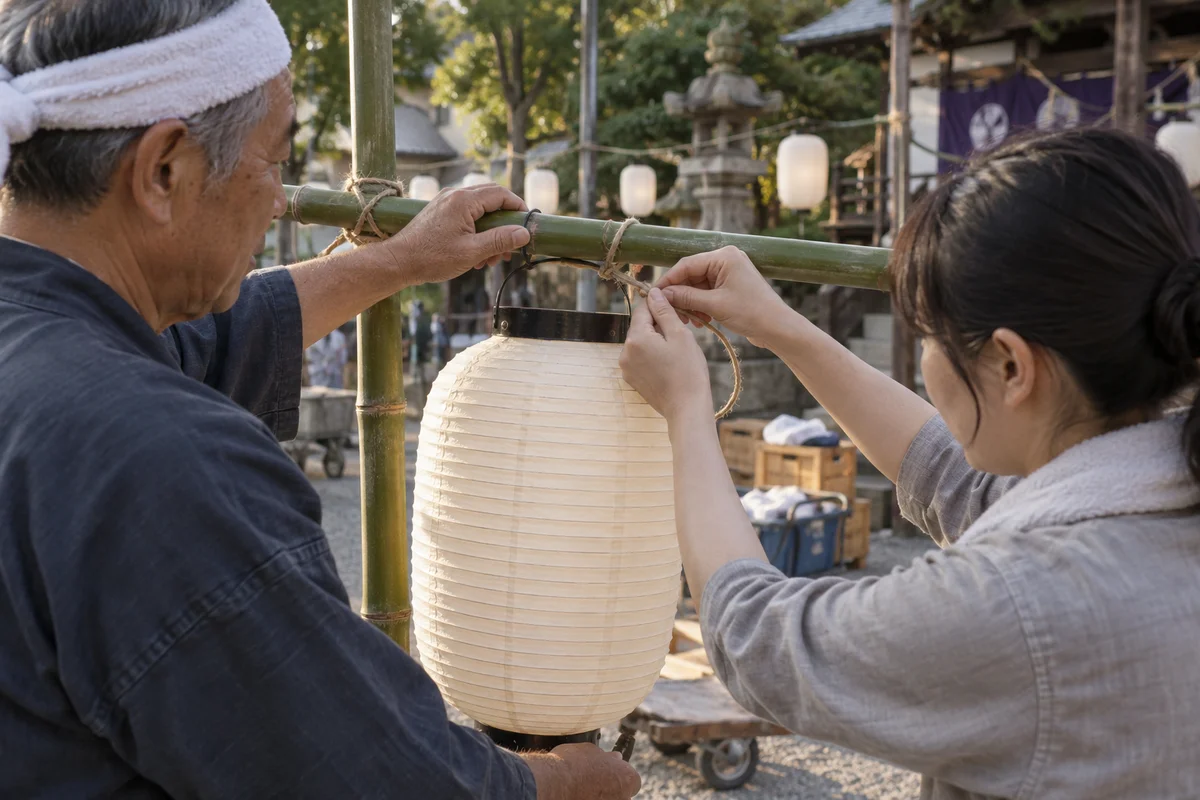
Consider a hypothetical neighborhood festival. One resident knows how to assemble the lanterns. Another is new and willing to help. An invitation to learn gives them something useful to do together. A debate about whether the newcomer can ever truly belong leaves the lanterns in their boxes.
The useful question is who gets invited to contribute. You might ask:
If someone moves here and wants to help keep that tradition going, would you welcome their participation?
The answer won't settle immigration policy. It can show whether this particular conversation has room for you as a neighbor with something to offer.
And participation should leave room for your own background. Learning local customs doesn't require you to stop cooking your family's food or speaking your first language at home. I don't think respect should demand that kind of erasure.
There is a point where explaining your perspective can turn into listing reasons you deserve an exception. You work hard. You follow the rules. You speak Japanese. You're one of the acceptable ones, right?
That is an exhausting place to land. Your dignity is not conditional on producing a flawless personal record or distancing yourself from other immigrants.
If the person keeps treating foreign residents as a problem by definition, you can stop. Here are two possible boundaries, depending on how direct you want to be:
I'm happy to talk about specific customs. I'm not comfortable being asked to defend foreign residents as a group.
I think we've reached the limit of what we can sort out over lunch. Let's leave it here.
At work, especially when there is a power difference, a short change of subject may suit you better than a direct challenge. You get to consider the relationship, your energy, and the consequences. Ending a conversation doesn't mean you've conceded its premise.
Afterward, give yourself a little space before composing the argument you wish you'd made. A walk or a message to someone you trust can be enough for now. You aren't responsible for resolving the whole discussion today.

After an exchange like that, it can help to spend time with someone who is curious about your ordinary life. What are you cooking this weekend? Which word keeps tripping you up? Want to try that cafe?
Look for curiosity that goes both ways. You can be interested in someone's traditions and expect them to be interested in yours. A friendship doesn't need matching views on everything, but mutual respect should have room to grow.
SewaYou is a map-based app for finding friends and language exchange partners nearby. Start with a shared interest and a small invitation, like a short coffee in a public place or a walk where you can both practice a language.
Make Japanese Friends On a Live World Map
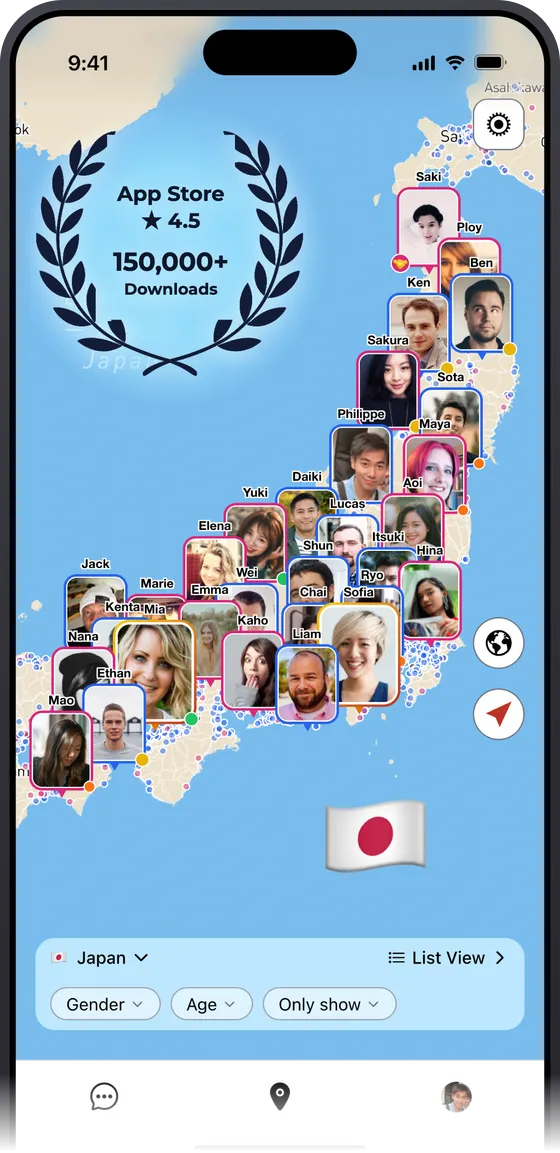
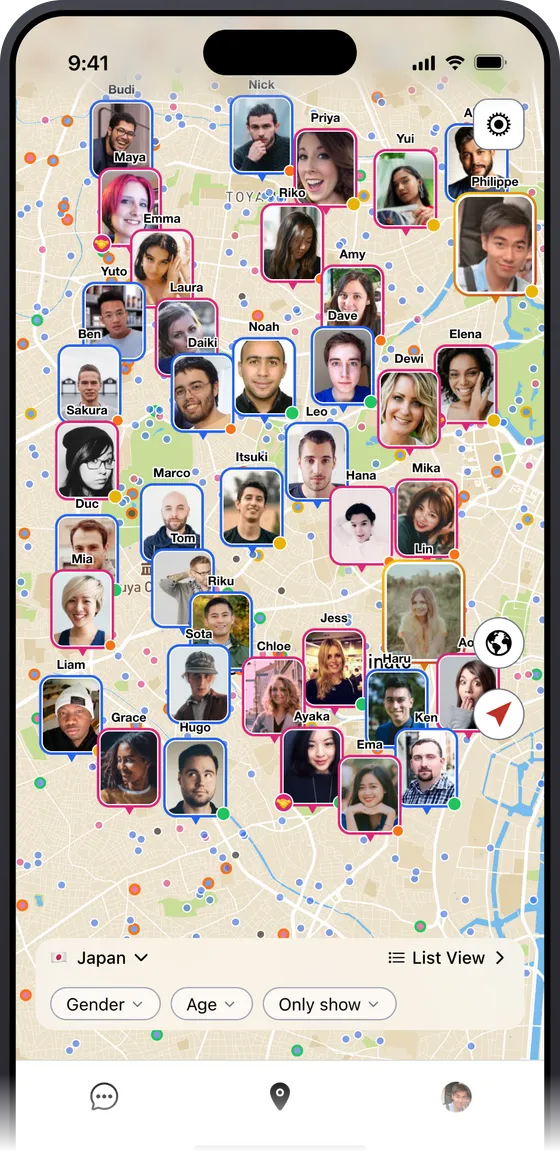
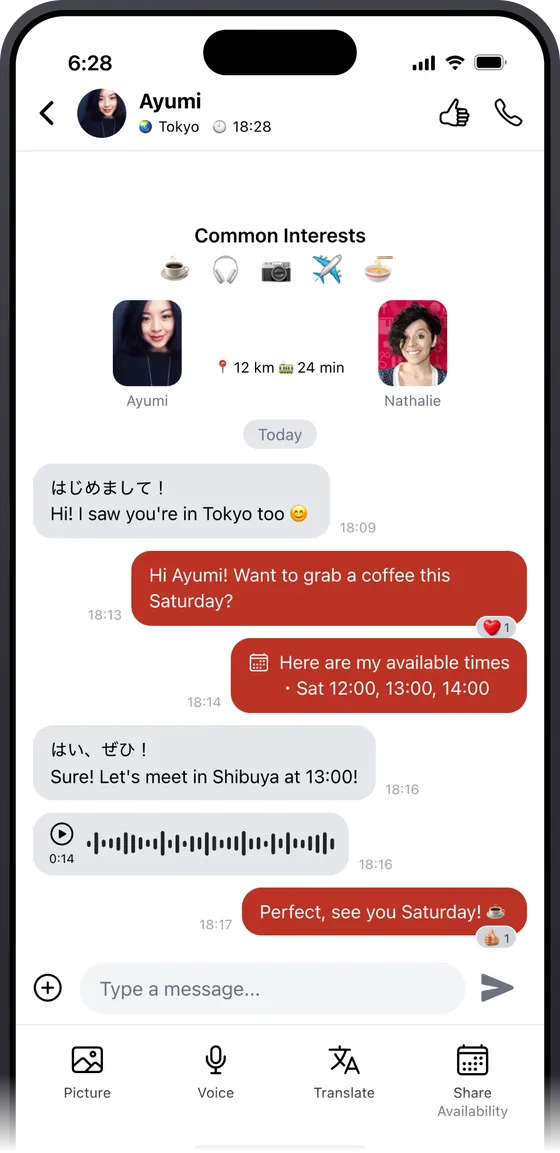


An app can't guarantee that every conversation will feel welcoming. It can give you another place to look for people who want to get to know you, and another chance to build a connection through time spent together.
You can care about Japan, disagree with someone, and still want company for an ordinary Saturday. Download SewaYou and start with someone you'd like to talk to again.