

Ask ten foreigners whether Japan is racist and you get ten different answers. One person tells you it is the warmest place they have ever lived. The next one tells you it is cold, closed, and exhausting. Same country. Same year. Opposite stories.
Both of them are telling the truth. That is the part people miss. Your experience of Japan is not handed to you at the airport. You build it, day by day, out of where you live, how much of the language you speak, and who you actually know.
Same Japan, opposite reviews.
So before you decide whether to move here, or whether to stay, it helps to understand what actually moves the needle.
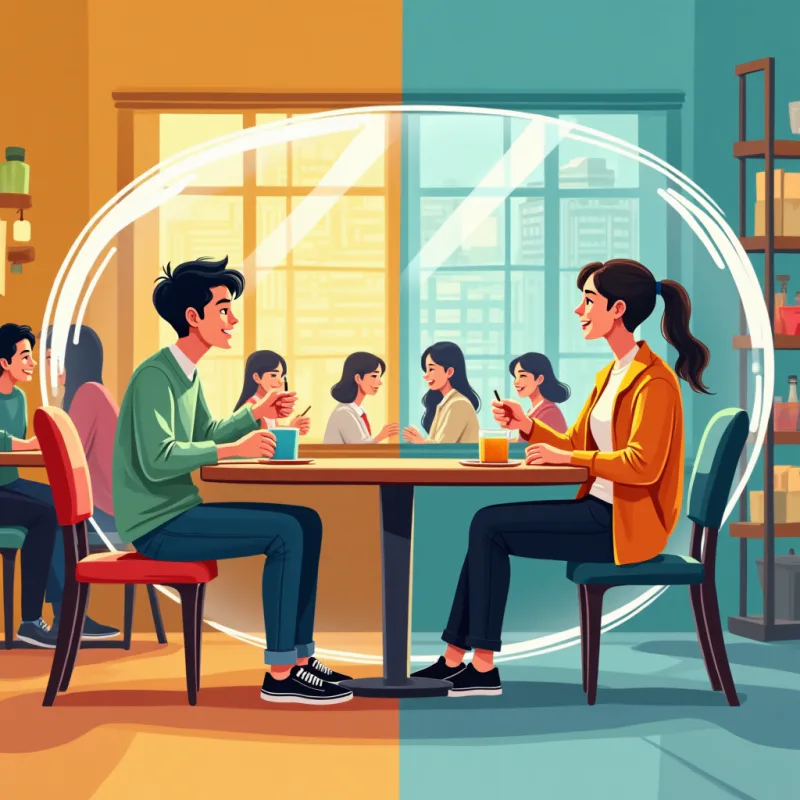
A lot of the loudest stories about Japan come from inside a bubble. Not a bad bubble. Just a small one. You work an English-speaking job, you spend your free time with other foreigners, you order the same three dishes because you can read the menu. Nothing is wrong with any of that.
But a life like that keeps you at arm's length from the country. Every interaction is with a stranger. Nobody knows your name. Of course it starts to feel cold and transactional.
The people who describe a warmer Japan usually have one thing in common. They stepped out of the bubble and into ordinary local life.
Out of the bubble, into real life.
Here is something that trips up a lot of newcomers. Getting treated as a foreigner is not the same as getting treated badly.
Yes, people notice you. Someone might ask where you are from, praise your chopsticks, or look surprised that you can order in Japanese. It gets old, no question. But most of the time it is curiosity, not an attack. It is much closer to interest than to hostility.
Compare that to the "where are you really from" question a lot of people grow up hearing back home, the kind that carries a sting. In Japan you often are the new person in the room. Being seen as a visitor is fair, because for a while you are one.
Curiosity, not contempt.
That does not erase real prejudice, which exists here like it does everywhere. But it helps to know the difference between someone being nosy and someone being cruel.
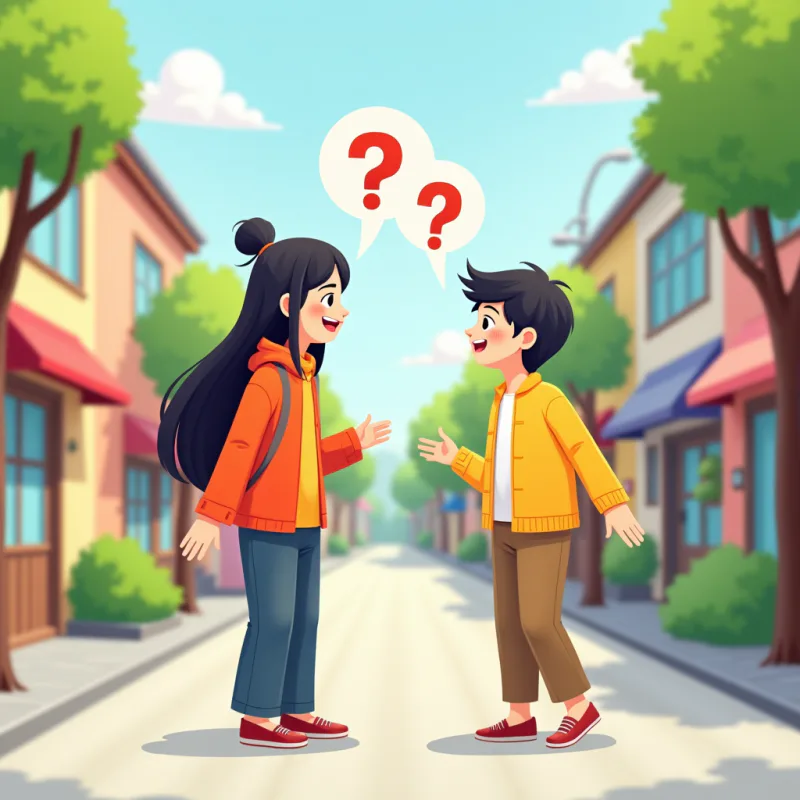
Now the big one. The single thing that changes almost every interaction is how much Japanese you speak.
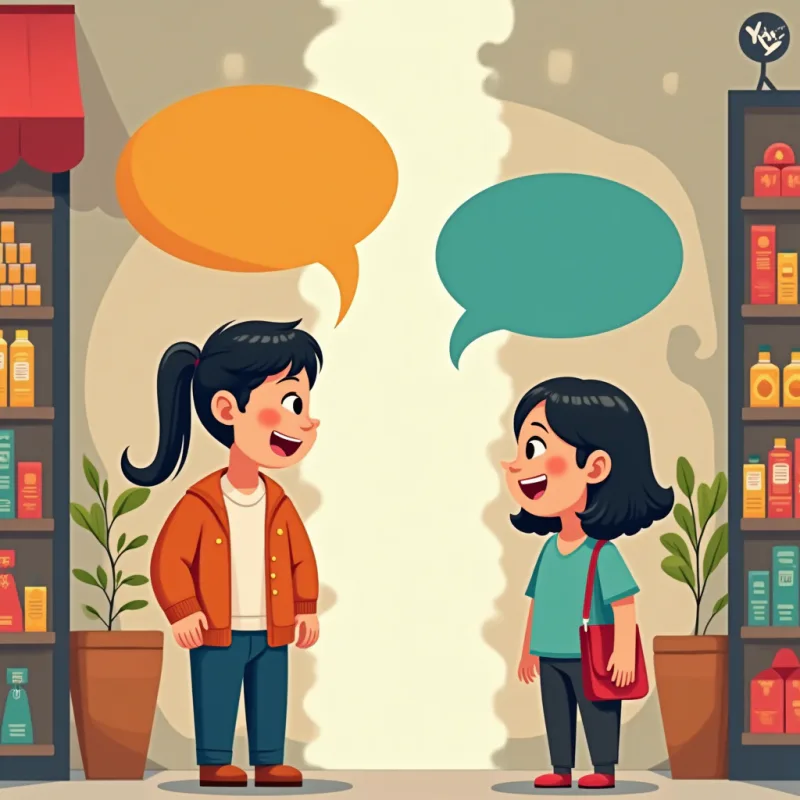
Behind a language wall, everything feels colder than it really is. You cannot catch the joke. You cannot smooth over the awkward moment. You cannot even tell curiosity from rudeness, because you cannot hear the tone. So you assume the worst.
Learn the language, even halfway, and the whole country softens. Shopkeepers relax. Neighbors chat. The wall that made everything feel hostile turns out to have been mostly a wall of silence.
Language, the great multiplier.
You do not need to be fluent. You need to be willing to try, out loud, in front of people who will smile at your mistakes.
Language gets you in the door. Friends are what actually change how the country feels.
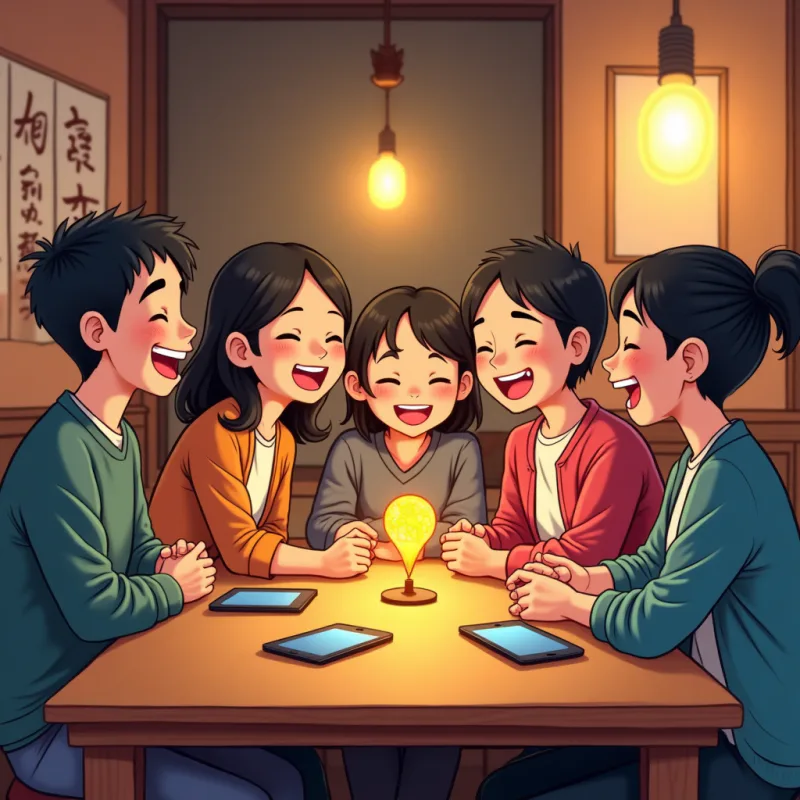
Not co-workers you nod to. Not a language partner who cancels every other week. A handful of genuine local friends who text you on a Tuesday, who invite you to the thing, who explain the stuff no guidebook covers. That is the difference between living in Japan and living next to it.
When you have real friends here, "treated as a foreigner" quietly turns into "treated as a person." The abstract question of whether the country likes you stops mattering, because specific people clearly do.
Real friends, not just contacts.
The trouble is that this is exactly the hard part. Japanese friend circles tend to form early and stay tight. Work rarely mixes people. So plenty of foreigners get the language and the visa sorted, and still go home to an empty apartment.
That gap is the whole reason SewaYou exists. It is a map-based app that shows you real people near you who actually want to meet, both locals and other newcomers. You are not shouting into a giant feed. You see who is close, who shares your interests, and who is open to grabbing a coffee this week.
Make Japanese Friends On a Live World Map
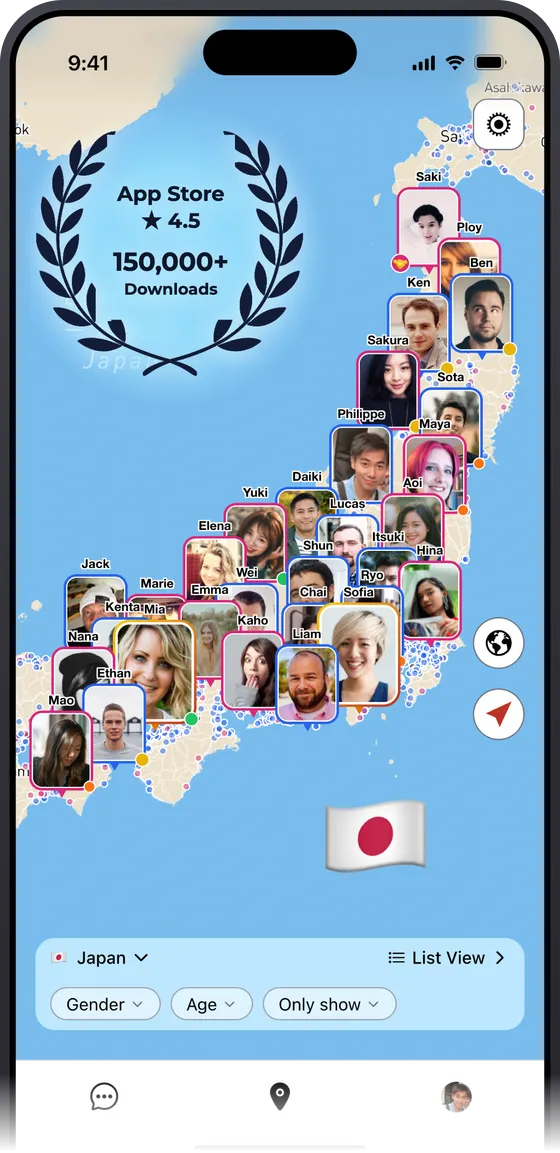
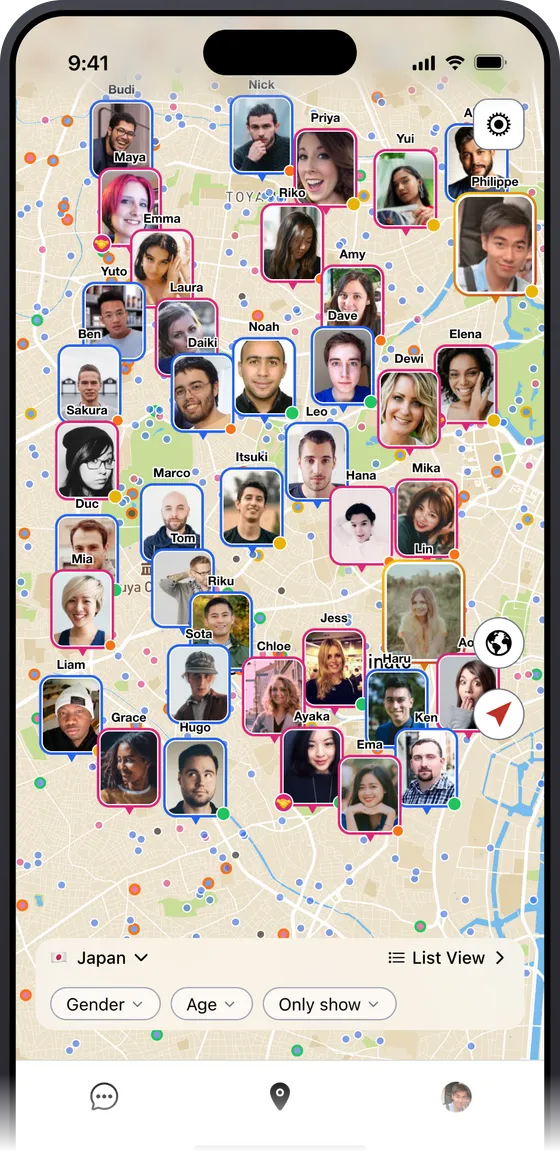
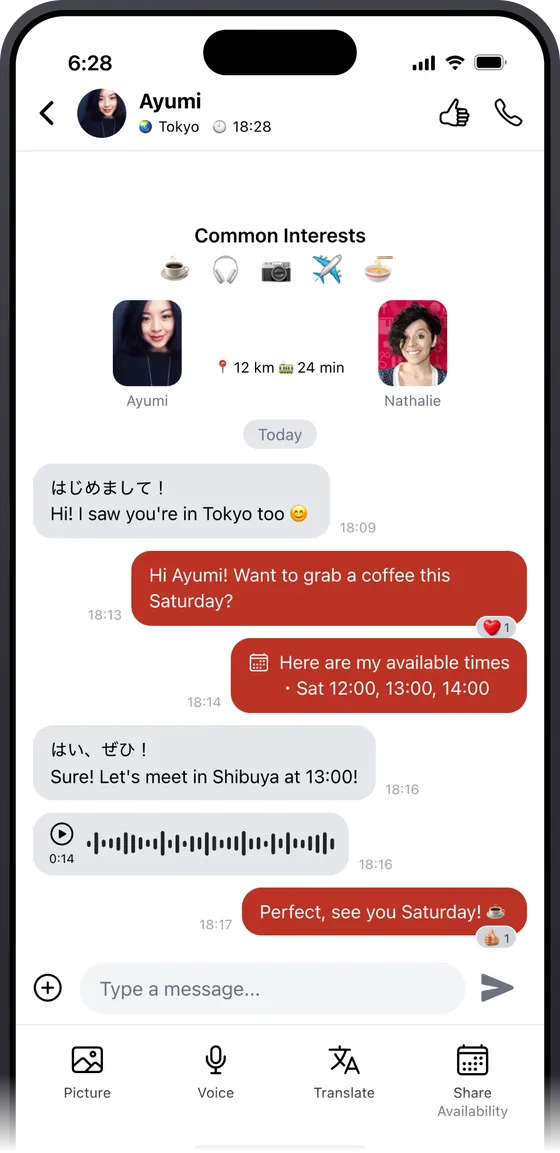


You still have to show up and be a decent human. The app just solves the part that is genuinely hard in Japan, which is finding the door in the first place.
So, is Japan racist? That is the wrong question. The better one is this: who do you know here, and how hard are you willing to reach out? Get the language moving, step out of the bubble, and build a few real friendships. Most people find a very different Japan waiting for them.
SewaYou is a map-based app for meeting people near you, in Japan and around the world. Open the map, see who is close, and turn a foreign country into a place full of friends.


