

You have something honest to say to a Japanese friend, and you have been sitting on it for days. Maybe it is a boundary. Maybe it is a question that feels too blunt. Maybe it is something practical that just feels awkward to bring up. And the loop in your head is always the same: is this rude in Japan?
I have watched a lot of foreigners freeze at exactly this point. They want to be respectful, so they say nothing, and the unspoken thing quietly rots the friendship from the inside. Here is what took me years to figure out. It is not the question, it is the delivery.

We treat "rude" like it is welded to certain topics. Money. Dating. Health. Saying no to a senpai. We assume some subjects are simply off-limits, and that asking about them at all marks you as the clueless foreigner who did not read the manual.
But think about your own language for a second. There is a gentle way and a brutal way to ask almost anything, even in English. The same question can feel caring or like an interrogation depending on tone, timing, and whether the other person feels respected.
So the thing you keep calling rude is usually just a delivery problem, not a topic problem. That is true in Tokyo and it is true back home.
A lot of advice online tells you Japanese people are "indirect" and stops there, as if that means you can never say a hard thing out loud. That is a misread, and it keeps people stuck.
Tatemae is not fakeness. It is a cushion. It exists so that nobody gets put on the spot, nobody loses face, and the group stays comfortable. The goal was never to avoid the truth. The goal is to protect the person while you get to it.

Once you see that the whole system is about not burdening people, the hard conversation stops feeling forbidden and starts feeling like a design problem. Your job is to raise the real thing without making your friend carry the weight of your bluntness.
So how do you actually ask the awkward question or set the uncomfortable boundary? A few moves that have never failed me.
Lead with yourself. Starting with "I am someone who worries about this" puts the weight on you, not on them. You are sharing a need, not running an inspection.
Make it mutual. Anything you ask of them, offer first. "I will do it too, and we can be open about it" turns a demand into a team move, and nobody feels singled out.
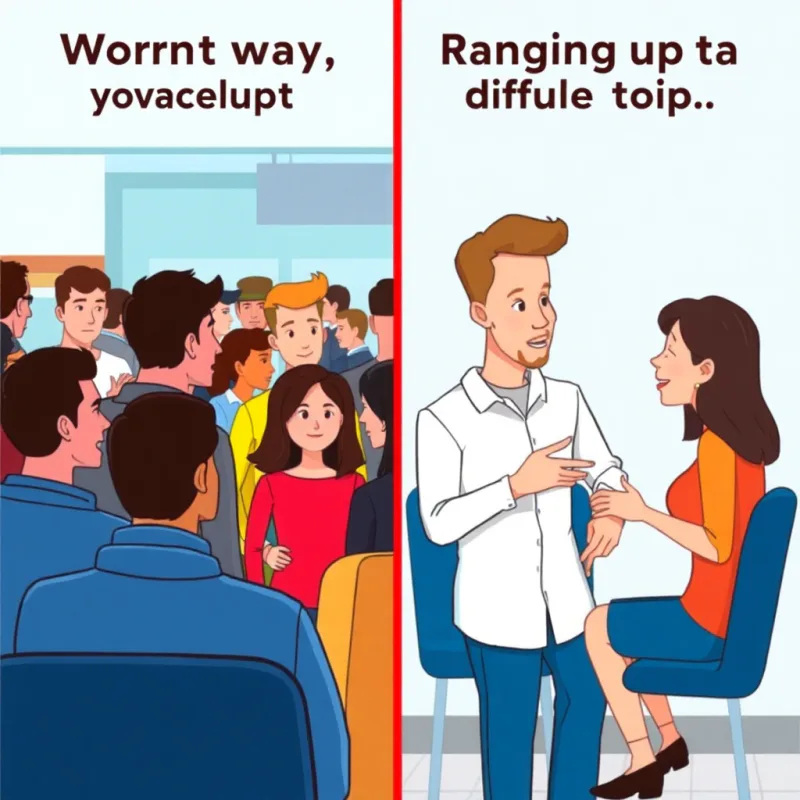
Give them an exit. Leave room for a soft no, something like "no pressure at all, I just wanted to be honest with you." When you frame it as caring about both of you, the exact sentence that felt rude in your head suddenly reads as considerate.
And pick your moment. A heavy thing dropped in public, rushed, or fired off over text at 3am will land badly anywhere on the planet. Quiet, calm, private. That part is universal.
Here is the uncomfortable part. The reason these conversations feel impossible is rarely culture. Most of us never practiced honest, slightly awkward conversations in our own language either, so doing it across a cultural gap feels like standing at a cliff edge.
The fix is having more low-stakes cross-cultural conversations until the high-stakes ones stop scaring you. You learn how directness actually lands. You learn that most people, Japanese included, are relieved when someone is kind and clear instead of vague and weird. The thing standing between you and these talks is reps, not a personality trait.
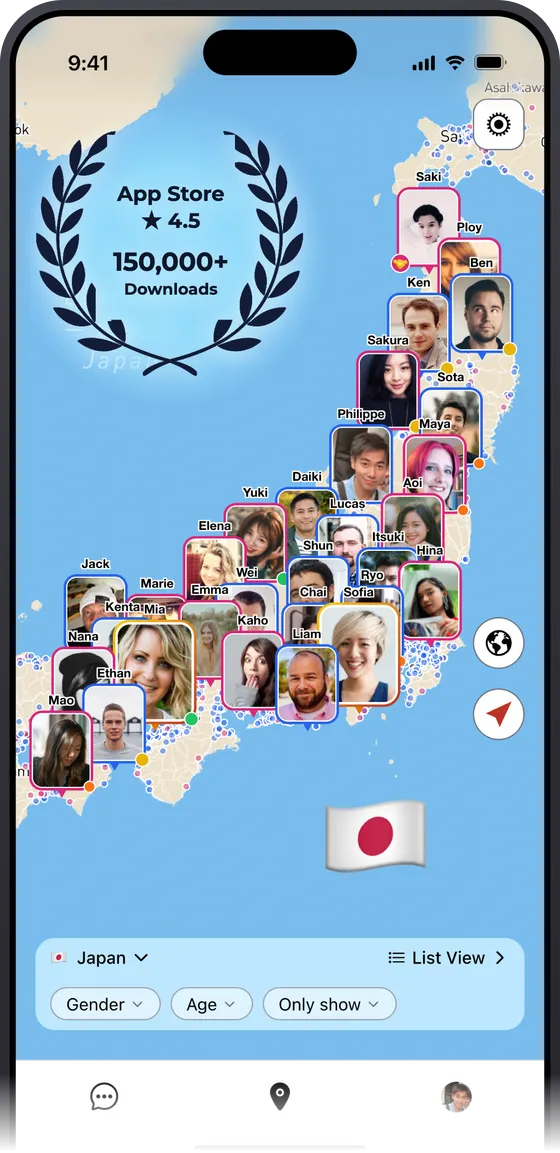
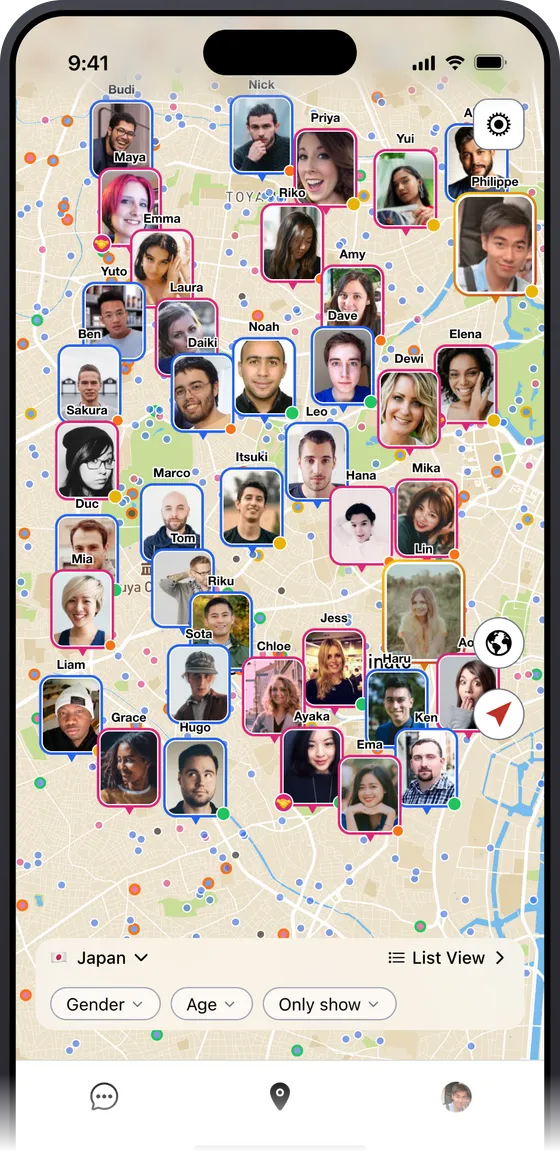
That is the whole reason we built SewaYou. It is a map-based app that shows you real people near you who want to make international friends and trade languages, so you build those reps with people who actually want to talk to you. No swiping, no performing, just real conversations that teach you by doing how honesty travels across cultures.
Make Japanese Friends On a Live World Map
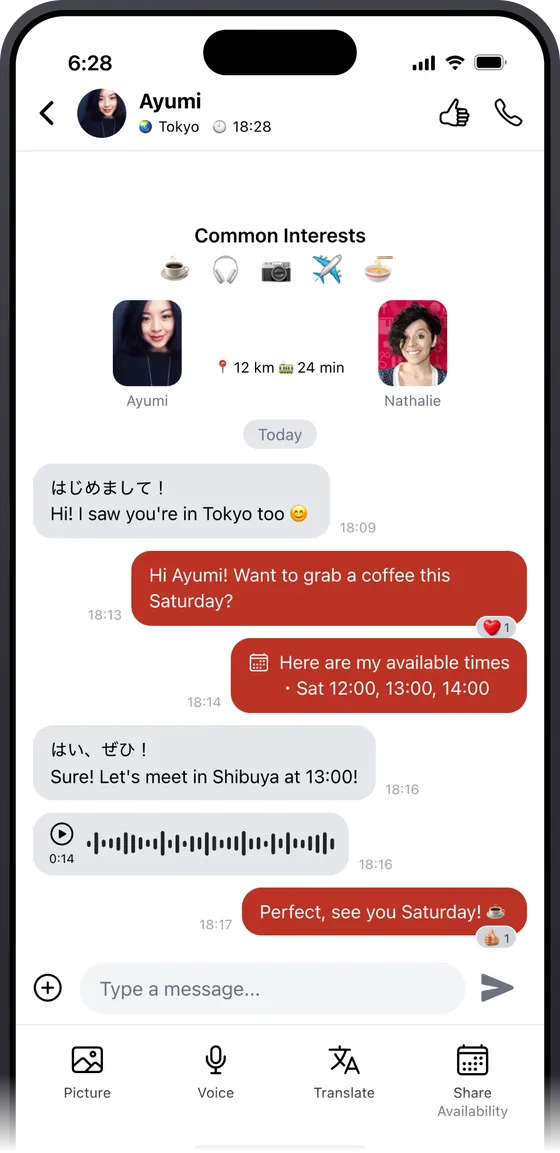



The next time you catch yourself asking "is this rude in Japan?", swap the question. Ask "am I being kind and clear?" instead. Get that part right and you can say almost anything to almost anyone.
Come find your people on SewaYou and start practicing the conversations that actually matter.


