
There's a specific kind of bad night that a lot of people in Japan know. You're a few years in. You open a beginner textbook, or a job listing, or a letter from the city office, and it hits you all at once: you understand far less than you thought you would by now.
The plan was simple. Work in Japan, hear Japanese every day, and let it seep in. Maybe you teach English, maybe you work at a company where everything happens in English. Either way, the language was supposed to arrive on its own.
It didn't. And now it feels like the whole dream is collapsing because of it.
If that's where you are, take a breath. It's a painful discovery. It is not a final verdict.
The idea that you'll "pick it up" is one of the most common assumptions about living abroad, and I understand why. You're surrounded by the language. Train announcements, convenience store greetings, coworkers chatting in the staff room. It feels like exposure should add up to something.
But background noise you don't understand mostly stays background noise. Your brain is very good at filtering out sounds it can't make sense of, especially when you're tired and every important conversation in your day happens in English anyway.
So if years of living here left you at a beginner level, that's how passive exposure works. It doesn't mean you're bad at languages or that you wasted your time in some unforgivable way. It means the method never had a chance.

When this realization lands, the mind tends to jump straight to the worst ending. "I'm years behind. I'll never catch up. I have to leave."
Slow down and look at what's actually true. You know how daily life here works. You can ride the trains, handle a supermarket, survive the paperwork with some help. You probably recognize more words and phrases than you give yourself credit for, even if a test says otherwise.
Learning Japanese to a working level takes a long time for almost everyone. That was true before you arrived and it's true now. The difference is that you're starting with context, not from zero. Every word you study from here has a place to land: a sign you've walked past a hundred times, a phrase your coworker always says, a station name you finally understand.
It's okay to grieve the years that didn't go the way you hoped. Just don't let that grief make the next decision for you.

A lot of the despair comes from tying two different goals into one knot. "I can't get the job I want because my Japanese is weak, so my life here is over."
Try pulling them apart.
The language problem is long-term. It needs a steady routine measured in months and years, not a heroic weekend.
The career problem might have a shorter path than you think. Some companies in Japan, often international ones or tech-focused teams, do hire people who work mainly in English, and skills like data analysis travel across languages. Whether that path is open for you depends on your experience, the market and your visa situation, so it's worth researching properly rather than assuming the door is shut.
Keeping your professional skills sharp in the meantime matters too. A small portfolio project, a course you finish, a dataset you clean and analyze on weekends. Your old skills didn't expire just because you've been teaching.

Here's the shift that tends to change everything: stop treating Japanese as background and start treating it as a way to reach specific people.
Flashcards and textbooks help, and a structured course gives you a backbone. But the thing that usually makes a language stick is needing it in a real conversation with someone you actually want to talk to. A neighbor. A coworker who's curious about your hometown. A language exchange partner who wants English practice as badly as you want Japanese practice.
Those conversations will be slow and clumsy at first. That's fine. Awkward real conversations beat perfect silence. Ten minutes of halting small talk with a real person often teaches you more than an hour of listening to strangers on a train.
And there's a quieter benefit. When your social life runs entirely in English, Japan can feel like a place you're visiting rather than a place you live. A few Japanese-speaking friends change that feeling, even before your grammar catches up.
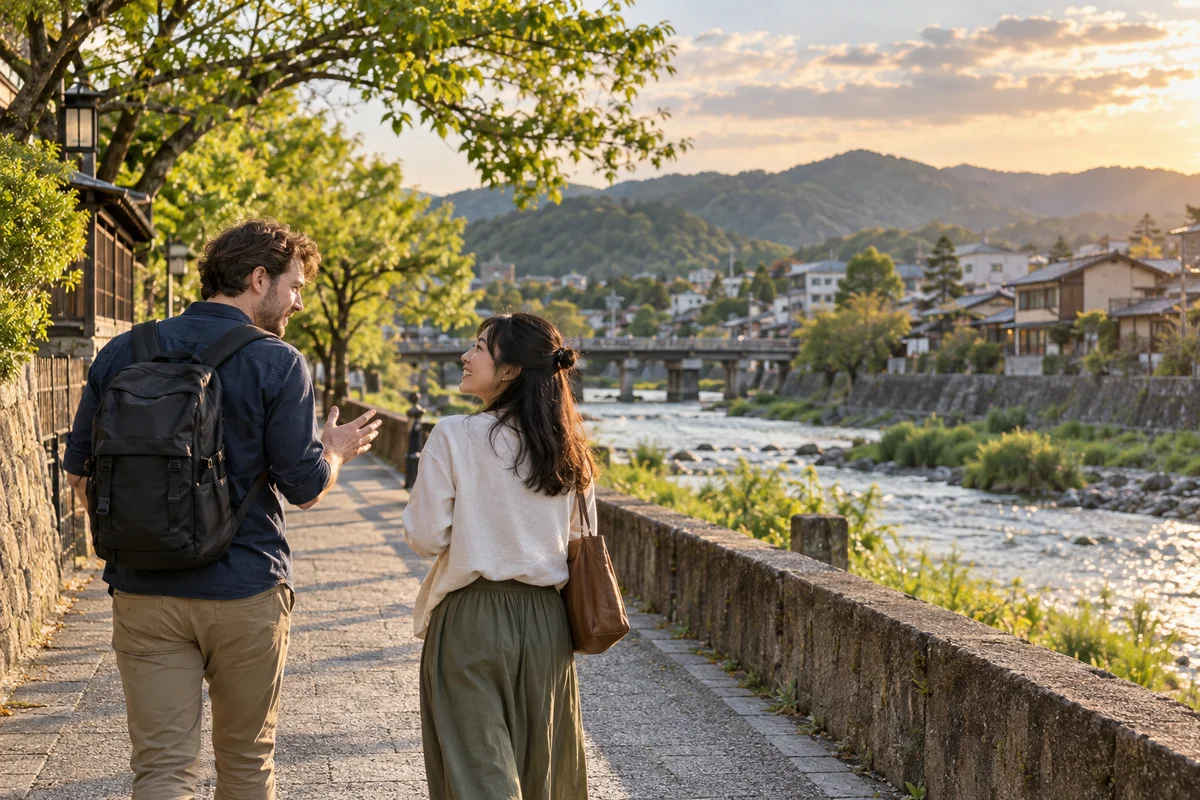
Maybe after all this you'll still decide to leave. That's allowed. People move home for all kinds of reasons, and it doesn't erase what you experienced or what you learned about yourself here.
But make that decision from a clear head, not from a night of crying over a textbook. Give yourself a real attempt first: a study routine you can actually keep, some honest research into your job options, and a few people to practice with.
If you're not sure where to find those people, that's a good place to start. SewaYou is a map-based friendship app for meeting people nearby and anywhere in the world. You can find Japanese speakers in your own neighborhood, explore another city or country from home, make online friends without any travel plans, or connect with people before a trip and meet once you're there.
Make Japanese Friends On a Live World Map
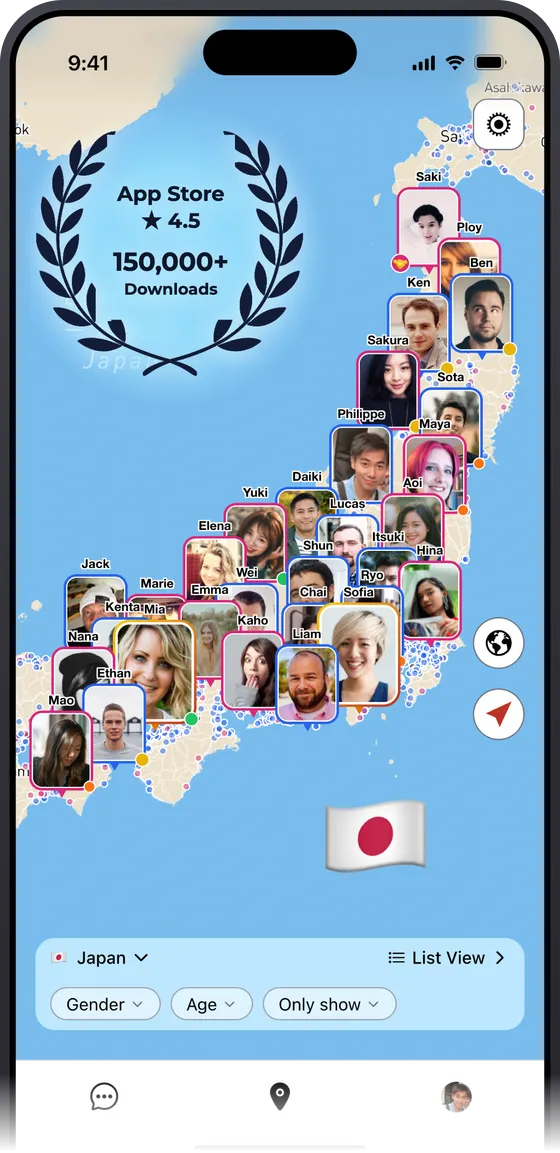
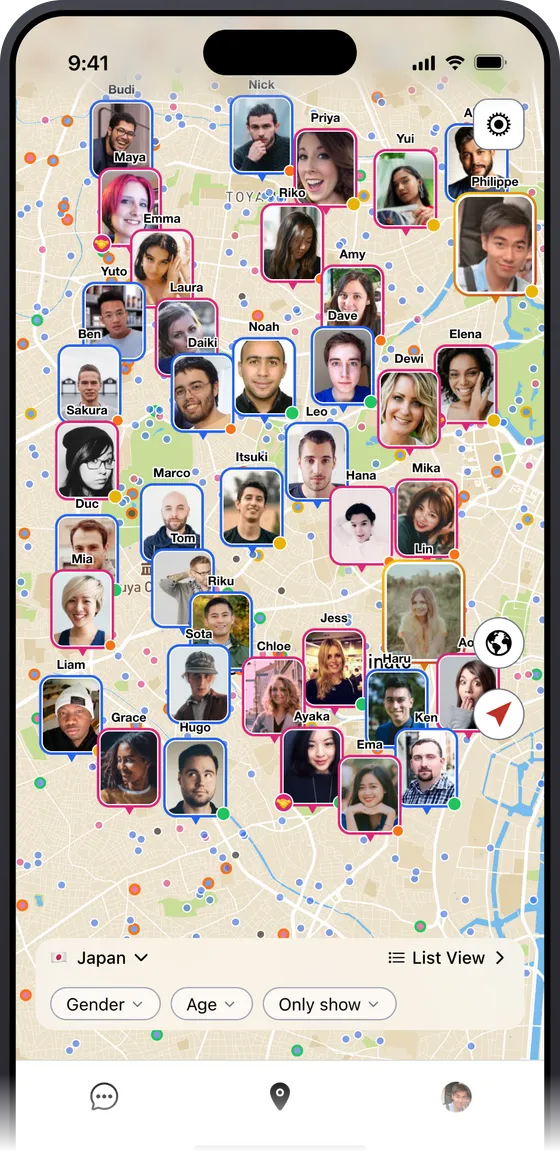
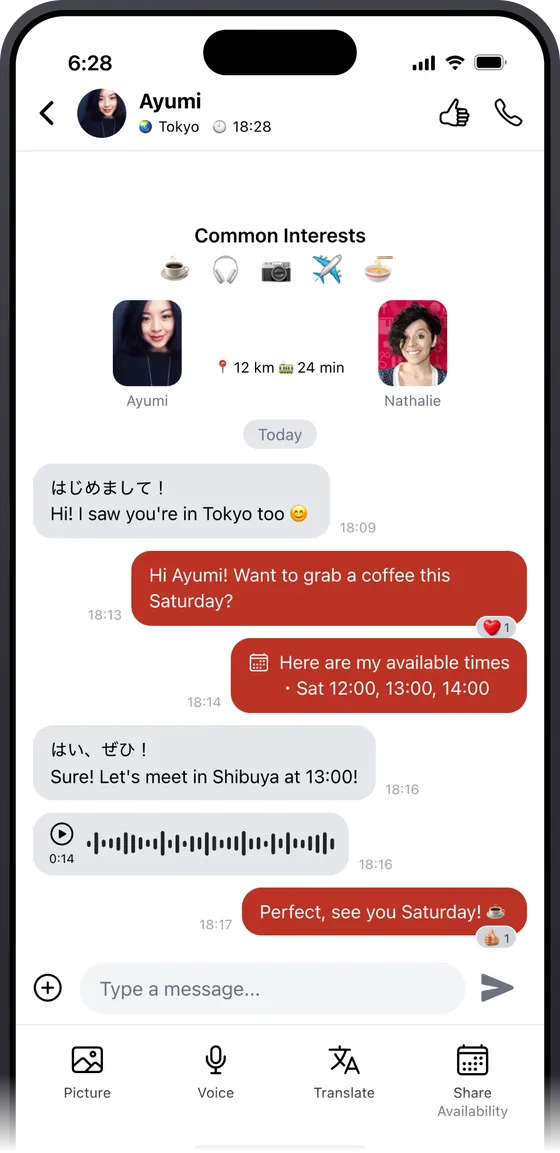


Look for someone who wants to practice English while you practice Japanese, or simply someone who shares a hobby. A language you use with real people has a reason to grow.
Download SewaYou to meet people nearby or anywhere in the world, and turn Japanese from background noise into conversations that matter to you.