

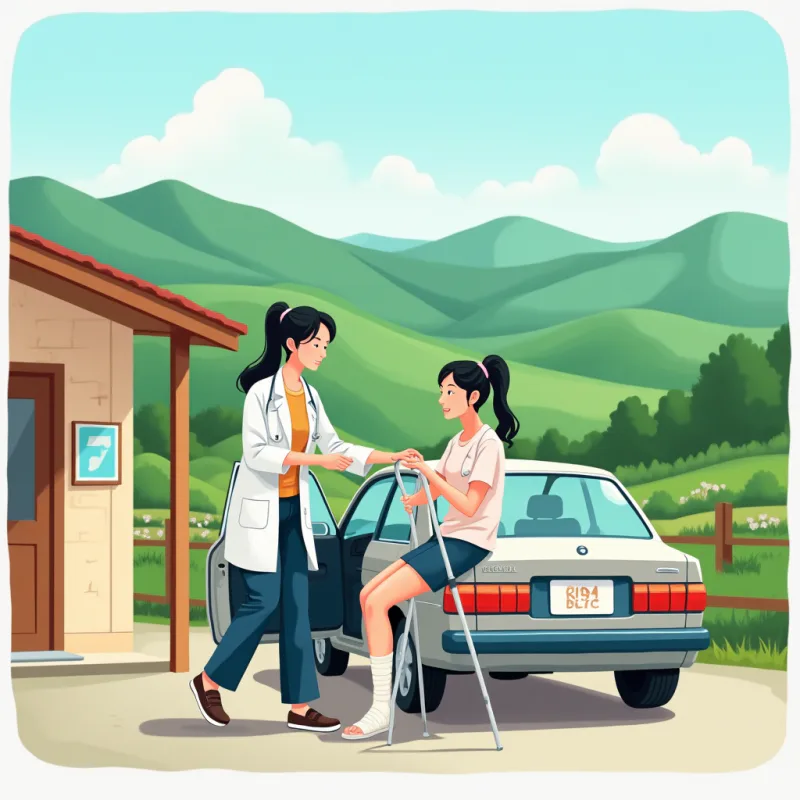
Picture this. You break a few bones in your foot at work. You can barely stand, and the nearest hospital worth the name is over an hour away down winding rural roads. A colleague, without being asked, starts driving you there. She sits with you in the waiting room. She helps you through the paperwork in a language you are still fighting with.
Then you find out she quietly deducted those hospital hours from her own pay, because technically she was not working while she cared for you.
If you grew up in the West, your next move feels obvious. Pay her back. Slip her some cash to cover her time and her lost wages. It is the fair, adult, respectful thing to do.
In Japan, it can land as the exact opposite.
Here is the thing nobody tells you when you move here. In a lot of Western cultures, money is a clean, neutral way to settle a debt. It says "we're even, no hard feelings, I respect your time enough to pay for it."
In Japan, handing someone cash for a personal kindness does something different. It quietly reframes what happened. She did not sell you a service. She chose to help a colleague she cares about. Reach for your wallet and you risk turning care into a transaction.
It can read as "I would rather owe you nothing than owe you a relationship." That is the last message you want to send to the one person who dropped everything for you.
So does that mean you just say thank you and let it go? No. That would be its own kind of rude.
There is a whole quiet system running underneath daily life here, and it has a name: お返し, okaeshi, the return. Reciprocity is absolutely expected. It just does not travel through an envelope of cash.
It travels through gifts.
When someone does something for you, you are supposed to come back later with something thoughtful, usually worth a bit less than what they gave, offered with a small amount of ceremony. The gift is not really about the object. It is a way of saying "I saw what you did, I remember it, and this relationship matters to me." A kindness in Japan is answered, not repaid.

You give something with thought baked into it. Price is almost beside the point. A carefully chosen gift that clearly took effort beats an expensive one picked in a panic every single time. Aim for thought over price.
A few things that tend to work:
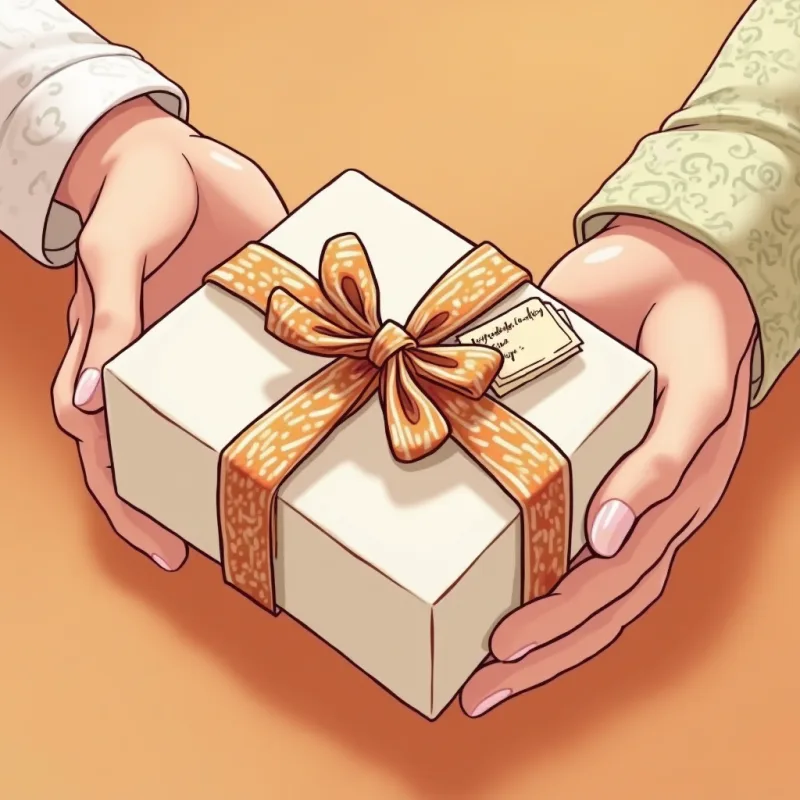
If cash genuinely feels like the only fit, wrap it. A clean envelope, a real thank-you, treated as a gift rather than a payment, changes the whole meaning. But for most situations, an actual object with a story behind it will always land softer.
Here is what really gets people. None of this is in your JLPT deck. It is not in the onboarding pack at work. You can study Japanese for years and still walk straight into this, because the grammar was never the hard part. The social code was.
These are the rules nobody writes down, and the only reliable place to find them is inside a local who likes you enough to explain why. Someone you can text "hey, weird question, my coworker did this huge thing for me, what do I actually do?" and get a real answer instead of a polite deflection.
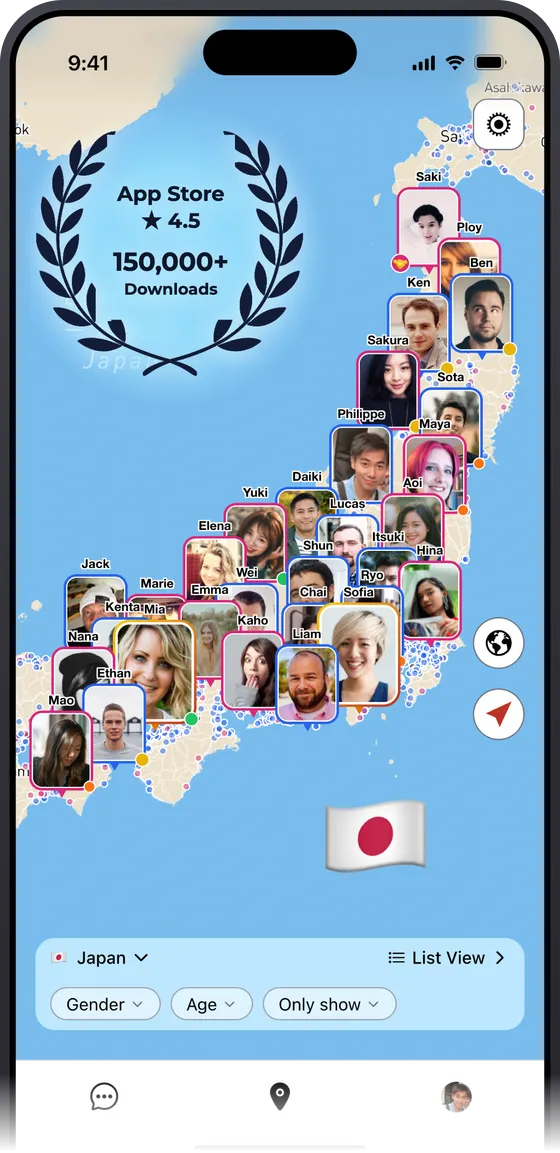
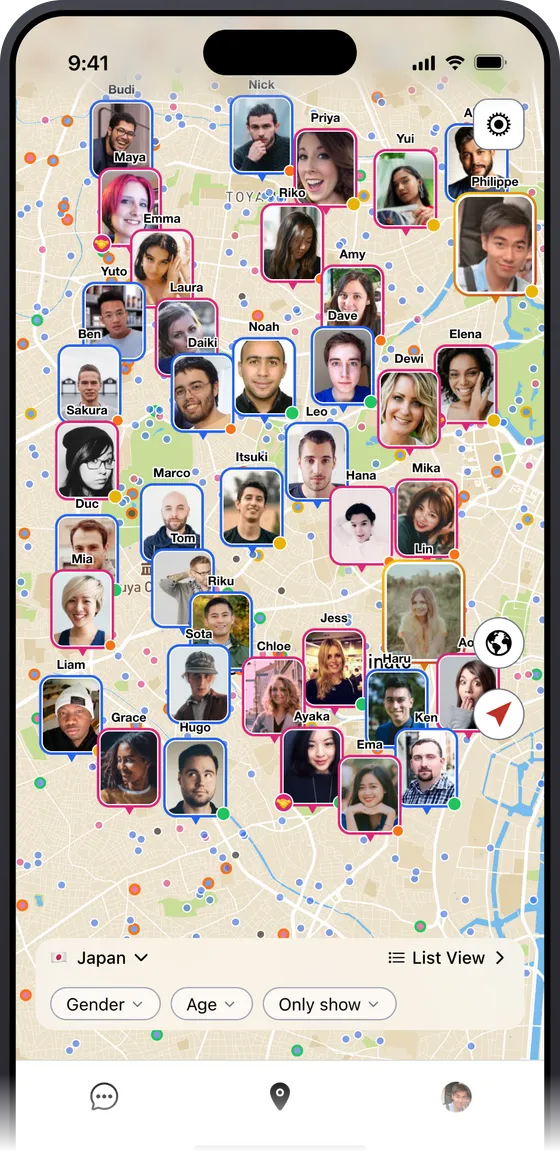
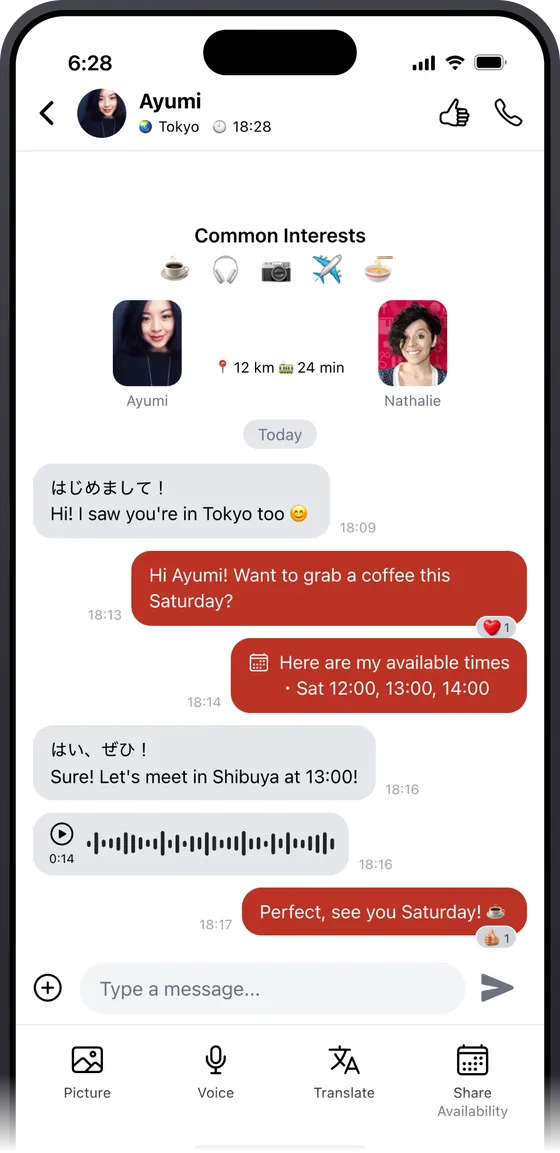
That is exactly the gap SewaYou was built to close. It is a map based app that shows you the people around you who are genuinely open to connecting, so you build the kind of local friendships that quietly teach you how things really work here. The unwritten rules live in people, not textbooks.
Make Japanese Friends On a Live World Map


The foreigner who thrives in Japan is rarely the one with the best grammar. It is the one with a couple of local friends who will happily tell them, before they embarrass themselves, that the kindest thing they can do is put the wallet away and bring back something small from their next trip.
Find those people. Download SewaYou and start with the ones already nearby.


