

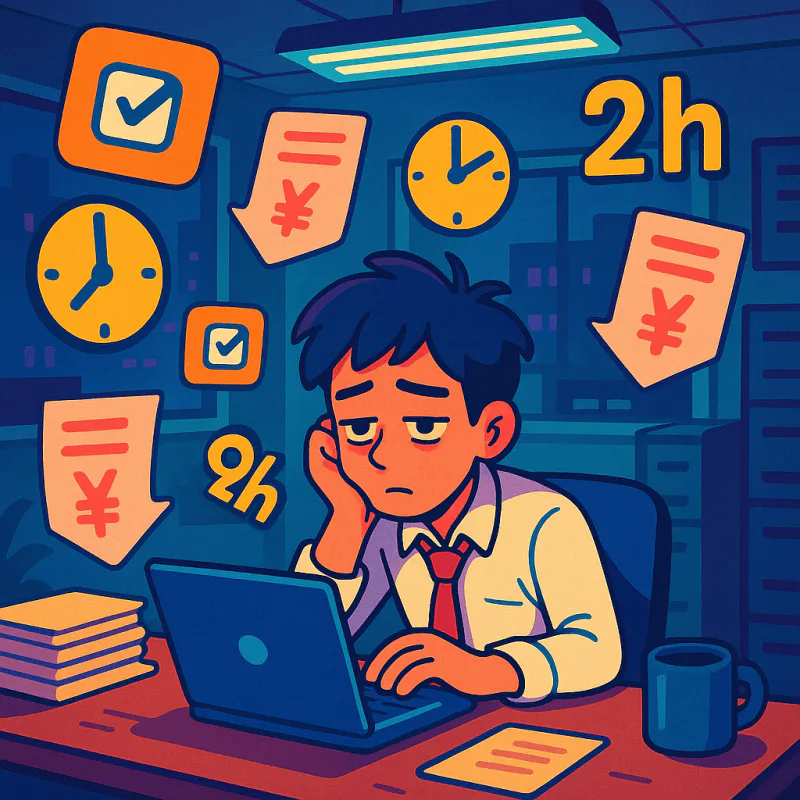
You moved to Japan, or you came back to Japan after growing up abroad. You hear the horror stories about black companies, eighty-hour weeks, openers who come in unpaid because the workload is impossible for one person. Then you see a job posting from a foreign-owned company in Tokyo and feel a flash of relief. Western boss, normal hours, finally. You sign. Six months later you are standing in a meeting room learning that ¥10,000 has been deducted from your pay because you forgot to clock out on an app nobody explained, and you cannot tell whether that is normal here or not.
This is the foreign-owned trap, and it catches a specific kind of person every year. Young returnees, new graduates, people taking their first job after arriving in Japan. They use ownership as a proxy for culture, and ownership is not culture.
Foreign-owned is not Western-run.
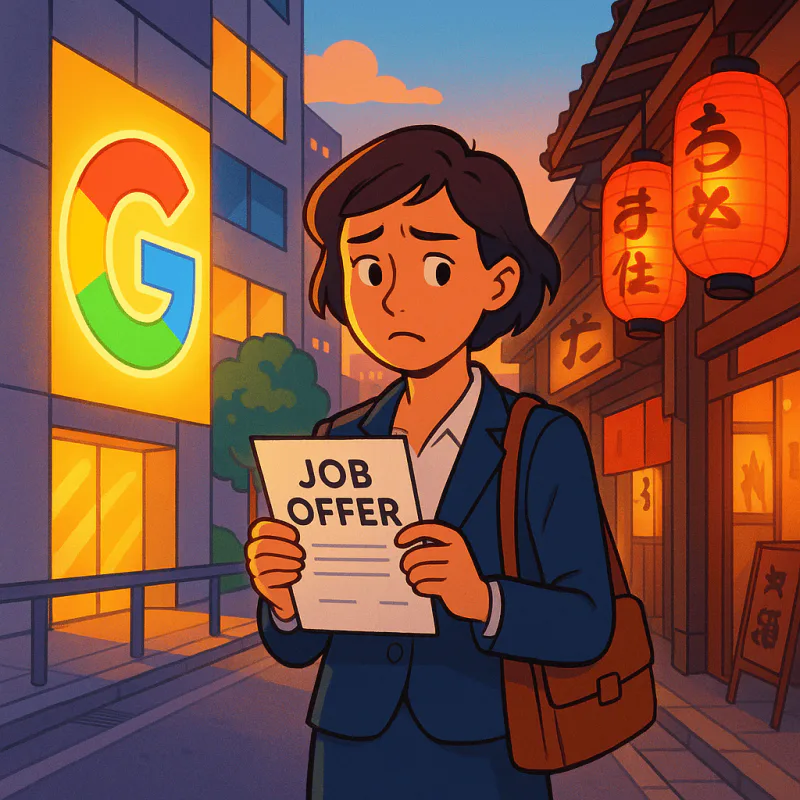
A company headquartered in Berlin, San Francisco, or Toronto operates inside a tight web of regulation, HR enforcement, and worker norms in its home country. The same founders running a small subsidiary in Tokyo are operating in a different web. Labor law exists here, but the cost of breaking it is low for small companies, the language gap protects bad actors, and most of the staff are visa-dependent and cannot easily walk out.
What happens, often, is that foreign owners do not bring their parent-country norms with them. They adapt to whatever they can get away with locally, plus the personal management style of one or two founders, plus the convenience of hiring people who cannot push back. The result is sometimes worse than a normal Japanese company, not better. Hours get manipulated to qualify someone for a visa renewal. New hires work unpaid for the first month "to learn." Wage deductions appear for things that would trigger a complaint anywhere in the parent country.
The HR language is in English, the Slack is in English, the all-hands is in English. None of that maps to actual employment practice.
The hardest thing about being at a black company, foreign-owned or not, is that everyone around you also accepts it. Your coworkers came in early unpaid this morning. The person across from you also got a deduction last week. The visa holder next to you also worked free for the first three weeks. Nobody is screaming, so your nervous system slowly recalibrates and decides this is fine.
If your first job in Japan is also your first real exposure to working life here, you have nothing to compare it to. Every weird thing your boss does becomes part of your reference set for "how it works here." Two years later, when you finally meet someone who has worked at three different companies in Tokyo and they tell you ¥10,000 deductions for app mistakes are not legal, you feel both relieved and stupid. You should not feel stupid. You feel that way because you were inside the situation alone.
You cannot calibrate from inside the bucket.
When experienced foreigners in Japan vet a job offer, they do not look at the website, the all-hands video, or the Glassdoor page. They text three or four friends who have worked in adjacent companies and ask "have you heard anything about this place." Five minutes later they have the answer. This pre-screen catches almost every black company before the interview even happens.
The catch is obvious. To do this, you need three or four friends in Japan who have already worked at multiple companies and will speak honestly. Most people land in Japan, accept their first job within a month, and do not build that kind of network until they are already inside a bad situation. The order is backwards.
This applies to Japanese friends too. A returnee at the start of their career often defaults to a foreign social circle, which means their entire signal about Japanese workplaces comes from people who only know foreign-owned ones. A few Japanese friends who have worked at normal Japanese companies, plus a few foreign friends who have worked at five different employers in Tokyo, gives you the panel you actually need.

The advice that would have saved a lot of people I am thinking of writing this for is not "find a better company." That is downstream. The advice is to build a small group of friends in Japan, foreign and Japanese, before you ever sign your first offer.
Most foreigners in Japan do this in the wrong order. They take a job, then start building friends through that job, which means everyone they know is inside the same bubble. Their reference set is one company. When something feels off, they have nowhere to ask. By the time they have a real network, they have already burned a year on a place they should have skipped.
If you are about to land in Tokyo, or you are six weeks in and starting to feel something is off at work, the highest-leverage move is not job-hunting. It is meeting people. People with multiple-employer histories. People who will tell you the truth when you describe a clock-in deduction or a visa-qualifying schedule. The job comes after the network, not before.
Network first, job second.
The hard part is the same as every other piece of advice for life in Japan. The country does not give you this network by default. You have to build it, and the normal channels are slow.
Make Japanese Friends On a Live World Map
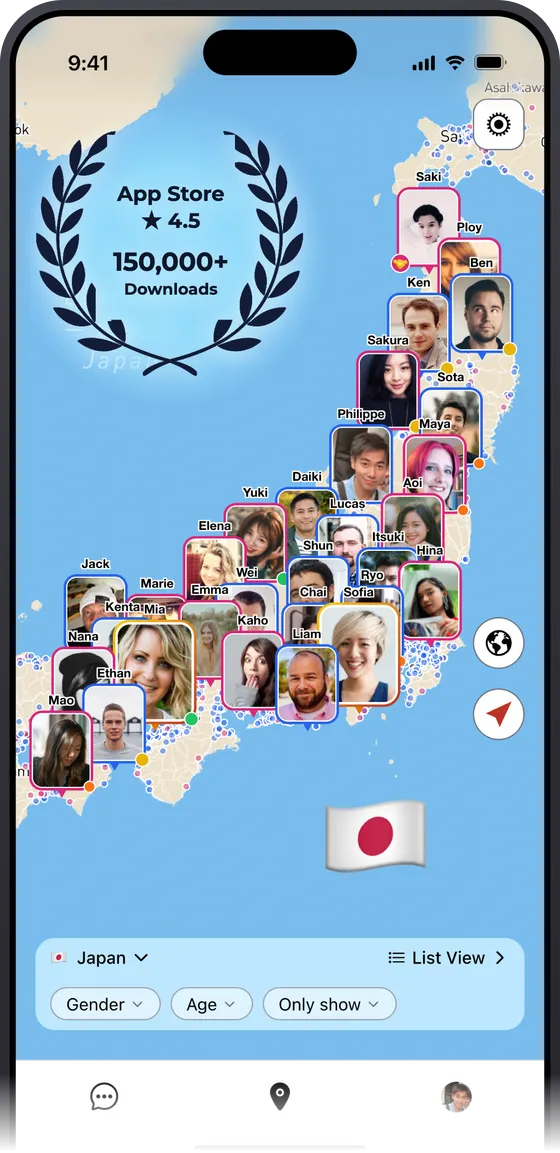
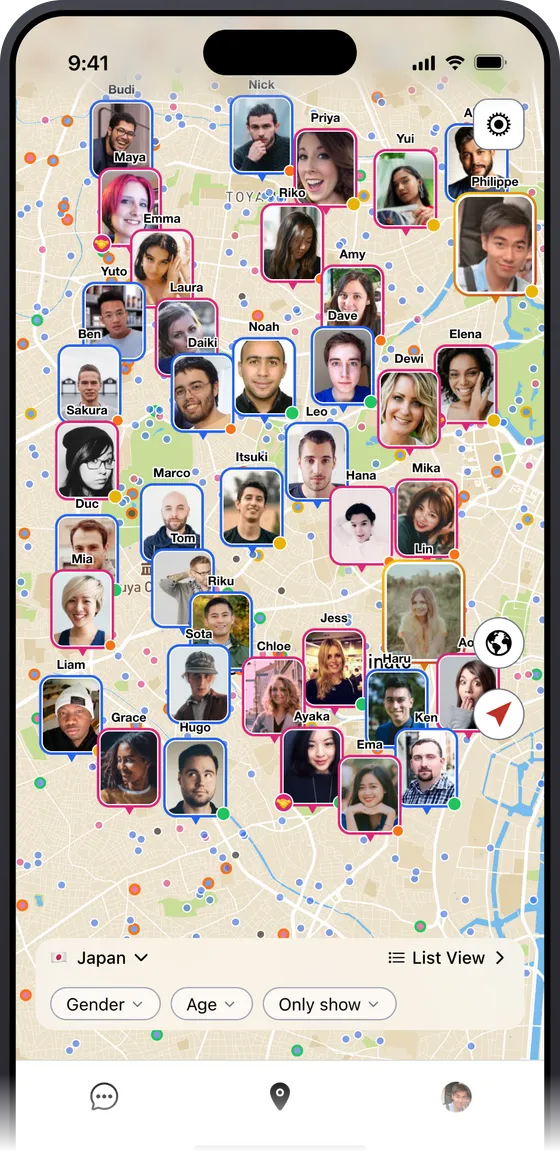
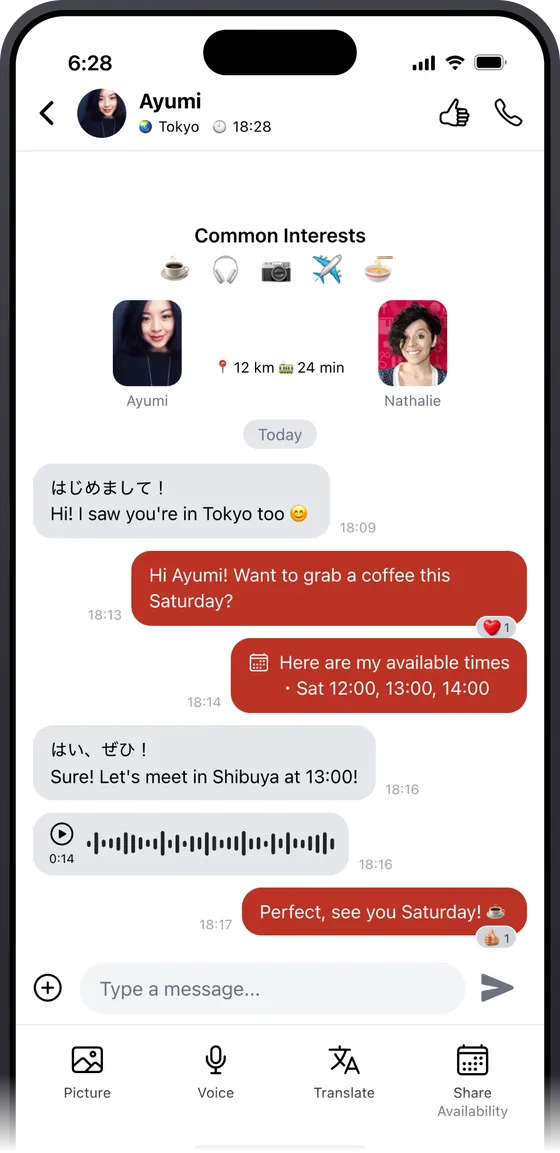


SewaYou is a map-based app for meeting both Japanese locals and foreigners in your city, in person, this week. The map shows who is nearby, both sides, and everyone on it is open to actually meeting up rather than chatting forever in an inbox. Two coffees a week is enough to start building the panel that will save you from signing a contract you should not have signed. The faster you start, the less of your first year in Japan gets spent inside a situation you cannot see clearly from the inside.


