
Picture a video call. On one side, a team in Tokyo. On the other, people in Singapore, Berlin and Toronto. The meeting runs in English, and within five minutes everyone is on first names. Mark, Priya, Lena.
Then it's your turn to hand the floor to the colleague you've called Tanaka-san every single day for two years. And your brain freezes for half a second. Is she Yuko right now? Ms. Tanaka? Tanaka-san, in the middle of an English sentence?
I've watched people stumble over this exact moment, and I've done it myself. It feels like a tiny thing. It isn't. Names quietly decide who feels included.

Here's what tends to happen when nobody thinks about it. The foreign participants get first names. The Japanese participants keep their surnames, sometimes with "-san", sometimes with "Mr." or "Ms."
Each choice on its own is polite. Together, they can split the room into two groups: the casual insiders and the formal outsiders. Nobody intended that, but the people on the surname side can end up sounding more distant, more senior, or simply less like part of the conversation.
The opposite mistake exists too. Suddenly calling a senior Japanese colleague by their first name because "we're speaking English now" can feel like a jolt to them, especially if nobody asked. Neither default is automatically respectful.
So what's the fix? Stop guessing.
The cleanest solution is boringly simple. Before the meeting, or the next time you're grabbing coffee, ask: "When we're in English meetings, what would you like people to call you?"
That's it. In my experience, most people appreciate the question. Some will say "Yuko is fine." Some will say they prefer Tanaka. Some already use a short nickname with overseas teams and are relieved someone finally asked instead of guessing.

Asking in private matters. Putting someone on the spot in front of twelve people turns a kind question into a small performance. One-on-one, it's just two coworkers sorting out a detail. A thirty-second question beats years of guessing.
Sometimes you don't even need to ask. People often signal how they want to be addressed in English:

One thing I'd avoid in English meetings is inventing a hybrid on the spot, like switching to "Yuko-san" when you've never used it before. Some teams do use it naturally, and that's fine. But if it's new, it can sound like you're unsure, which is exactly the feeling you're trying to avoid.
Here's the part people overthink. You can call her Yuko in the English meeting and Tanaka-san at the coffee machine ten minutes later. That isn't inconsistent. It's code-switching, and bilingual workplaces run on it.
Languages carry their own politeness systems. Japanese marks respect in how you say a name. English tends to mark it in tone, word choice and how you phrase a request. Respect travels, the form changes. If you've agreed on a name for English, you're not being rude by using it, and you're not being stiff by going back to "-san" in Japanese.
The only real rule: be consistent within each language, and don't make anyone feel like the odd one out.

What strikes me about this whole question is how much warmth sits underneath it. When you ask someone what they'd like to be called, you're really saying, "I want to get this right with you." That's the beginning of most good friendships across languages, at work or anywhere else.
It's also why meeting people outside of the office matters. When you have Japanese friends who aren't your colleagues, you learn these little cues naturally, over dinners and messages and bad jokes, instead of in a tense meeting. Practice the small stuff where it's low stakes.
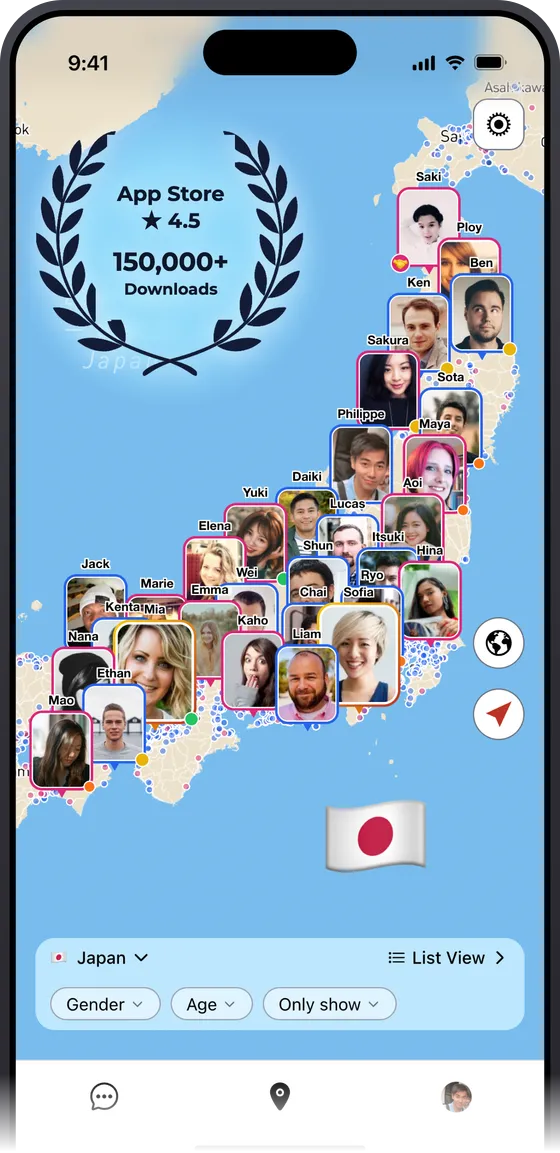
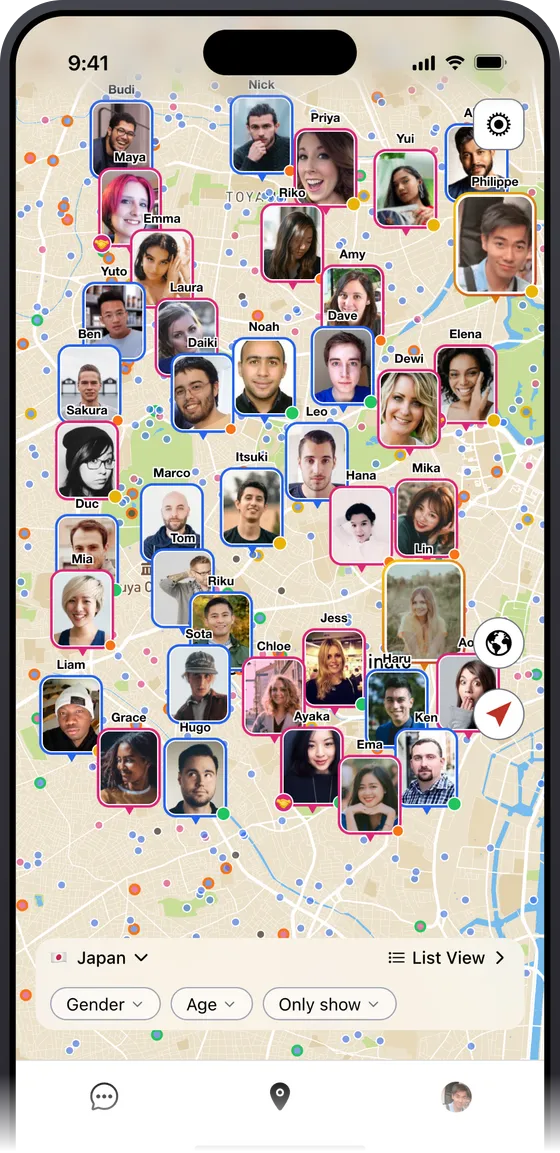
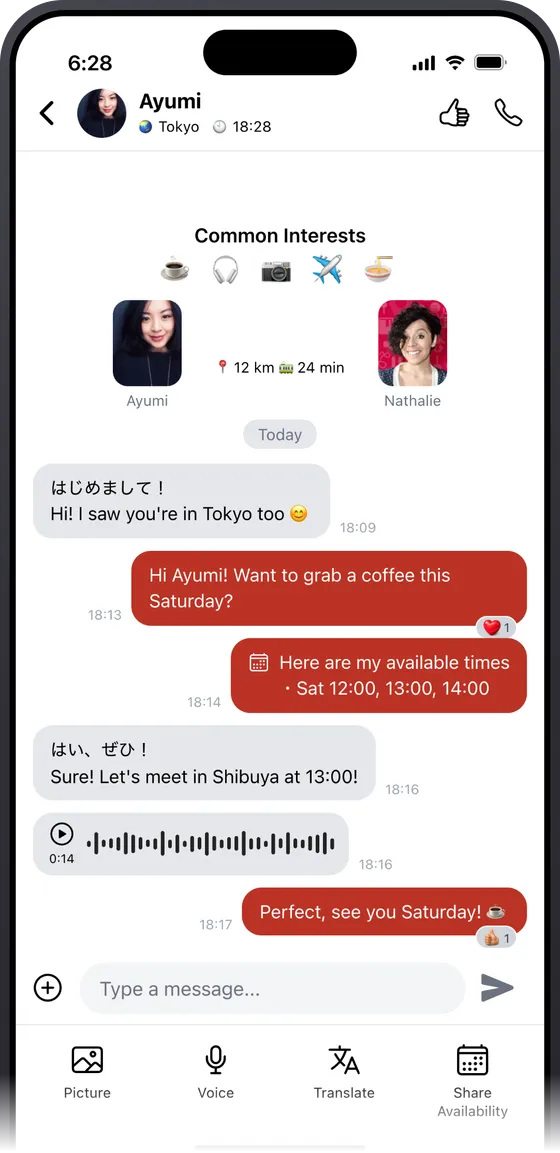
That's what SewaYou is built for. It's a map-based friendship app that shows people nearby and anywhere in the world. You can meet people in your own city, explore another country from home and make online friends without any travel plans, or connect with people before a trip and meet once you're there.
Make Japanese Friends On a Live World Map


You'll make your share of name mix-ups along the way. Everyone does. The difference is that with friends, a mix-up turns into a laugh and a better story, not a moment you replay on the train home.
Next time the name question comes up, ask. Then, if you want more people in your life to practice with, download SewaYou and start exploring the map.