

There is a small thing on the news that I can never un-notice. A foreigner starts speaking, in English or French or whatever, and before they finish the first sentence, a voice actor climbs in over the top of them.
Not a flat translation. A performance. An older man gets a creaky grandfather voice. A teenager describing an accident they witnessed gets a panicked, squeaky delivery. The actual person underneath gets quieter and quieter until they are just background noise to a dub.
Once you notice it, you cannot stop noticing it.
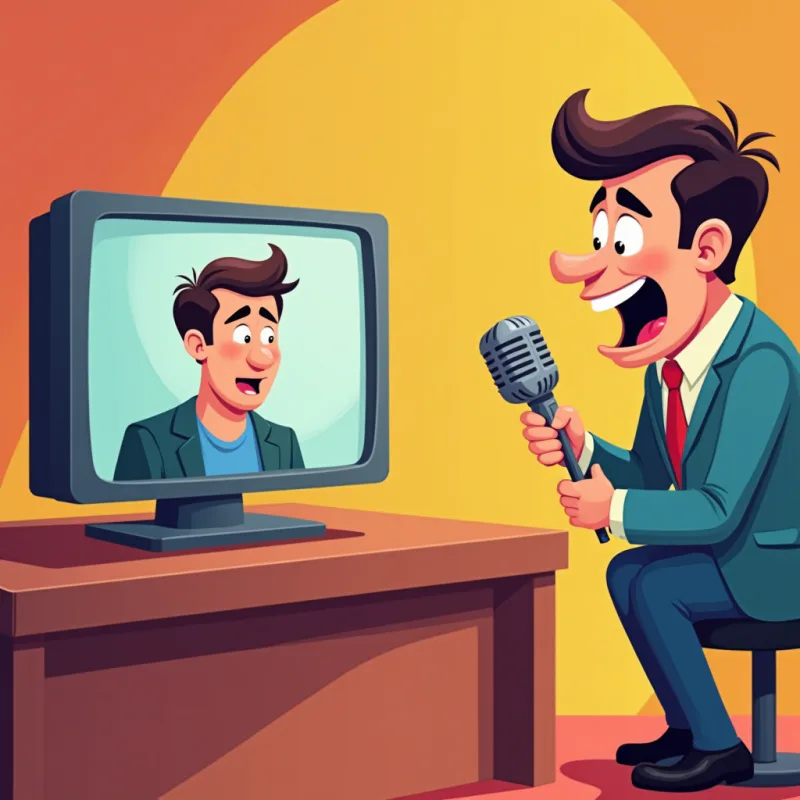
Here is the part that bugs me. That voiceover is not telling you what the person said. It is telling you how a producer decided the person should feel.
The words get honed. The timing gets tightened. A little foreign "pizzazz" gets sprinkled on top. It quietly edges out of journalism and into entertainment. It is a performance, not a translation.
And most viewers never clock it. They take the dubbed emotion as the real emotion. But the speaker already had inflection. They already had emphasis. The news station just painted over it with its own read of who this person is.
Now zoom out, because this is not really about the news. It is about the layer.
Almost everything you think you know about people from other countries arrived through a layer like this. Dubbed films. Subtitled interviews chopped down to fit a segment. A ten-second clip with a caption somebody else wrote. You did not meet those people. You met an edit of them.
Every time, you get a version, not a person.

And here is the uncomfortable part for anyone learning a language. Your translation app does the same thing, just quietly.
You type a message full of personality. A joke, a bit of slang, a "haha" right where you hesitated. It comes out the other side as a clean, neutral, slightly stiff sentence. The reply gets the same treatment on the way back to you. You are both technically there. Your actual selves are not.
What you are reading is the flattened dub of your own conversation.
Think about what vanishes when a person gets smoothed down to a neutral sentence. The accent that hints where they grew up. The pause before they answer something personal. The joke that only half lands, which is somehow more charming than if it had landed clean. The word they reach for and miss.
That texture is not noise. That texture is the person. Strip it out and you are left with a transcript, and nobody has ever made a friend out of a transcript.
So the fix is not a better dub or a smarter translation. It is fewer layers.
Talk to real people, in something close to their real words, even when it gets messy. Yes, you will misunderstand things. Yes, you will fumble a sentence and laugh about it. But something broken, direct, and real carries more of a human being than a flawless secondhand summary ever could.
That is the whole idea behind SewaYou. It is a map-based app that drops you into real conversations with real people near you and around the world, so you are talking to the actual person instead of an edit of them. You see who is genuinely out there, you reach out, and you get their voice, their timing, their slightly odd sense of humor, unfiltered.
Make Japanese Friends On a Live World Map
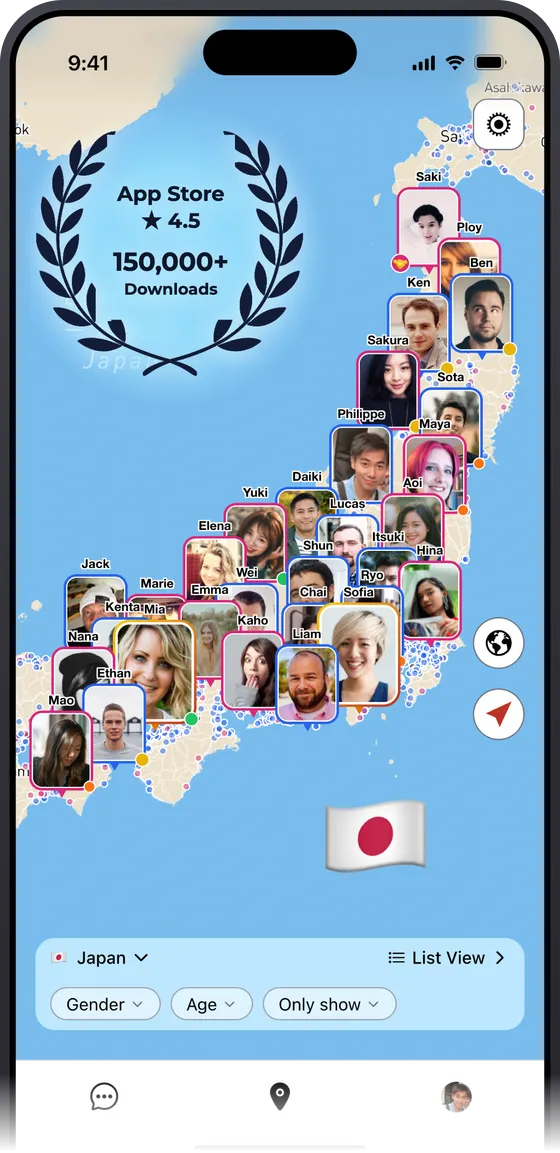
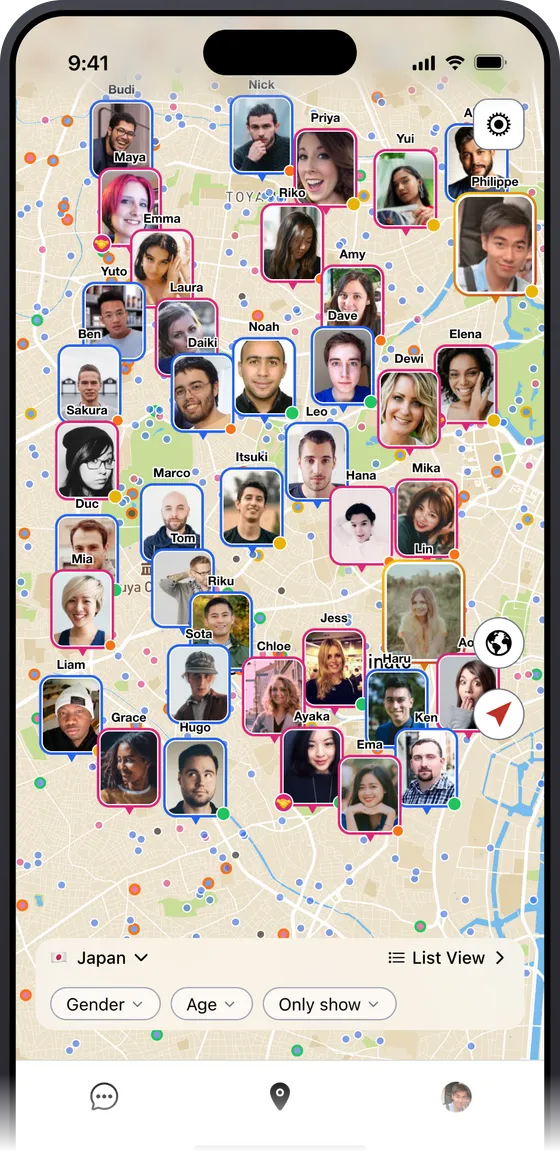
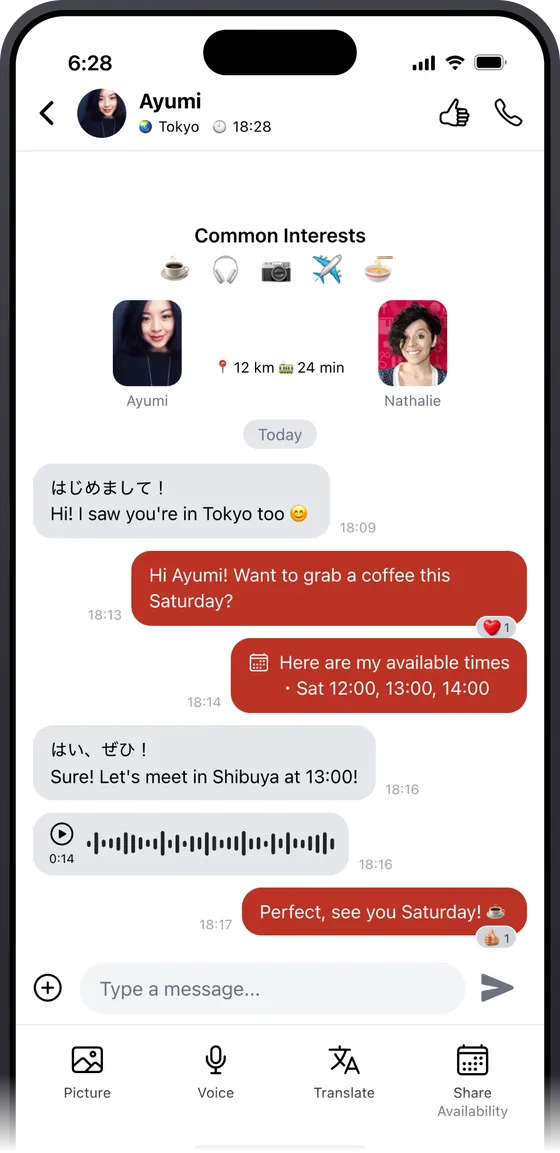


Hear them in their own voice, accent and hesitation and all, and you will understand a place and a person more from one honest exchange than from a hundred polished, dubbed clips.
You will not sound perfect. Neither will they. That is exactly the point.

The news gives foreign speakers a performance because a performance is easier to sell than a person. You do not have to accept the same deal in your own life.
Turn off the voiceover. Meet the actual human. Download SewaYou and start a conversation that nobody edited for you.


