
You can care about doing your job well and still feel absolutely no desire to spend Friday night at a company dinner. That feeling can get sharper when your job offers little security, your pay feels stretched, and every urgent request seems to come with a test of your attitude.
Then the question stops being "What work needs doing?" and becomes "Why don't I care about this company enough?" That's a much heavier question to carry home.
I'd separate the two before judging yourself. Your responsibilities need clear terms. Your affection cannot be assigned, and your social life deserves room beyond the people on the payroll.
If you're on a fixed-term contract in Japan, you might catch yourself thinking that the company wants permanent devotion while offering temporary security. That mismatch is worth examining. It doesn't mean contract workers are less responsible, or that permanent employees should be available without limits.
The useful goal is professionalism without personal devotion. You can communicate clearly, take care with your work, and flag a problem early without making the company's success the center of your identity.
When a client request becomes urgent, bring the conversation back to the work itself. Try: "Which task should I prioritize, what can move, and are you asking me to work additional hours?" If extra hours are requested, ask how they will be approved, recorded, and paid under your employment arrangements.
Whether a specific instruction is valid depends on more than your job label. Your contract, working conditions, and the actual circumstances matter. A discussion about workload needs those details, not a competition over who feels the most loyal.
A company meal might be genuinely enjoyable. You might like your colleagues and still prefer a quiet evening, have other plans, or simply not want to pay for that particular event. None of those preferences tells anyone how carefully you do your job.
The uncomfortable part begins when attendance becomes a character reference. If you worry that declining will make you look ungrateful, the invitation can feel like another task, even if everyone calls it fun.
Ask about the choice behind the invitation. Is attendance optional? Is this a work event with an attendance requirement? Who can explain how the time and cost are handled?
If you've confirmed that it's optional, a brief answer can be enough: "Thanks for inviting me. I won't be joining this time." You don't need to invent an impressive alternative plan to make staying home sound acceptable.
That sentence cannot guarantee a comfortable response. If you're worried about renewal or retaliation, gather information and get advice about your situation before deciding how to approach the conversation. Finding this difficult doesn't mean you've failed at setting boundaries.

If a social-event contribution appears on your payslip, separate it from the question of whether you like your coworkers. A recurring deduction is something you can ask payroll to explain. Going to the meal because you've already paid doesn't answer how the deduction works.
Start with the deduction, not your attitude. Check your payslips, employment documents, and any information you received about a staff social fund. Then ask a concrete question, such as:
Could you explain the basis for this social-event deduction and share the relevant policy or agreement? Does it apply when I don't attend, and is there a process to opt out or request a refund?
Keep the response alongside your own payslips and notes of relevant conversations. If overtime is also an issue, keep an accurate record of your hours and instructions without taking confidential client material. These are separate questions, even when they contribute to the same feeling of being taken for granted.
A payslip entry alone isn't enough to decide whether a deduction is lawful. Japan's Ministry of Health, Labour and Welfare lists consultation services for foreign workers and the Labour Standards Advice Hotline, including English-language support. Check the official page for current availability and bring your documents and specific questions.
Friends can help you feel less alone while you sort this out. For interpreting the employment issue, seek advice from someone qualified to assess your circumstances.

When your colleagues are most of the people you know in Japan, declining a company event can feel like declining your only chance to belong. You may be tired of the obligation and afraid of the empty evening at the same time.
Work friendships can be wonderful. The question is whether you also have somewhere you aren't being evaluated: a conversation where nobody decides your next assignment, a shared hobby, or someone who knows what you enjoy beyond your role.
Start by choosing an activity you would like even without its networking potential. Browse a record shop with someone who likes the same music. Exchange cooking photos with an online friend. Invite a person from a class to do something small after the next session.
You could say: "I'm checking out that record shop on Sunday afternoon. Want to browse for a bit?" The invitation has a subject and a shape. Neither person has to manufacture instant closeness or commit to a whole evening.
An existing work friendship can also become more personal when both people want it. Invite a colleague individually because you share an interest, and leave them room to decline. You don't need to reject everyone at work to build relationships that could continue after either of you leaves.
If irregular hours make plans difficult, our guide to friendship around shift work in Japan offers ways to stay in touch without pretending your schedule is predictable.

Building a wider circle won't fix an unexplained deduction or an unreasonable workload. It can give you a connection beyond your job title, alongside the practical steps you take at work. You don't have to wait until your employment situation is perfect to be curious about someone else.
SewaYou is a map-based friendship app for discovering people nearby and anywhere in the world. You can explore another city or country from home, build online friendships without travel plans, connect before a trip, and meet in person when you're nearby.
Make Japanese Friends On a Live World Map
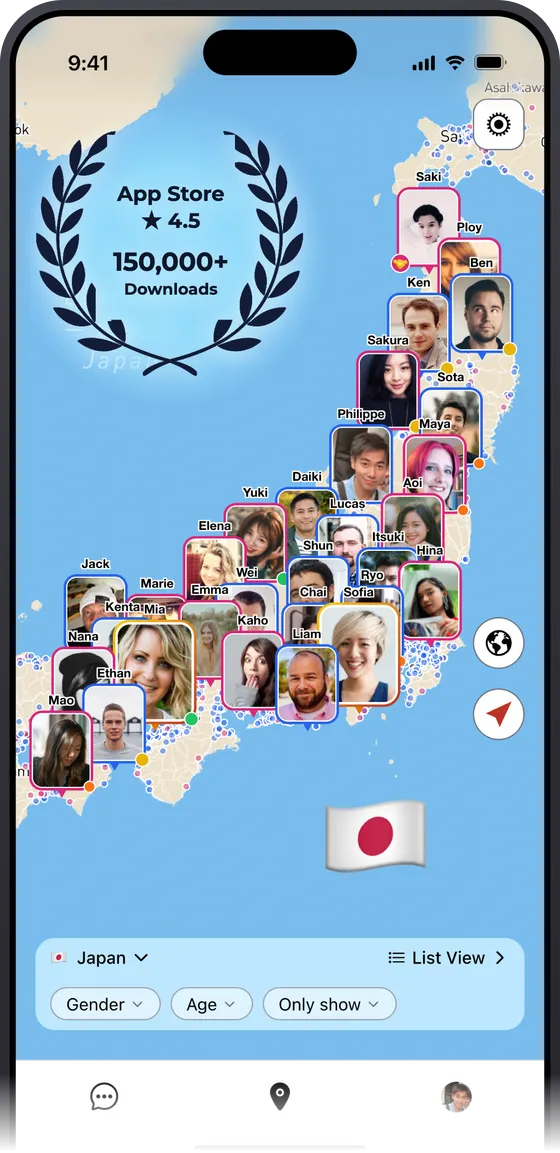
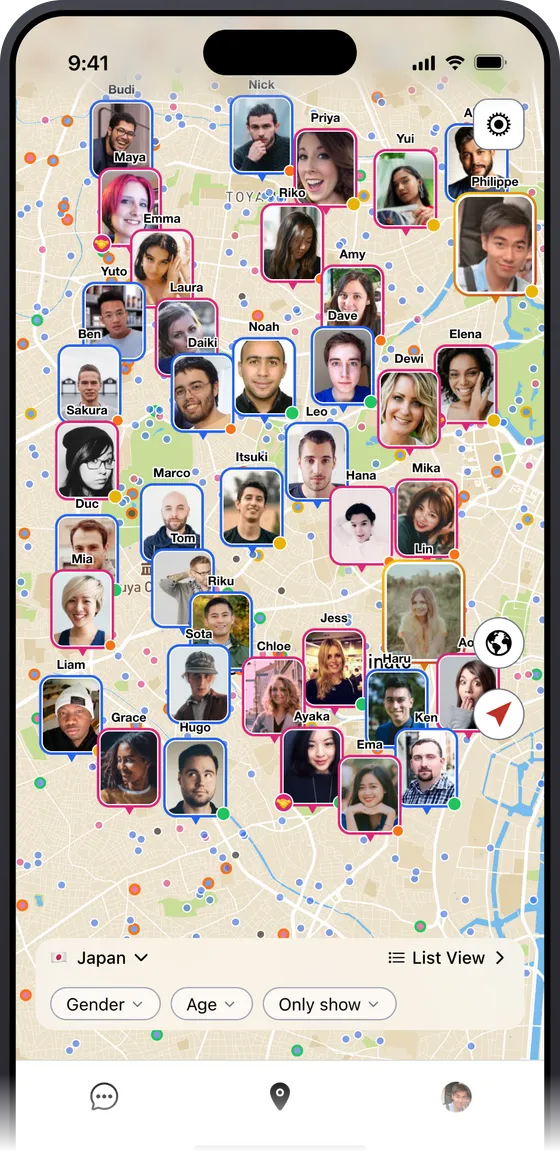
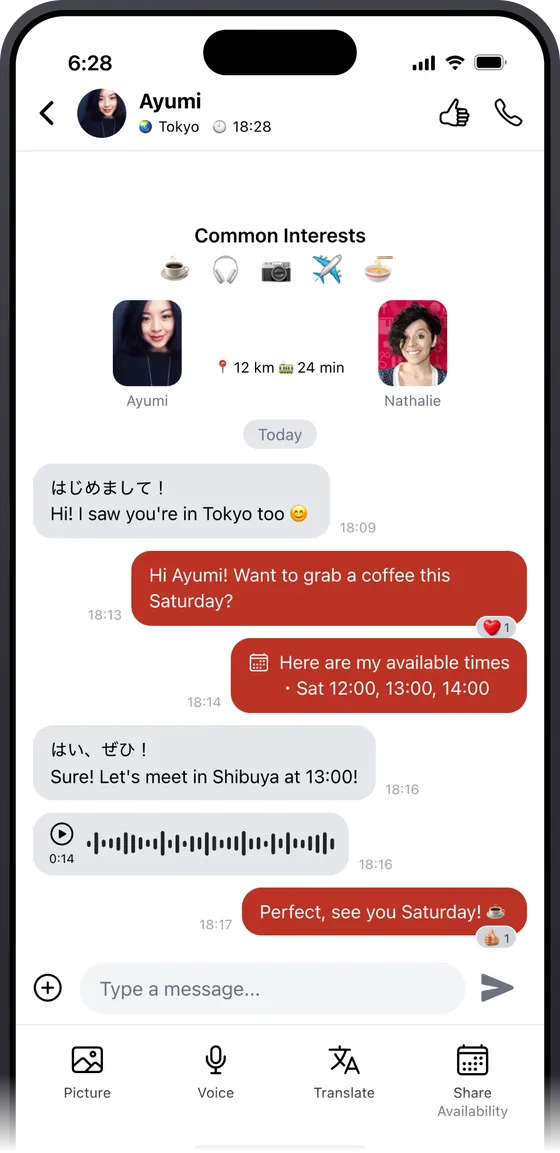


Start with an interest you want more space for. Ask what someone has been listening to, what they like cooking, or which language they're practicing. You can care about a conversation without needing it to prove anything about your commitment to a company.
Download SewaYou to meet people nearby or anywhere in the world, and make room for friendships you choose.