

A woman in her late twenties told me last month that she found a bag of rotting vegetables leaning against her apartment door. Not in the trash area. Against her door. The bag was unmarked. It had not been there an hour earlier when her partner left for work.
This was the third strange thing that month. A bottle of soy sauce had fallen past her balcony from the floor above while she was hanging laundry. The neighbors on her right kept ringing her intercom at odd hours, claiming each time that they had the wrong door. None of it was dramatic enough to call the police over. All of it was just weird enough to make her sit on the floor and ask herself, out loud, whether she was losing her mind.
She had been in Japan two and a half years. Her Japanese was workable. Her job was fine. Her apartment, until recently, had been the most normal thing in her life.
Then everything got slightly off, and she had nobody to tell.
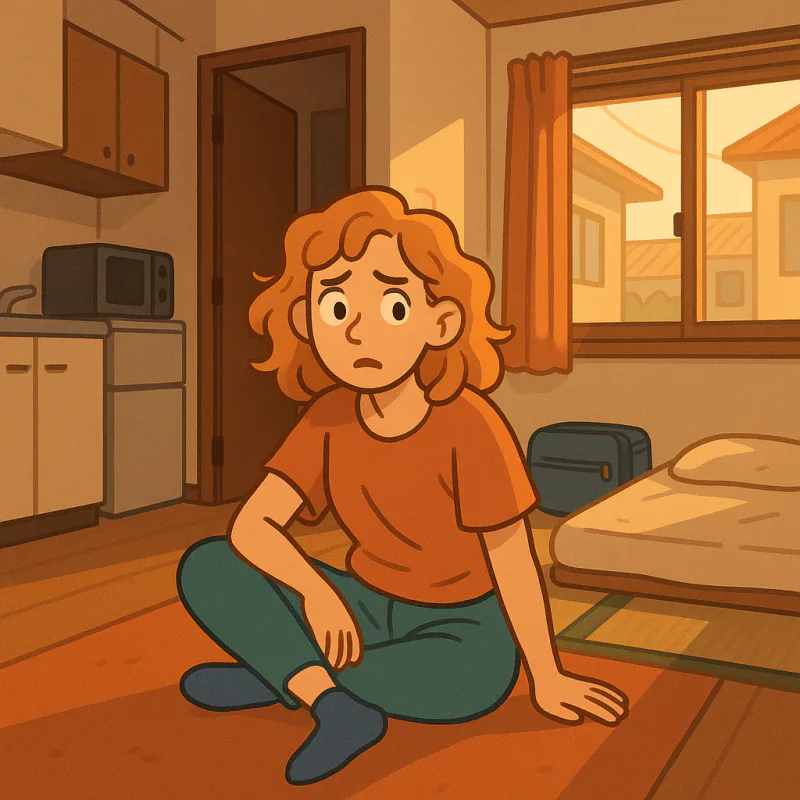
The thing nobody warns you about with apartment life in Japan is not the apartments. The buildings are mostly fine. The walls are thin and the appliances are odd but you adjust. What you do not adjust to is the slow buildup of small, ambiguous events that you cannot interpret on your own.
A bag of trash by your door could be a neighbor who confused units. It could be a passive-aggressive message. It could be a kid playing a prank. In your home country you would know which one it was, because you would know the building, the neighborhood, the cultural script. In Japan, for the first few years, you do not. Every small thing comes in three flavors and you cannot tell which is which.
This is fine when nothing weird is happening. The problem is that weird things eventually happen to everyone in any apartment building anywhere. The difference is that at home you call your sister or your old roommate and say "is this normal" and they say "no, that is your landlord being a jerk" and the situation has a shape. In Japan, alone, the situation never gets a shape. It just sits there.
The version of moving to Japan that exists in your head before you arrive is the version where you have problems and you solve them. The version that actually happens is one where you have problems and you cannot tell whether they are problems.
Your landlord stops responding to messages. Is that ghosting or normal Japanese turnaround time? Your neighbor avoids eye contact in the hallway. Is that hostility or basic apartment etiquette? Someone moves out of the unit above and the new tenant has very specific habits at 3am. Is that bad luck or are you the only one who notices because you are the only one without a Japanese partner to mediate?
A friend with a Japanese spouse does not have this problem in the same way. Their partner picks up the phone, makes the awkward call to the kanrinin, decodes the half-apology that comes back. The situation gets a shape within an hour. A foreigner living alone in the same building, three doors down, watches the exact same thing happen and never finds out whether it was resolved, ignored, or somehow their fault.
The isolation is not loud. It is slow.
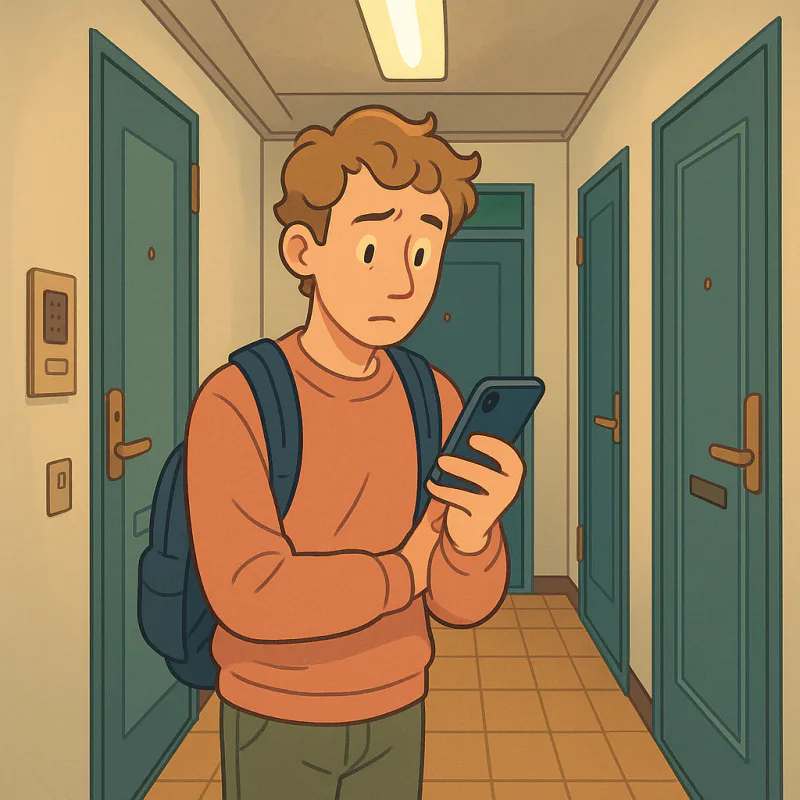
Most foreigners arriving in Japan think a Japanese friend is for language practice. The language practice is real but it is a small part of what the friendship actually does once you are settled.
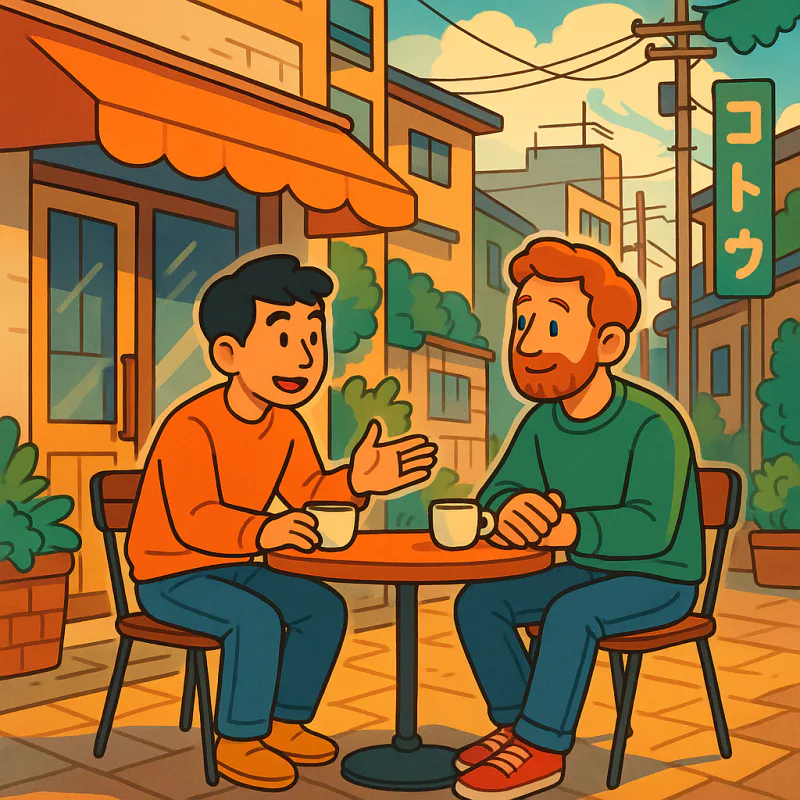
The bigger function shows up the first time something ambiguous happens. The trash at the door. The downstairs neighbor leaving a passive-aggressive note. The mail carrier who keeps misdelivering. You describe it to your friend and they say "oh, that is a kanrinin thing, just call them" or "that is weirdly hostile actually, do you want me to go with you" or "honestly that is nothing, it happens to everyone in old buildings." Whichever one they say, the situation now has a shape, and you can act on it.
The version of you that has two or three Japanese friends in your city is a fundamentally different version than the one who does not. Not because of the Japanese, but because of the interpretive bandwidth. You stop sitting on the floor wondering if you are being targeted. You make a call, or you do not, and you sleep that night. The next weird thing happens and you do not spiral on it for a week.
The expat communities online try to do this work and they sort of can. The problem is that they are populated by other foreigners who also do not know whether the trash bag was a prank or a threat. You get four opinions and three of them are projections. What you actually needed was one person who lives where you live and has seen this exact thing before.
Local context is not optional.
If you are a year or two into Japan and the small ambiguous things are starting to pile up, the warning sign is not that Japan is being unkind to you. Japan is mostly being indifferent, which it is to everyone. The warning sign is that you are still trying to interpret it alone.
The version where you tough it out and learn the unwritten rules by yourself does work eventually. It takes about five years. The version where you make two local friends and ask them stupid questions over coffee works in about five weeks. There is no prize for the slower path. Nobody at year five will think you are more authentic for having spent the previous four sitting on the floor of your apartment wondering if your neighbor was leaving you rotting vegetables on purpose.
You do not need a language partner. You do not need a Japanese boyfriend. You need two or three people in your actual city who will pick up the phone when something weird happens and tell you whether it is weird. That is the entire infrastructure most foreigners are missing, and it is the reason the apartment stuff escalates from "minor annoyance" to "I am losing my mind" so quickly when you live alone.
Find the people before you need them.
Make Japanese Friends On a Live World Map
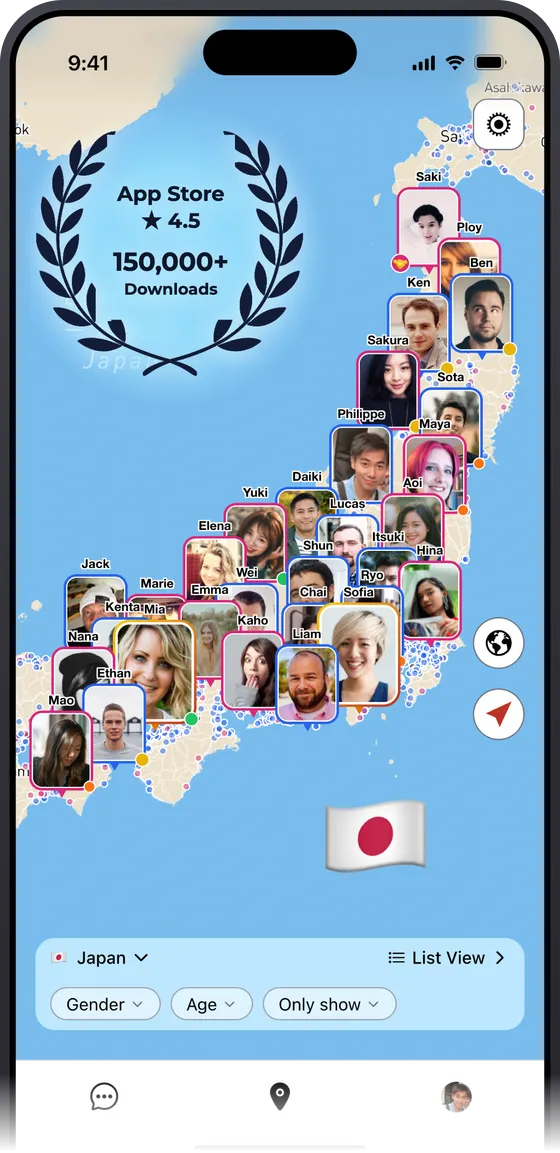
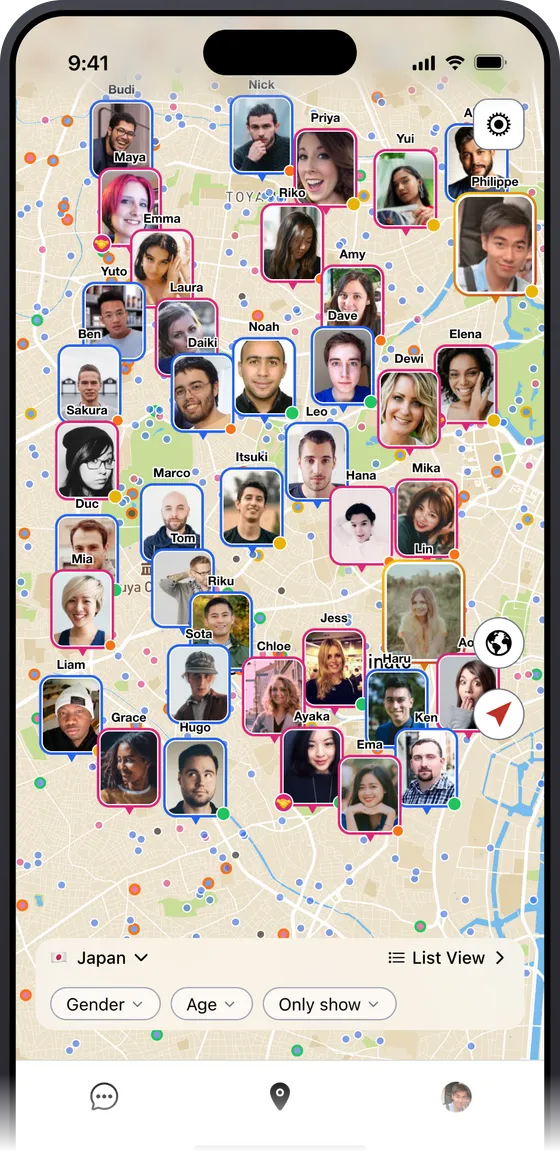
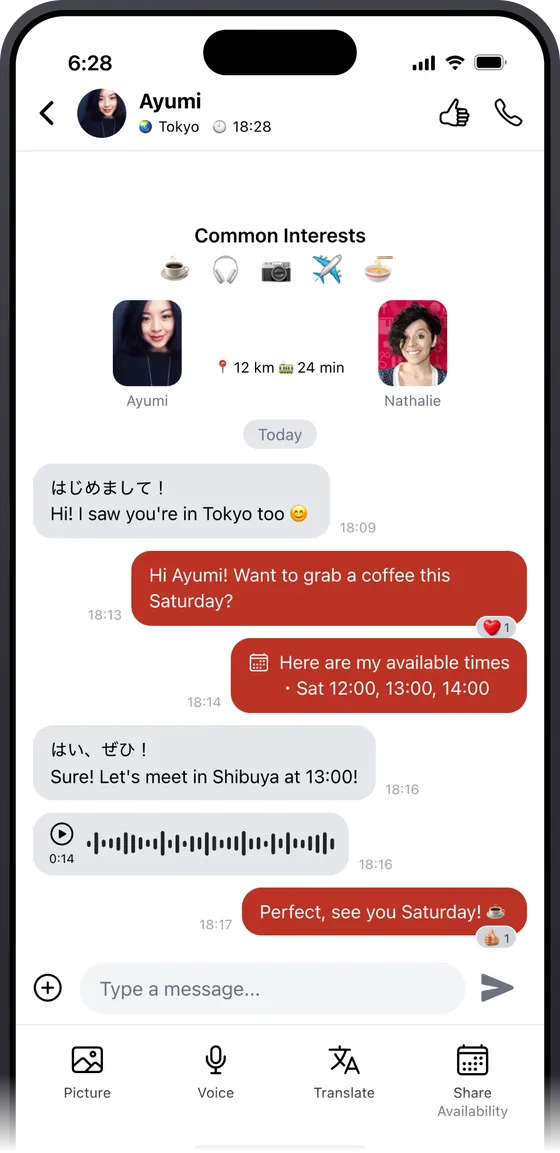


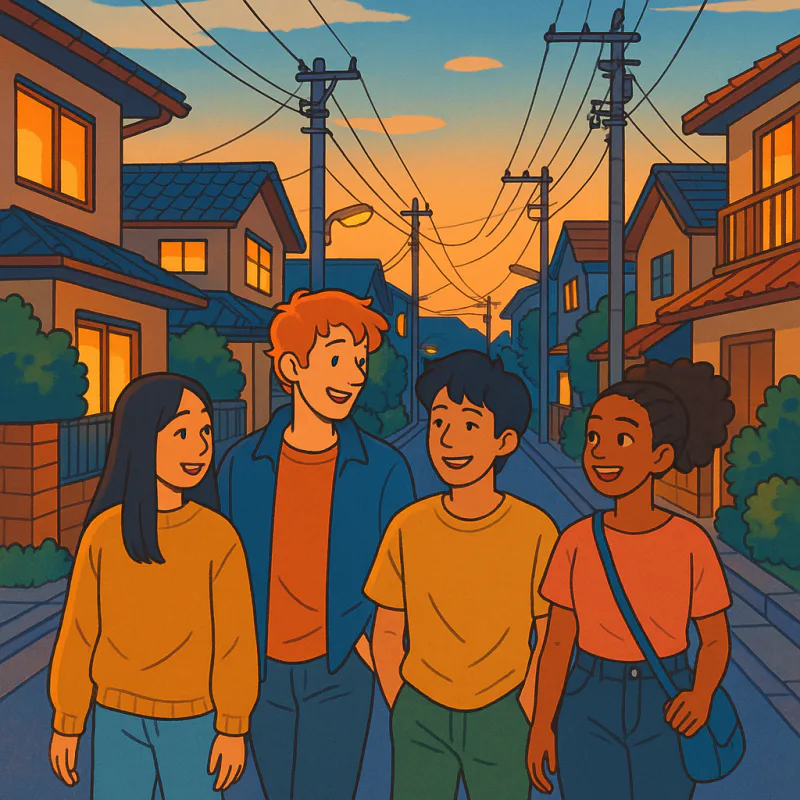
SewaYou is a map-based app for finding people near you in Japan who are open to meeting in person. Locals who want a foreign friend, foreigners who want a local one, both opting in upfront. Not a chat app, not a dating app, not another forum full of strangers projecting from a different prefecture. A person in your actual neighborhood who can be the one you call the next time something weird happens at your door. Build the network before the trash bag shows up, not after.


